
Last updated September 25, 2026
Free written scope consultation - allowances, timeline, and change-order rules on paper before a single trade is scheduled
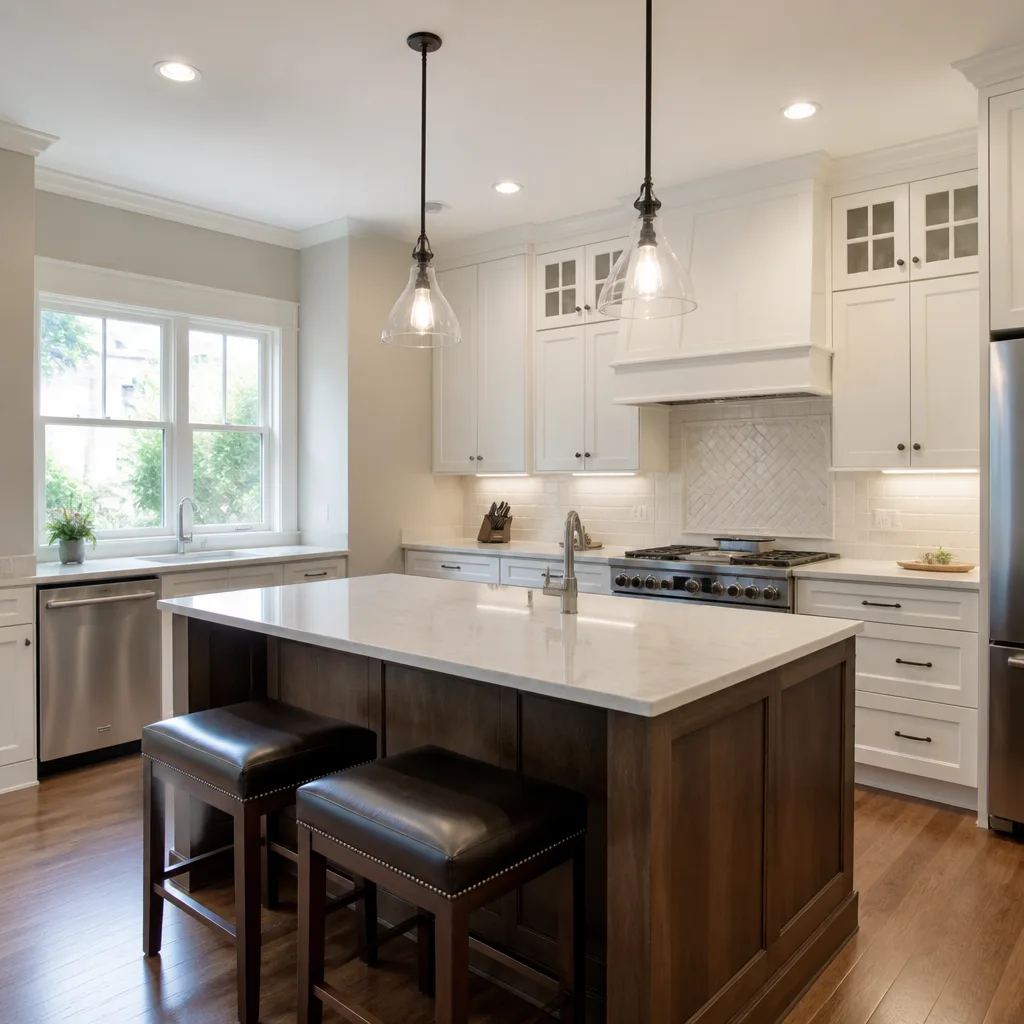
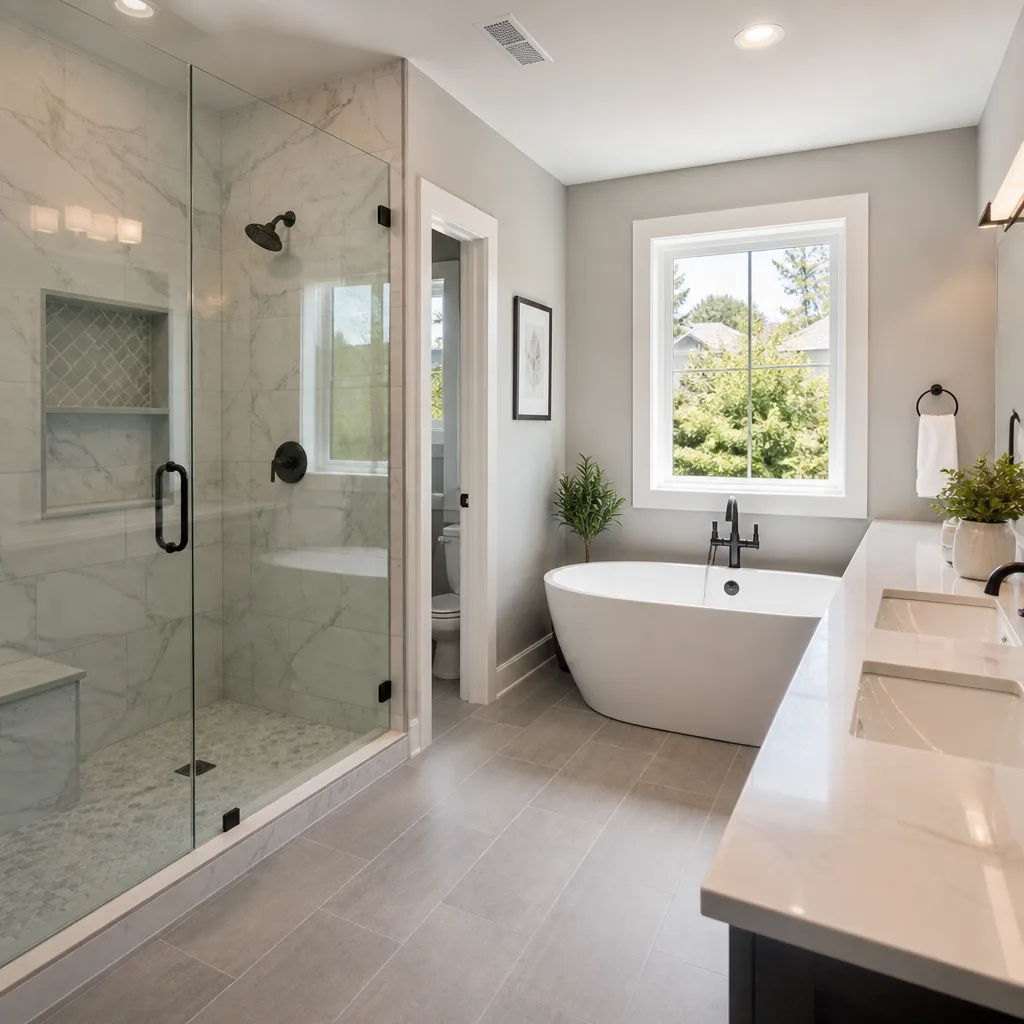
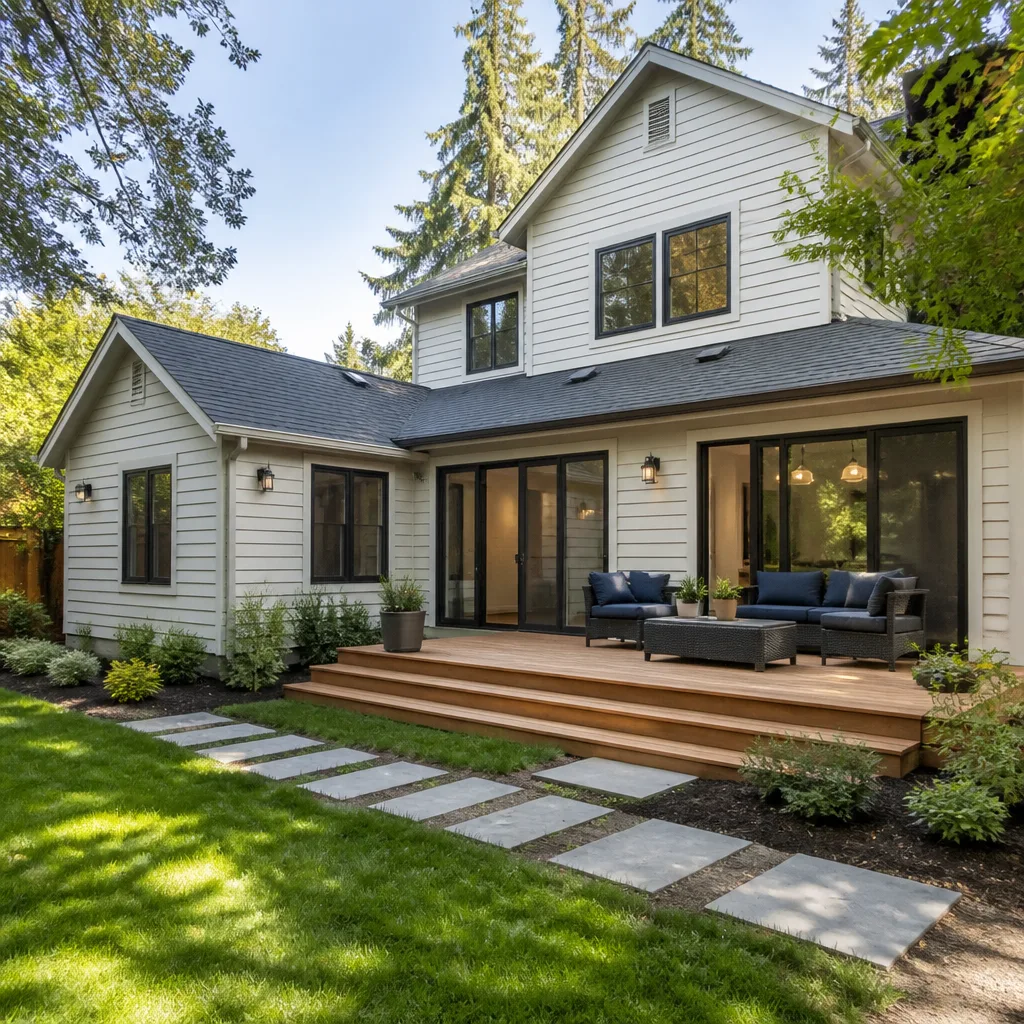
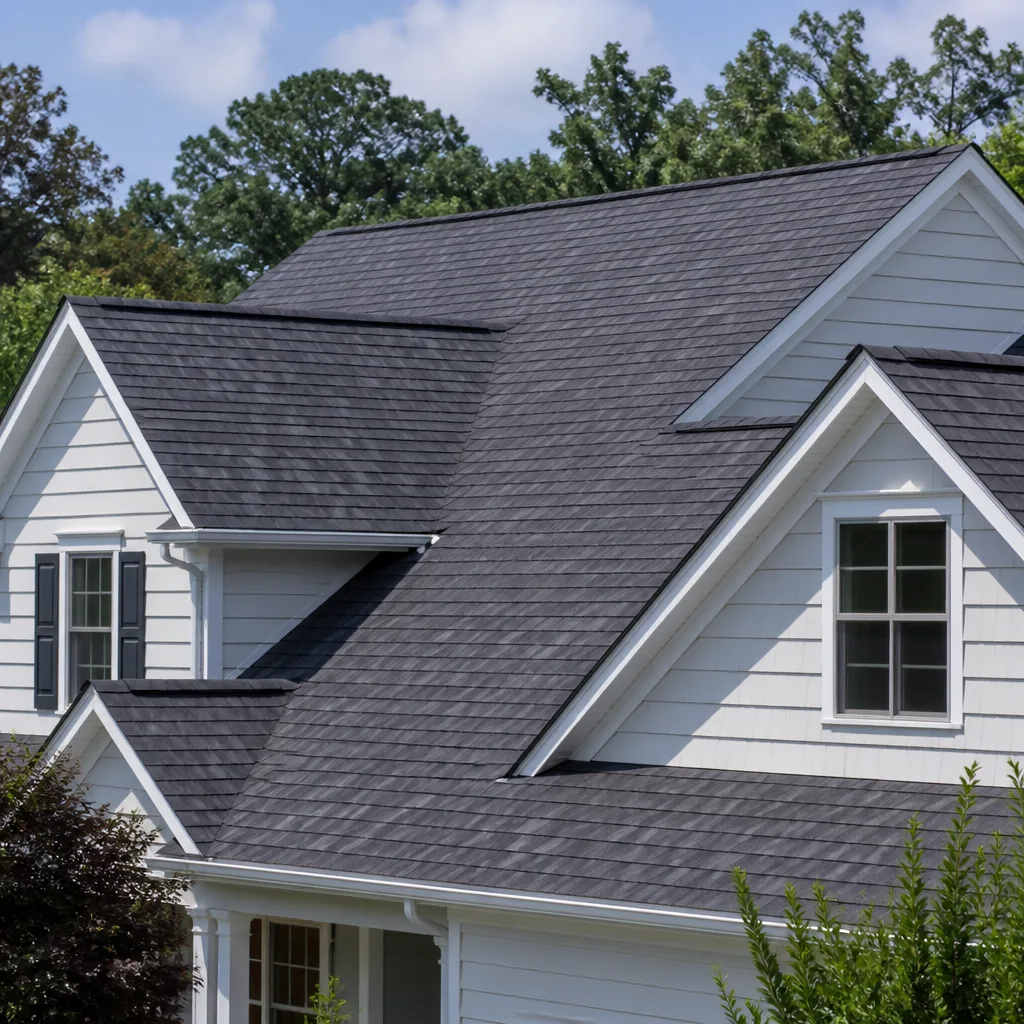
 Before
 After
After Before
 After
After Before
 After
AfterConstruction Permits, Codes & Inspections in FL: What You Need to Know
Unpermitted work in Florida can void a homeowner’s insurance claim after a storm event, trigger a stop-work order during a future remodel, and appear as a material defect on a title report - reducing resale value by more than the cost of the original permit in every case where it surfaces. In Boca Raton, where the median home sale price sits above $600,000 and buyers routinely order permit history reports, the documentation gap from a $400 skipped permit can cost $15,000-$30,000 in renegotiated sale terms. This guide explains what Florida’s permit system actually does for homeowners, how the 7th Edition Building Code changes affect residential remodeling, and why the paperwork chain matters more after a hurricane than before one. For more guides & resources on navigating South Florida construction, see our blog.
Quick Answer
Florida requires building permits for most structural, electrical, plumbing, and mechanical work on residential properties. The permit creates a documented inspection trail that verifies code compliance, protects insurance coverage, and establishes a legal record for future sales. In Boca Raton, residential permits are issued through the city’s online portal with review timelines ranging from 3 business days for simple roofing permits to 4-6 weeks for home additions involving structural engineering.
Table of Contents
- Florida Building Code 7th Edition: What Changed and What It Means for Remodeling
- The Boca Raton Permit Process: Documents, Timelines, and Portal Navigation
- Inspection Stages by Trade: What Inspectors Actually Check
- Unpermitted Work: Disclosure Risks, Retroactive Permits, and Demolition Exposure
- Florida Product Approval: Why Your Window Model Number Matters
- How Permits Protect Your Insurance Claim After a Storm
- Permit Costs and Timeline Ranges in Palm Beach County
 Before
 After
AfterFlorida Building Code 7th Edition: What Changed and What It Means for Remodeling
The Florida Building Code 7th Edition (2020) took effect statewide on December 31, 2020, replacing the 6th Edition. For homeowners in Boca Raton planning kitchen remodeling, bathroom remodeling, roofing, or home additions, several changes directly affect project scope and cost.
Wind load requirements increased in High-Velocity Hurricane Zones. Palm Beach County falls within the 170 mph design wind speed contour. The 7th Edition refined pressure calculations for roof assemblies, which means a reroof project that passed under the 6th Edition may now require upgraded fastening patterns or decking thickness. We’ve seen this on older homes in Boca Raton’s older neighborhoods near the Intracoastal, where 3/8-inch plywood decking no longer satisfies the nailing schedule for asphalt shingle replacement. The fix is typically upgrading to 7/16-inch OSB or plywood, adding $800-$1,400 to a standard reroof.
Energy conservation standards tightened. The 7th Edition adopted more stringent requirements for duct leakage testing and insulation R-values. For a whole-house window replacement in Boca Raton, this means the U-factor and Solar Heat Gain Coefficient (SHGC) ratings on your window specification sheet must meet or exceed the code minimums for your climate zone. South Florida is Climate Zone 1, the hottest category. A window with a 0.30 U-factor works in Orlando; in Boca Raton, you may need 0.27 or better depending on the glazing orientation.
Flood-resistant construction requirements expanded. The 7th Edition incorporated updated FEMA flood maps and added requirements for wet floodproofing of below-grade spaces. In Boca Raton’s flood-prone areas - particularly near Lake Boca Raton and the El Rio Canal - this affects home additions and ADUs (Accessory Dwelling Units) more than interior remodeling. An ADU slab elevation now requires documented survey data showing compliance with Base Flood Elevation plus freeboard, not just the contractor’s field measurement.
Product approval documentation tightened. Under the 7th Edition, Florida Product Approval numbers must be current and match the specific product variant installed. A window with a PA number for white vinyl framing cannot be substituted for beige without a code modification or updated PA documentation. This sounds minor until a final inspection fails because the installed colorway lacks approval.
Three practical impacts for Boca Raton homeowners:
- Material substitutions during construction now carry higher documentation risk. Under Clause 1 of the Haven Standard, Rowan Construction Group specifies the exact brand and model in the written quote - KraftMaid cabinet line, GAF shingle color, Kohler fixture model - so the permit application matches the delivered product.
- Project timelines lengthened for trades requiring engineered plans. A home addition in Boca Raton now typically requires 4-6 weeks for plan review versus 2-3 weeks under the 6th Edition, as structural calculations receive closer scrutiny for wind uplift compliance.
- Existing homes with unpermitted improvements from the 2004-2010 construction boom face steeper retrofit requirements. We’ve reviewed properties in Boca Raton’s Country Club Village where enclosed patios lacked proper footings; bringing them to 7th Edition standards required engineered slab analysis at $2,800-$4,500 before permit issuance.
The Boca Raton Permit Process: Documents, Timelines, and Portal Navigation
Boca Raton’s Development Services Department issues permits through the Rowan Construction Group Boca Raton home adjacent online permitting system, which requires registration as either a homeowner or licensed contractor. Homeowners can pull their own permits for work they perform themselves; contractor-performed work requires the licensed contractor to pull the permit in their name. This distinction matters for liability - a homeowner-pulled permit places inspection responsibility on the homeowner, not the contractor.
Required documents by project type:
- Roofing replacement: Roofing contractor license, proof of worker’s compensation, manufacturer specification sheet with Florida Product Approval number, wind mitigation form if seeking insurance credits, and a site plan showing roof dimensions. Typical review: 3-5 business days.
- Kitchen or bathroom remodeling (no structural changes): Floor plan showing fixture locations, electrical and plumbing fixture schedules, and contractor license. If the project moves a load-bearing wall, add structural engineering. Typical review: 5-10 business days.
- Window/door replacement (same size): Product approval documentation for each manufacturer and model, installation detail drawing, and energy compliance form. Typical review: 3-5 business days.
- Window/door replacement (enlarging openings): All of the above plus structural engineering for header sizing and wind pressure calculations. Typical review: 10-15 business days.
- Home addition or ADU: Survey, site plan, architectural plans, structural engineering, MEP (mechanical, electrical, plumbing) plans, energy compliance documentation, and tree preservation plan if applicable. Typical review: 4-6 weeks.
- Fence installation: Site plan showing fence location and height, product specification, and HOA approval letter if required. Typical review: 3-5 business days.
The portal workflow:
- Register for an account at the city’s ePermitting site. Contractors must link their state license number.
- Select the permit type and upload all required documents in PDF format. The system rejects incomplete applications rather than holding them for supplement.
- Pay plan review fees online. For a $25,000 kitchen remodel, this runs approximately $285-$340 in Boca Raton.
- Receive plan review comments or approval via email. Most residential projects receive first-round comments requiring revision; only simple roofing permits routinely pass on first submission.
- Pay permit issuance fees and download the permit card. The card must be posted on-site before work begins.
- Schedule inspections online or by phone as each trade milestone completes.
Commercial projects follow a separate track with longer timelines and additional fire marshal review. For residential work in Boca Raton’s affluent neighborhoods - Royal Palm Yacht & Country Club, The Sanctuary, Old Floresta - the same process applies, though HOA architectural review often runs parallel and can add 2-4 weeks before construction starts. Selecting the right professional matters; our How to Hire a Construction Contractor in Boca Raton: A Step-by-Step Guide walks through vetting credentials and permit track records.
Inspection Stages by Trade: What Inspectors Actually Check
Permits are not single-event documents. Each trade triggers multiple inspection points, and failing one carries costs beyond the re-inspection fee - typically $75-$150 in Boca Raton. The delay pushes subcontractor schedules, which cascodes into material delivery windows and homeowner vacancy plans.
Electrical inspection sequence:
The rough-in electrical inspection occurs after wiring is pulled but before drywall closes the walls. The inspector verifies: wire gauge matches breaker size (12 AWG on 20-amp circuits, 14 AWG on 15-amp), GFCI protection where required (within 6 feet of sinks in bathrooms, all kitchen countertop outlets, exterior outlets), AFCI protection on bedroom circuits, proper box fill calculations, and grounding electrode conductor connection. In Boca Raton’s humid climate, we see frequent failures on exterior outlet weatherproofing - the “while-in-use” bubble cover required by the 7th Edition is often omitted by crews accustomed to drier markets.
The final electrical inspection occurs after devices are installed and energized. The inspector tests: GFCI and AFCI trip functions, proper polarity at outlets, voltage at panel, and labeling accuracy on breaker directory. A common failure point: the breaker directory doesn’t match the actual circuit layout, often because changes made during construction never got documented.
Plumbing inspection sequence:
Rough-in plumbing checks pipe sizing, venting configuration, and pressure testing. The water supply lines must hold 100 psi for 15 minutes without pressure drop. Drain lines get a 10-foot head test or air test depending on local amendment. In Boca Raton, the city requires visible test gauges at inspection - a detail we document in our photo record so the homeowner sees the pass, not just the sticker.
Final plumbing verifies fixture installation, proper venting termination, and water heater safety - temperature-pressure relief valve discharge piping, seismic strapping (less relevant in Florida but still code-required), and combustion air for gas units.
Roofing inspection sequence:
The dry-in or “underlayment” inspection occurs after old roofing is removed, decking is repaired or replaced, and underlayment is installed. The inspector checks: decking thickness and fastening, underlayment type and lap requirements, drip edge installation, and valley flashing. In Palm Beach County’s wind zone, the inspector counts fasteners per shingle in the field and at edges - 6 nails per shingle in the field, 6 at hips and ridges, with specific placement patterns.
The final roofing inspection verifies shingle installation, ridge venting, and flashing details. The inspector also confirms the permit card is posted and the contractor’s information matches the permit holder.
Structural inspection sequence (additions, ADUs, major remodels):
Foundation/footing inspection checks excavation depth, rebar placement, and concrete strength documentation. The slab inspection verifies vapor barrier, insulation, and post-tension cable placement if applicable. Framing inspection examines lumber grades, fastener schedules, header sizing, and hurricane strap connections - critical in Boca Raton where the 170 mph wind speed drives connection requirements that exceed many other markets. Proper site signage also matters for safety and compliance; see our Construction Warning Signs: A Boca Raton Homeowner’s Reference Guide for requirements.
Each failed inspection requires correction and re-inspection. Under the Haven Standard, Rowan Construction Group schedules a pre-inspection walk with our project lead before calling the city - we’ve found this catches 90% of issues that would otherwise fail, protecting the project timeline and the homeowner’s move-in date.
Unpermitted Work: Disclosure Risks, Retroactive Permits, and Demolition Exposure
Florida’s property disclosure form, required in most residential transactions, asks directly: “Are there any additions, structural changes, or alterations made without required permits?” Answering “yes” triggers buyer scrutiny; answering “no” when the answer is yes exposes the seller to fraud claims. In Boca Raton’s competitive market, where cash buyers from Northeast markets order permit history reports as standard due diligence, unpermitted work surfaces more often than sellers expect.
What “unpermitted addition” means in practice:
The square footage lacks legal status. It may be included in the tax assessor’s records (if built visibly enough to trigger reassessment) or excluded (if hidden from view). Either way, it doesn’t count toward official living area in an appraisal. A 400-square-foot unpermitted Florida room added in 2008 might show 2,400 square feet on Zillow but 2,000 in the county records - a $200,000-$300,000 valuation gap at current Boca Raton prices.
Insurance coverage gaps emerge at claim time. If a hurricane damages an unpermitted addition, the carrier may deny the claim for that portion of the structure, arguing the homeowner misrepresented the dwelling’s characteristics. We’ve reviewed claims where carriers offered zero for unpermitted roof replacements, leaving the homeowner with a $35,000 exposure.
Retroactive permitting process and cost range:
The path to legalize unpermitted work depends on what was built and how long ago. A simple sequence:
- Submit an application with “as-built” plans - drawings showing what actually exists, not what should have been built. An architect or engineer must prepare these for structural work.
- Pay permit fees, typically 1.5-2x the original permit cost as a penalty multiplier in Boca Raton.
- Open walls, ceilings, or foundations as required for inspector access. This is where costs escalate unpredictably.
- Pass all inspections as if the work were new.
- Receive certificate of completion or certificate of occupancy.
Cost ranges we’ve encountered in Palm Beach County:
- Unpermitted bathroom remodel with no structural or electrical changes: $500-$1,200. Usually requires opening one wall for plumbing inspection.
- Unpermitted kitchen with moved load-bearing wall: $2,500-$4,500. Requires structural engineering, potential beam verification, and multiple inspection openings.
- Unpermitted room addition or ADU: $3,500-$5,000+ if the structure is sound and accessible. If the foundation lacks proper footings or the roof tie-downs don’t meet current wind codes, the city may require partial demolition and reconstruction - we’ve seen $15,000-$30,000 to bring a 1990s unpermitted addition to 7th Edition compliance.
The worst case: unpermitted work that cannot be brought to code without full demolition. This typically involves setbacks (built too close to property lines), ceiling height below 7.5 feet, or hazardous electrical conditions. In Boca Raton’s older neighborhoods, where 1950s cottages were expanded piecemeal across decades, we’ve advised homeowners that the unpermitted rear bedroom they use as a home office would require $40,000 in reconstruction to legalize - more than its contribution to home value.
Florida Product Approval: Why Your Window Model Number Matters
Florida operates a statewide product approval system through the Florida Product Approval (FPA) database and Miami-Dade County’s NOA (Notice of Acceptance) system for High-Velocity Hurricane Zones. Every building product that affects structural performance or wind resistance must carry approved documentation. For homeowners, this matters most with windows, doors, roofing materials, and exterior wall coverings.
The permit application requires the specific manufacturer, product line, and model number. “Andersen 400 Series” is insufficient; “Andersen 400 Series Tilt-Wash Double-Hung, Product Approval FL13985, Size 3046” is what the inspector compares against the installed unit. Substituting a different size, grid pattern, or glazing option without updating the permit creates a mismatch that fails final inspection.
In window replacement projects in Boca Raton, we see this most often with:
- Impact-rated vs. non-impact substitutions: A homeowner selects impact-rated windows for the front elevation (visible, code-required) and considers standard windows for the rear (shielded by a porch). The permit requires impact-rated throughout if the application specified them; changing mid-project requires a permit revision.
- Color variations: Bronze exterior/white interior carries a different PA number than white/white. The inspector checks.
- Installation method changes: Fin-mounted versus block-frame installation affects the wind pressure rating. The PA number covers a specific installation detail; deviation invalidates approval.
For roofing, the shingle color, weight class, and fastening pattern must match the PA documentation. GAF Timberline HDZ in Charcoal with standard installation is FL1682-R2; the same shingle in Barkwood with high-wind fastening is a different approval entry. Owens Corning Duration in Estate Gray carries FL15783. The permit application names one; the delivery ticket and installed bundles must match.
Under the Haven Standard, Rowan Construction Group specifies the exact PA number in our written quote and confirms the manufacturer’s current approval status before ordering. We’ve declined projects where a homeowner requested a specific window brand we couldn’t verify as currently approved - the permit risk outweighs any aesthetic preference.
How Permits Protect Your Insurance Claim After a Storm
Florida’s insurance market is under severe stress. Citizens Property Insurance, the state-backed insurer of last resort, now covers more than 1.2 million policies. Private carriers have retreated from South Florida or imposed stricter underwriting. In this environment, permit documentation has shifted from bureaucratic checkbox to claims ammunition.
After Hurricane Irma in 2017 and Hurricane Ian in 2022, we reviewed dozens of claims disputes in Boca Raton and Palm Beach County. The pattern is consistent: carriers investigate permit history when claims exceed $50,000. An unpermitted roof replacement becomes a coverage denial vector. The carrier’s position: the homeowner knowingly maintained a non-compliant roof, increasing storm damage risk, and therefore the loss falls outside policy terms.
Permitted work creates the opposite record. A roof permit with passed inspections demonstrates:
- The decking met code thickness at installation
- The underlayment was properly lapped and fastened
- The shingles were installed to manufacturer specification with proper nail count and placement
- The flashing details were inspector-verified
When a carrier disputes whether wind uplift caused shingle loss or defective installation, the inspection record becomes evidence. We’ve assisted homeowners in Boca Raton’s beachside neighborhoods where carriers initially denied $80,000+ roof claims; the permitted installation record, combined with our documented photo record from the original project, reversed the denial.
The same logic applies to roofing in Boca Raton for wind mitigation discounts. Florida insurers offer premium reductions for documented wind-resistant features - roof-to-wall attachments, secondary water resistance, impact-rated openings. These discounts require permit-backed verification. An unpermitted roof upgrade, even with excellent materials, cannot qualify for the discount because no inspector verified the installation.
Permit Costs and Timeline Ranges in Palm Beach County
Permit costs in Florida combine plan review fees, permit issuance fees, and inspection fees. Cities set their own fee schedules within state guidelines, so Boca Raton differs slightly from West Palm Beach or Delray Beach. The ranges below reflect our experience across Palm Beach County projects since 2007.
| Project Type | Plan Review Fee | Permit Issuance Fee | Inspection Fees | Total Permit Cost | Timeline (Review to Issuance) |
|---|---|---|---|---|---|
| Roofing replacement (single-family) | $180-$250 | $280-$400 | $150-$225 (2 inspections) | $610-$875 | 3-5 business days |
| Window replacement (same size, 10+ units) | $120-$180 | $200-$320 | $100-$150 (1-2 inspections) | $420-$650 | 3-5 business days |
| Kitchen remodel (no structural) | $200-$300 | $350-$500 | $200-$300 (3-4 inspections) | $750-$1,100 | 5-10 business days |
| Bathroom remodel (no structural) | $150-$220 | $280-$400 | $150-$225 (3 inspections) | $580-$845 | 5-10 business days |
| Home addition (500 sq ft) | $800-$1,200 | $1,500-$2,200 | $600-$900 (6-8 inspections) | $2,900-$4,300 | 4-6 weeks |
| ADU (detached, 600 sq ft) | $900-$1,400 | $1,800-$2,600 | $700-$1,000 (8-10 inspections) | $3,400-$5,000 | 4-6 weeks |
| Fence installation (wood, 200 linear ft) | $80-$120 | $150-$220 | $75-$100 (1 inspection) | $305-$440 | 3-5 business days |
These figures exclude engineering costs, which run $1,500-$4,500 for structural plans on additions and $400-$800 for beam sizing on wall-removal remodels. They also exclude impact fees for new square footage, which Boca Raton assesses at approximately $4,500-$7,000 for a 500-square-foot addition.
Timeline acceleration is possible for simple projects with complete initial submissions. The most common delay source: incomplete documentation. A kitchen permit held up because the electrical panel schedule was missing, or a roof permit delayed because the Florida Product Approval number was for a discontinued product variant. Under the Haven Standard, we verify every document against the city’s checklist before submission - the administrative discipline that has kept our projects within a few percent of the agreed timeline across 4,000-plus jobs.
Common Mistakes to Avoid
- Assuming cosmetic work doesn’t need permits. In Boca Raton, replacing kitchen cabinets in the same location is permit-exempt; moving them to create an island requires electrical and plumbing permits for the new services. Homeowners often discover this when the countertop fabricator won’t connect the sink without permit verification.
- Letting a contractor work without a posted permit. The permit card must be visible from the street. Inspectors won’t inspect without it, and the city can issue stop-work orders. We’ve been called to projects where a previous contractor started work, failed to post the permit, and abandoned the job when confronted.
- Accepting “the homeowner pulled it” for contractor work. This transfers liability to you. If the work fails inspection, you’re the responsible party. A legitimate contractor pulls permits in their own name as standard practice.
- Ignoring HOA approval before permit submission. Boca Raton’s deed-restricted communities - Royal Palm, The Oaks, Woodfield Country Club - require architectural review that can take 2-4 weeks. Submitting to the city first creates parallel delays when the HOA rejects the design.
- Buying materials before permit approval. The approved permit specifies exact products. A “great deal” on windows that differ slightly from the permit application becomes uninstalled inventory if the inspector enforces product approval matching.
- Skipping the final inspection. Rough-in inspections are required; final inspections are required. But some homeowners, eager to finish, occupy a space after rough-in and never call for final. This leaves the permit open, which blocks future permits on the property and surfaces on title reports.
- Assuming unpermitted work from previous owners is “grandfathered.” Florida has no universal grandfathering for unpermitted work. Each jurisdiction sets its own policy; Boca Raton generally requires current code compliance for any work brought to their attention, regardless of age.
When to Call a Professional
Permit complexity escalates quickly past the threshold where homeowner self-management is efficient. Consider professional permit management when your project involves structural changes, multiple trades with interdependent inspections, or any work in a flood zone or HOA-governed community. The cost of professional handling - typically 3-5% of project cost for full permit expediting - is recovered through timeline certainty and inspection pass rates.
Rowan Construction Group Boca Raton includes permit acquisition and inspection scheduling in our project management for all seven trades: Kitchen Remodeling in Boca Raton, Bathroom Remodeling in Boca Raton, roofing, windows and doors, fence installation, driveway and pavers, and home additions including ADUs. Every project receives a written price before work starts, a documented photo record on every visit, and the 365-Day Done Right Promise backed by The Haven Standard. For projects already underway with another contractor, we offer a Free Second Opinion on any written estimate - reviewed line by line at no charge.
Call (754) 254-8065 to schedule your free estimate in Boca Raton.
Frequently Asked Questions
Yes. Roofing replacement requires a permit in Boca Raton for all residential properties, including re-roofing over existing shingles and complete tear-offs. The permit triggers two inspections: dry-in (underlayment) and final. Call (754) 254-8065 for an exact quote - estimates are free.
Residential permit costs in Florida range from approximately $300 for a simple fence to $5,000 for a detached ADU, with most kitchen and bathroom remodels falling between $750 and $1,100 in Palm Beach County. The fee combines plan review, permit issuance, and per-inspection charges. Call (754) 254-8065 for an exact quote - estimates are free.
The city can issue a stop-work order, assess fines of $250-$500 per day until compliance, and require demolition if the work cannot be brought to code. Unpermitted work also voids insurance claims for that portion of the structure and must be disclosed on property sale forms. Retroactive permitting costs 1.5-2x the original fee plus opening walls for inspection access.
Simple roofing and window permits typically review in 3-5 business days. Kitchen and bathroom remodels with no structural changes take 5-10 business days. Home additions and ADUs require 4-6 weeks for structural and MEP plan review. Incomplete applications restart the timeline.
Florida allows homeowners to pull permits for work they personally perform. Contractor-performed work must be permitted by the licensed contractor, who becomes responsible for code compliance and inspection passage. A homeowner-pulled permit for contractor work transfers liability to the homeowner and is a red flag for contractor accountability.
Yes, if it was visible enough to trigger tax reassessment or if a permit history report is ordered - standard practice in Boca Raton’s market. Even unpermitted work that escaped notice must be disclosed on Florida’s property disclosure form; nondisclosure exposes the seller to fraud liability and gives buyers grounds for post-sale claims.
The Bottom Line
Florida’s permit system is a documented chain of accountability that protects homeowners through insurance claims, property sales, and storm recovery. The 7th Edition Building Code raised the documentation bar for wind resistance and energy compliance, particularly in Palm Beach County’s High-Velocity Hurricane Zone. In Boca Raton’s transaction-heavy market, permit gaps cost more at resale than the original permit would have cost. The practical discipline is simple: verify your contractor pulls permits in their name, confirm product approvals match installed materials, and keep the inspection record with your property files. The paperwork you file today becomes the evidence you need tomorrow.
Written by Grant Rowan, Owner at Rowan Construction Group Boca Raton, serving Boca Raton since 2007.