
Last updated September 25, 2026
Free written scope consultation - allowances, timeline, and change-order rules on paper before a single trade is scheduled
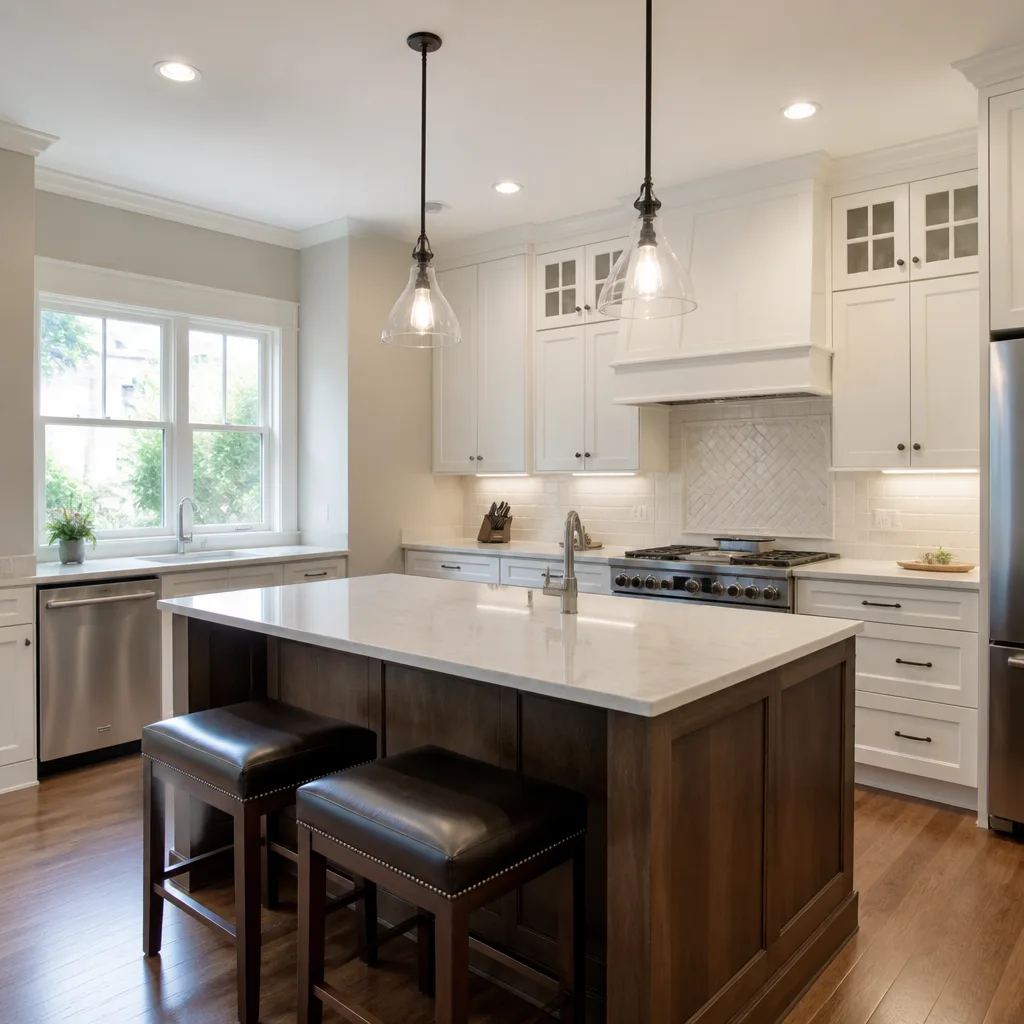
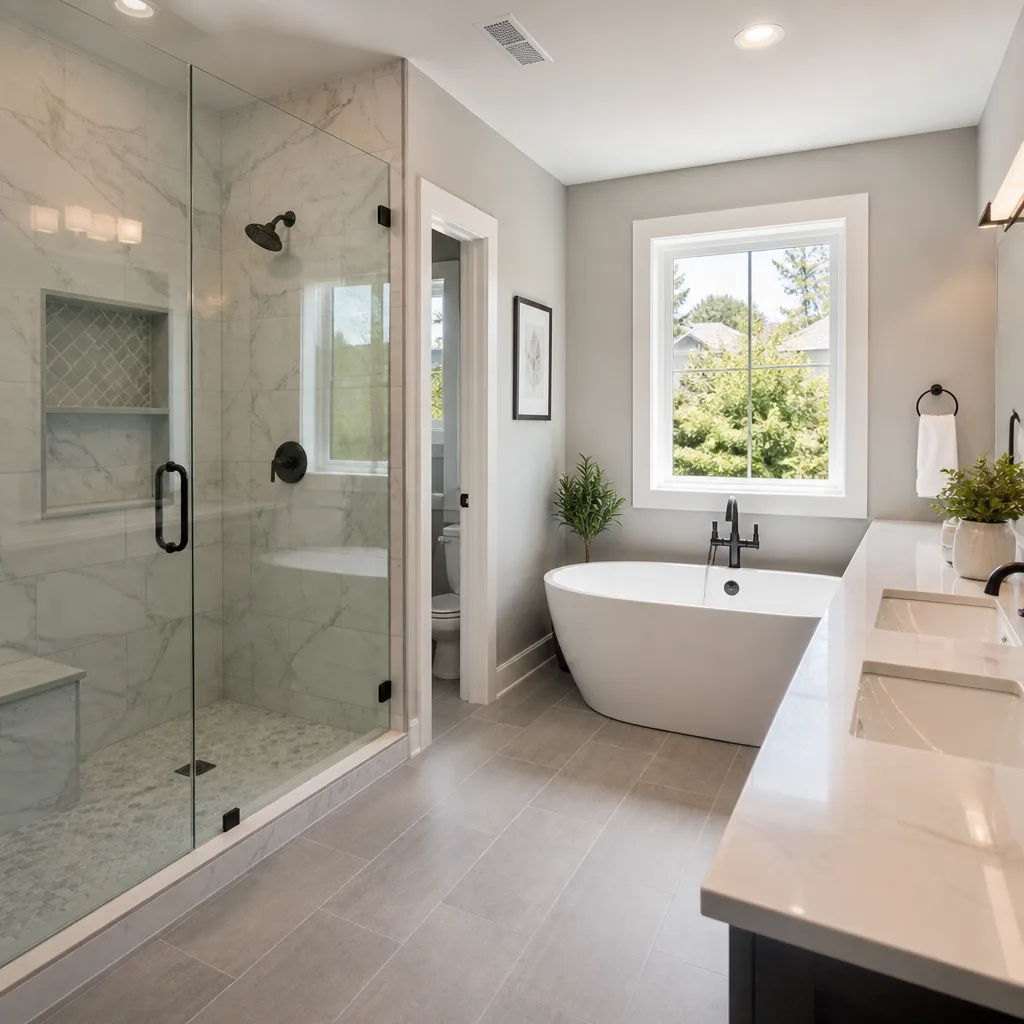
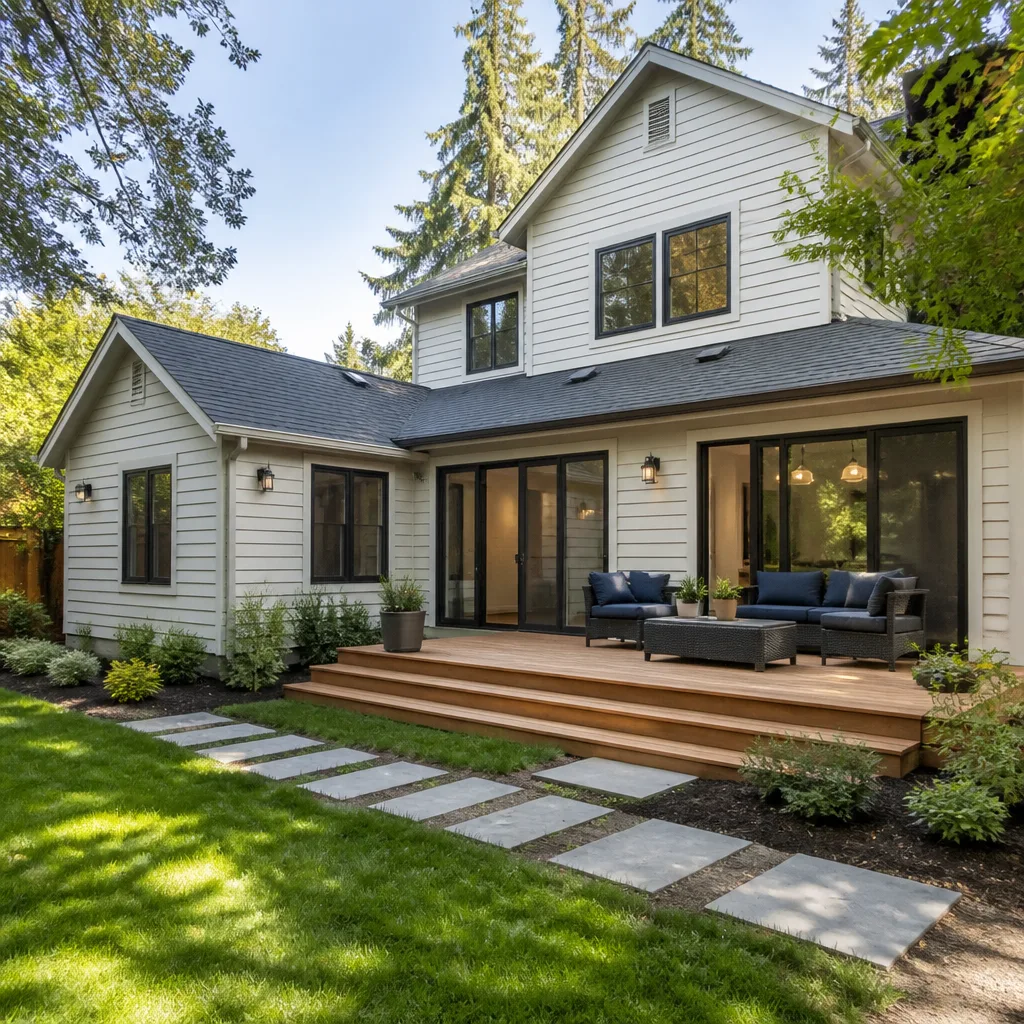
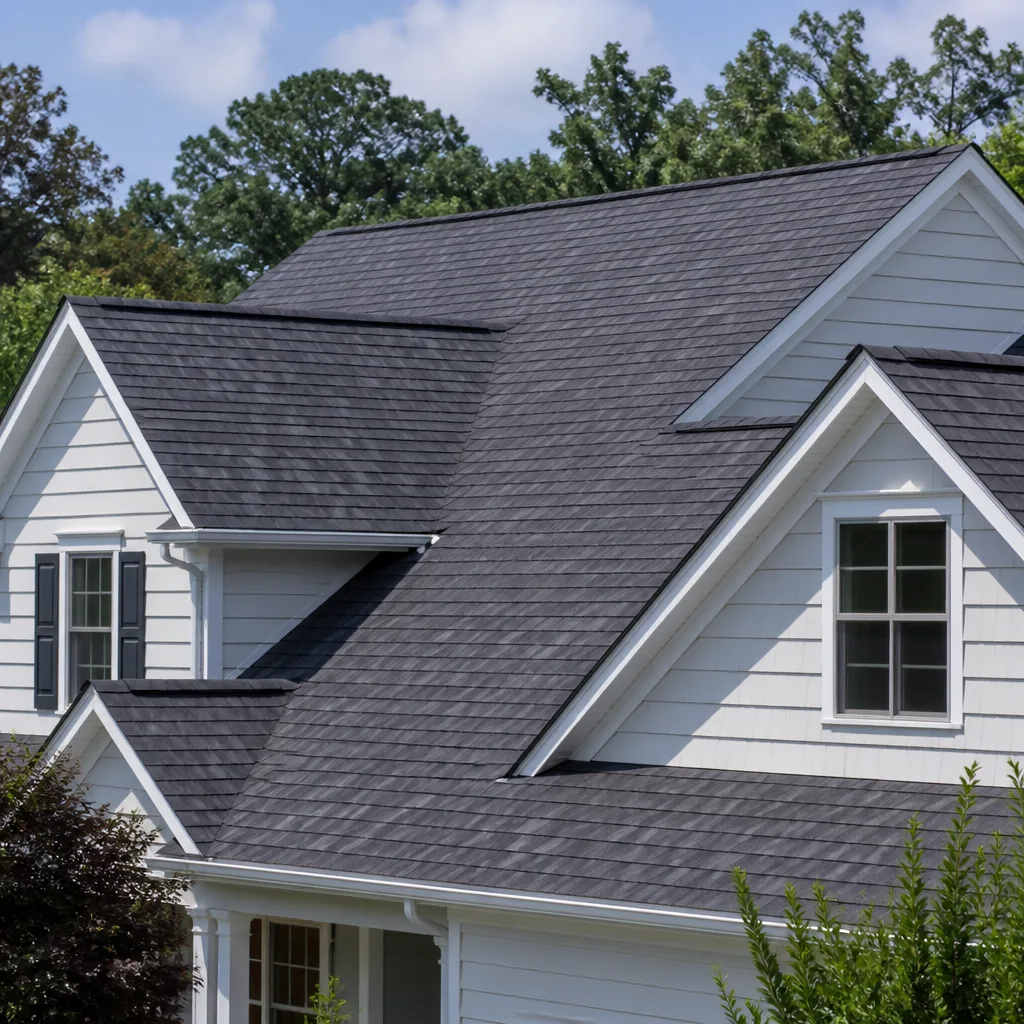
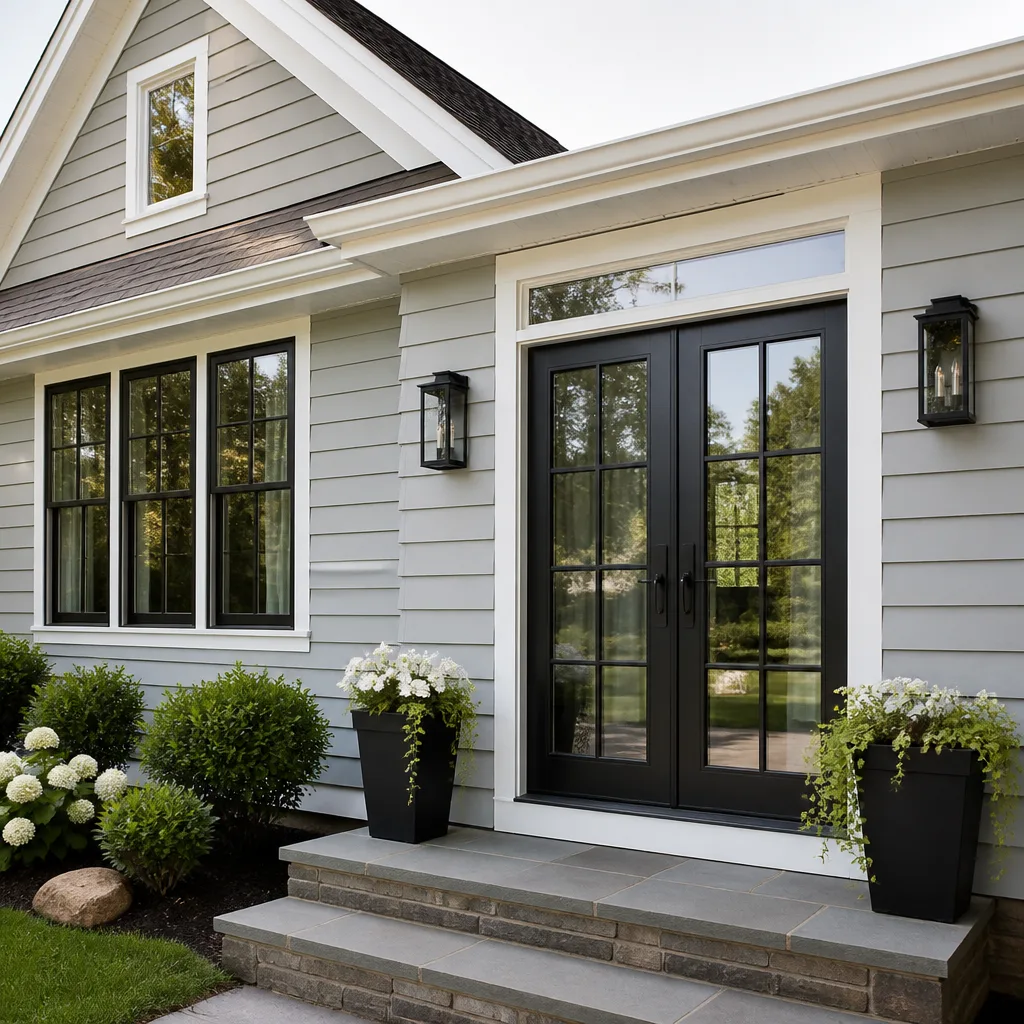
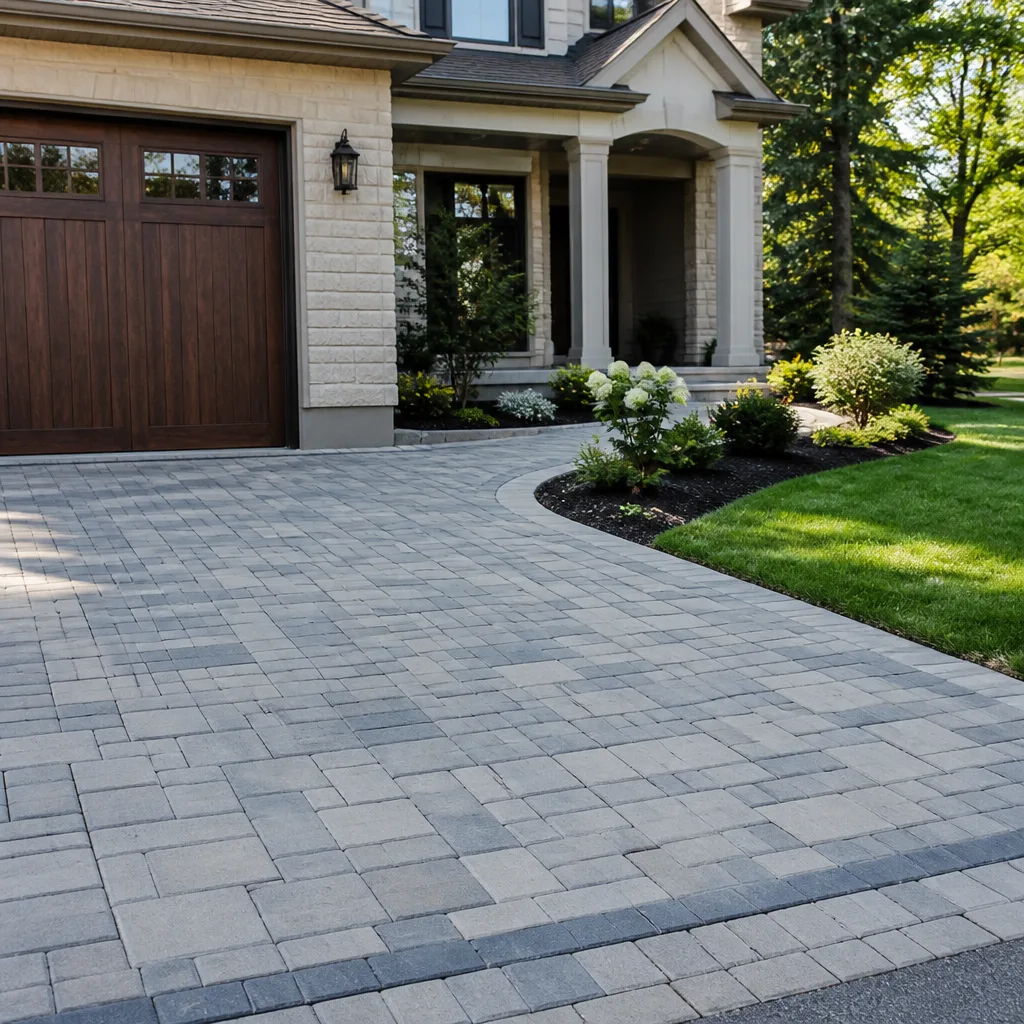
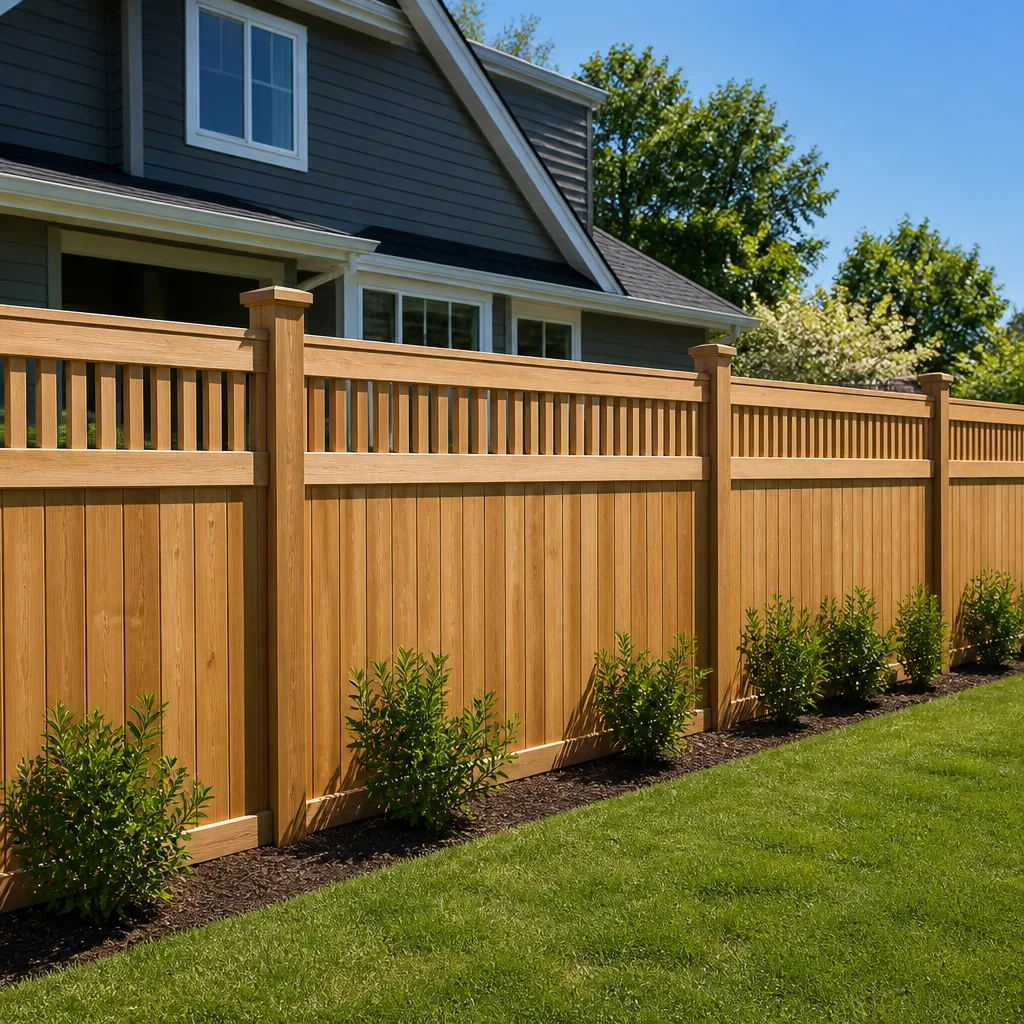
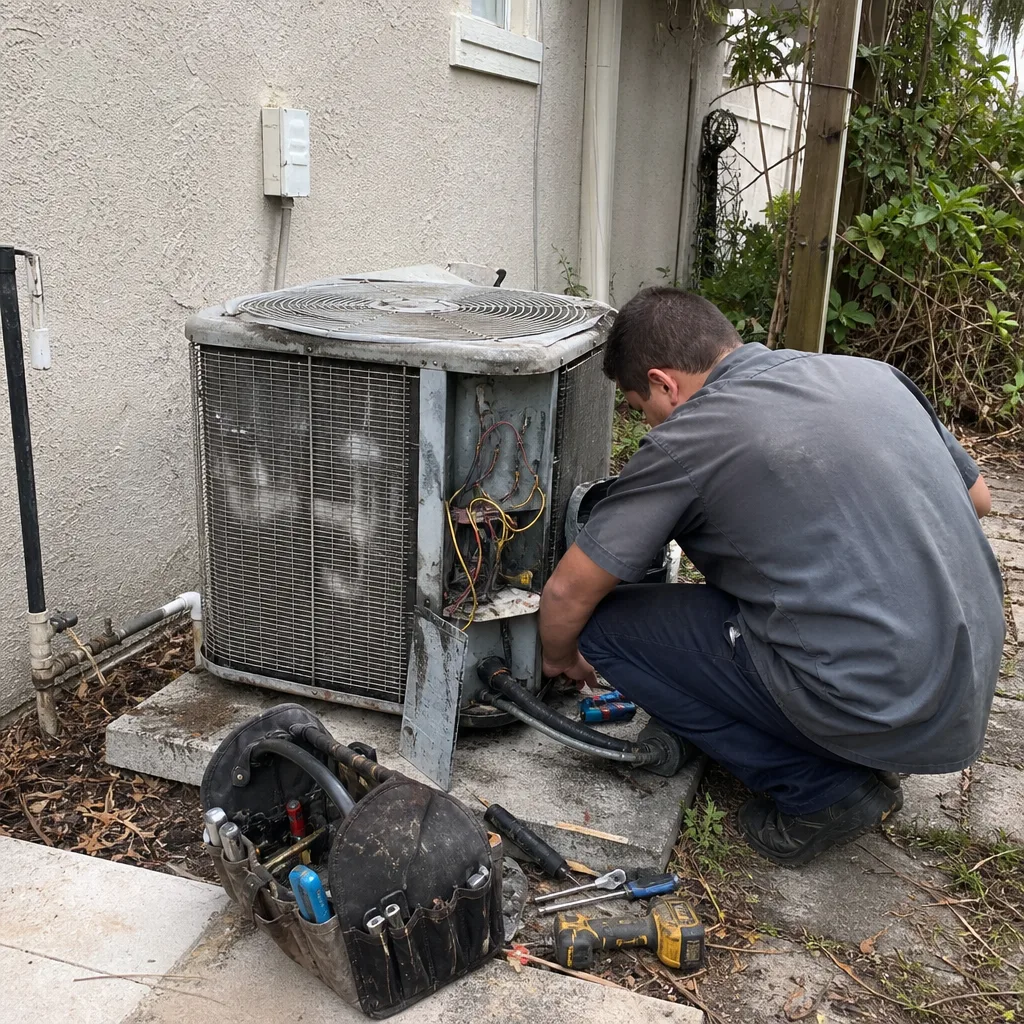 Before
 After
After Before
 After
After Before
 After
AfterConstruction Cost Breakdown: The Boca Raton Homeowner’s Reference for 2026
The same kitchen remodel that costs $42,000 in Atlanta quotes at $67,000 in Boca Raton - not because Florida contractors charge more for labor, but because Miami-Dade and Palm Beach County wind codes require impact-rated products, thicker concrete specifications, and additional inspection stages that don’t appear in national cost estimating databases. In 2026, material tariffs on Canadian lumber and Chinese fasteners have added another 8-12% to framing packages, while the City of Boca Raton’s permit fee structure, calculated as a percentage of total construction value, can add $3,200 to a $200,000 home addition versus a flat-fee system used inland. This guide breaks down what each line item actually costs in Boca Raton this year, why the numbers differ from national averages, and how to read a bid well enough to know whether a 15% contingency hides sloppy planning or protects against leg. For Construction Permits, Codes & Inspections in FL: What You Need to Know, see our dedicated resource.itimate unknowns.
Quick Answer
A typical whole-house construction project in Boca Raton in 2026 runs $185-$340 per square foot depending on finish level, with kitchens averaging $67,000-$145,000, bathrooms $24,000-$58,000, and home additions $210,000-$380,000 for 1,200 square feet. The premium over national averages comes primarily from Florida Building Code wind-load requirements, impact-rated openings, and higher permit fees calculated as a percentage of project value rather than flat rates.
Table of Contents
- Why Boca Raton Construction Costs More Than National Averages
- Line-Item Cost Ranges by Trade in 2026
- The Wind-Code Premium: What Florida Building Code Adds
- Material Tariffs and Price Protection in 2026
- Permit Fees in Boca Raton: How They’re Calculated
- Contingency Decoded: 5% vs. 15% and What It Reveals
- How to Read a Boca Raton Construction Bid Line by Line
- Common Mistakes to Avoid
- When to Call a Professional
- Frequently Asked Questions
 Before
 After
AfterWhy Boca Raton Construction Costs More Than National Averages
Homeowners in Boca Raton who pull national cost data from remodeling websites before calling contractors are usually surprised by local bids. The gap is real, and it is structural, not inflated margin.
Four variables drive Boca Raton construction costs above national medians:
- Labor market compression. South Florida’s construction workforce is stretched across Miami-Dade, Broward, and Palm Beach counties simultaneously. Qualified framers, tile setters, and licensed electricians command $38-$52 per hour in Boca Raton versus $28-$36 in comparable Sun Belt metros. The difference is supply, not greed. We’ve had the same lead carpenter since 2014, and his rate has climbed 34% since 2019 because three other contractors call him weekly.
- Material tariffs in 2026. Softwood lumber from Canada faces a 14.5% tariff, copper and brass fittings from China carry 25% duties, and PVC resin prices have climbed 18% since early 2024. These are not abstract policy debates for a contractor writing a fixed-price quote in February for a June start. Under Clause 1 of the Haven Standard, our price is written before work starts, which means we source from fifty-plus vetted brands, including domestic alternatives where tariffs have distorted pricing, and we name the brand in the quote so the homeowner knows what the number represents.
- Florida Building Code wind provisions. The 2023 FBC, effective through 2026 in Boca Raton, requires design wind speeds of 170 mph in Palm Beach County. This triggers impact-rated windows or shutters, enhanced roof-to-wall connections, and specific concrete masonry unit (CMU) specifications that add 12-18% to structural costs versus frame construction in non-hurricane zones.
- Permit fee structure. Boca Raton calculates building permit fees as a percentage of estimated construction value, with separate fees for plan review, impact fees, and utility connections. A $200,000 addition generates approximately $3,200 in city fees versus a flat $800-$1,200 in many Midwestern municipalities. The fee is legitimate and published, but it is invisible in national cost databases.
These four factors explain why a kitchen remodeling project in Boca Raton typically starts around $67,000 for a 150-square-foot space with mid-grade finishes, while the same scope in a non-coastal market might bid at $45,000-$50,000. The difference is not the contractor’s enthusiasm. It is the specification.
Line-Item Cost Ranges by Trade in 2026
The table below shows 2026 pricing for common trades in Boca Raton, organized by specification tier. These are installed costs including labor, materials, and standard markup, derived from our 4,000-plus projects since 2007 and current vendor quotes from our vetted supplier list. Every project receives a written line-item quote before work starts, with brands named, so the homeowner can compare apples to apples.
| Trade / Component | Economy Tier | Mid-Grade Tier | Premium Tier | What Drives the Spread |
|---|---|---|---|---|
| Framing (per sq ft) | $18-$24 | $26-$34 | $38-$48 | Engineered lumber vs. standard; complexity of roof lines |
| Electical (200A service upgrade) | $3,800-$4,800 | $5,200-$6,400 | $7,500-$9,200 | Panel location, trenching distance, smart-home prewire |
| Plumbing (full rough-in, 2.5 bath) | $8,500-$11,000 | $12,000-$15,500 | $17,000-$22,000 | PEX vs. copper; fixture count; tankless water heater |
| HVAC (3-ton split system) | $6,200-$7,800 | $8,500-$10,500 | $12,000-$15,500 | SEER rating; ductwork replacement; zoning |
| Roofing (per sq, 2,500 sq ft) | $14,500-$18,500 | $20,000-$26,000 | $28,000-$38,000 | Shingle brand (GAF vs. Owens Corning Duration); underlayment; hip vs. gable complexity |
| Flooring (installed, per sq ft) | $4.50-$7.00 | $8.00-$14.00 | $16.00-$32.00 | LVP vs. engineered hardwood vs. porcelain tile; subfloor prep |
| Finish carpentry (trim, doors, casings) | $5,200-$7,500 | $8,500-$12,000 | $15,000-$22,000 | MDF vs. solid poplar vs. mahogany; custom millwork |
| Windows/doors (per opening, installed) | $850-$1,400 | $1,600-$2,400 | $3,200-$5,500 | Impact rating; vinyl vs. aluminum vs. wood-clad; brand (PGT, CGI, Andersen) |
| Concrete/slab (per cubic yard, poured) | $185-$220 | $240-$290 | $320-$400 | 3000 psi vs. 4000 psi; pump truck access; fiber mesh additive |
| Pavers/hardscape (per sq ft, installed) | $12-$16 | $18-$26 | $32-$48 | Belgard vs. Techo-Bloc vs. imported; base prep depth; edge restraint |
These ranges assume normal access, standard working hours, and a documented site condition. A home in Old Floresta with a 1920s foundation requiring helical piers before an addition will sit above every range shown. That is why we photograph every site visit and include the photo record with the written quote, so the homeowner sees what we saw.
For bathroom remodeling in Boca Raton, the mid-grade tier at $12,000-$15,500 for plumbing rough-in typically pairs with Kohler or Toto fixtures, a tiled shower with waterproofing membrane (a liquid-applied or sheet membrane that prevents moisture penetration behind tile), and a GFCI-protected circuit for heated flooring. The premium tier moves to steam shower generators, curbless entries with linear drains, and custom glass enclosures.
The Wind-Code Premium: What Florida Building Code Adds
Every contractor in Boca Raton builds to the same wind code. The question is whether your bid explicitly accounts for it or hides the cost in a vague “code compliance” line item. Here’s what the 2023 Florida Building Code requires in Palm Beach County and what it adds to material and labor costs.
Impact-rated openings. Standard windows in Boca Raton must either be impact-rated (tested to withstand a 9-pound 2×4 missile at 50 feet per second) or protected with rated shutters. Impact windows add $400-$900 per opening over non-impact vinyl. Shutters are cheaper upfront but require annual maintenance and manual deployment. In our experience, homeowners who choose shutters to save $3,000 on a whole-house window package rarely deploy them for a fast-moving afternoon storm. The Haven Standard specifies impact-rated products for all Rowan Construction Group Boca Raton home projects because the documented protection is permanent.
Roof uplift strapping. Hip roofs, common in Boca Raton’s Ranch Colony and Long Lake Estates, perform better under uplift pressure than gable roofs but require continuous metal strapping from rafter to top plate to foundation. This adds 8-12 hours of labor and $600-$1,100 in hardware for a typical 2,500-square-foot home. Gable roofs require additional bracing and are often restricted in new construction by local amendment.
Concrete block vs. frame. The 2023 FBC permits wood-frame construction above flood zones but requires enhanced fastening schedules and often drives builders toward CMU (concrete masonry unit) first-floor construction. CMU adds $14-$22 per square foot of wall area but provides mold resistance and thermal mass that wood frame cannot match in Boca Raton’s humidity. For additions in flood-prone areas near the Intracoastal, CMU to 8 feet above base flood elevation is frequently the only practical path through permitting.
Additional inspection stages. Boca Raton Building Department requires rough electrical, rough plumbing, rough mechanical, insulation, and final inspections for most projects, with re-inspection fees at $150 per visit if corrections are needed. See Construction Warning Signs: A Boca Raton Homeowner’s Reference Guide for red flags that trigger extra inspections. A well-documented project with photo records at each stage rarely fails inspection. We’ve had three re-inspections across our last 400 projects, and each was caused by a subcontractor’s undocumented field change that conflicted with approved plans.
Material Tariffs and Price Protection in 2026
In January 2026, a contractor writing a fixed-price quote for a June start faces a material market that has shifted twice since the quote was signed. Here’s which categories are moving and how we structure protection for the homeowner.
Lumber and engineered wood. Canadian softwood lumber tariffs at 14.5% have pushed framing lumber up 11% year-over-year. Engineered I-joists and LVL beams, often manufactured domestically with Canadian veneer, have risen 8-14%. We source from Boise Cascade and Weyerhaeuser where possible, naming the manufacturer in the quote so the homeowner knows the specification.
Copper and brass. Chinese copper fittings at 25% duty have shifted demand to domestic mills, which are backordered 6-8 weeks. For plumbing rough-in, we quote Uponor PEX as the standard with copper as an upgrade, documenting the pressure rating (typically 160 psi at 73°F for PEX-A) and the 25-year manufacturer warranty.
PVC and CPVC. Resin prices, driven by petroleum feedstock costs and import competition, have climbed 18% since 2024. For drainage and vent systems, we specify Charlotte Pipe domestically produced, with the brand named in the quote.
How fixed-price contracts protect against mid-project shifts. Under Clause 1 of the Haven Standard, our price is written before work starts and does not change unless the scope changes. We achieve this by purchasing long-lead items at contract signing, warehousing them if necessary, and absorbing normal market fluctuation within our supplier agreements. A competitor’s “estimate” that revises upward when lumber spikes is not a fixed price. It is a forecast. The difference matters when you’re borrowing $80,000 for a kitchen and the bank has approved a specific draw schedule.
For homeowners comparing bids, ask: “Which brands are named in this quote, and what happens to the price if tariffs increase before delivery?” A contractor with supplier relationships and warehouse capacity will answer specifically. One who cannot name the brand or the protection mechanism is passing risk to you.
Permit Fees in Boca Raton: How They’re Calculated
The City of Boca Raton uses a valuation-based fee schedule for building permits, which means the permit cost scales with project value rather than being a flat rate. This structure rewards accurate estimating and penalizes vague scope.
Here’s how the math works for common project types in 2026:
- Plan review fee: 25% of the permit fee, assessed upfront and non-refundable if plans are rejected. A complete set with structural calculations, energy compliance (Form R405-2021), and impact window ratings typically passes first review. Incomplete submissions cycle back with $150 re-review fees.
- Building permit fee: $12.50 per $1,000 of estimated construction value, with a $150 minimum. A $50,000 bathroom remodel generates $625 in building permit fees. A $200,000 home addition generates $2,500.
- Impact fees: Road, park, and school impact fees apply to new construction and substantial additions over 50% of existing floor area. For a 1,200-square-foot addition in Boca Raton, combined impact fees run $4,800-$7,200 depending on school district and road classification.
- Utility connection fees: Water meter upsizing for an addition with a second kitchen or bathroom pool house runs $1,800-$3,400. Sewer capacity fees add $800-$1,600.
- Certificate of occupancy: $150 final inspection fee, plus any re-inspections at $150 each.
For a $200,000 home addition with full utility impact, total city fees typically reach $8,500-$11,000. For a $50,000 kitchen remodel with no utility changes, fees run $1,200-$1,800. These are not hidden costs. They are published in the Boca Raton Municipal Code, Chapter 6, Article V, and any contractor who has worked here since 2007 knows them precisely.
The percentage-based structure creates an incentive for contractors to underestimate project value to reduce upfront fees. This is a mistake. If the building official’s field inspection reveals work beyond the permitted scope, the permit must be amended, fees recalculated with penalty, and work stopped until compliance is restored. We permit exactly what we build, with the photo record matching the approved plans at every stage.
Contingency Decoded: 5% vs. 15% and What It Reveals
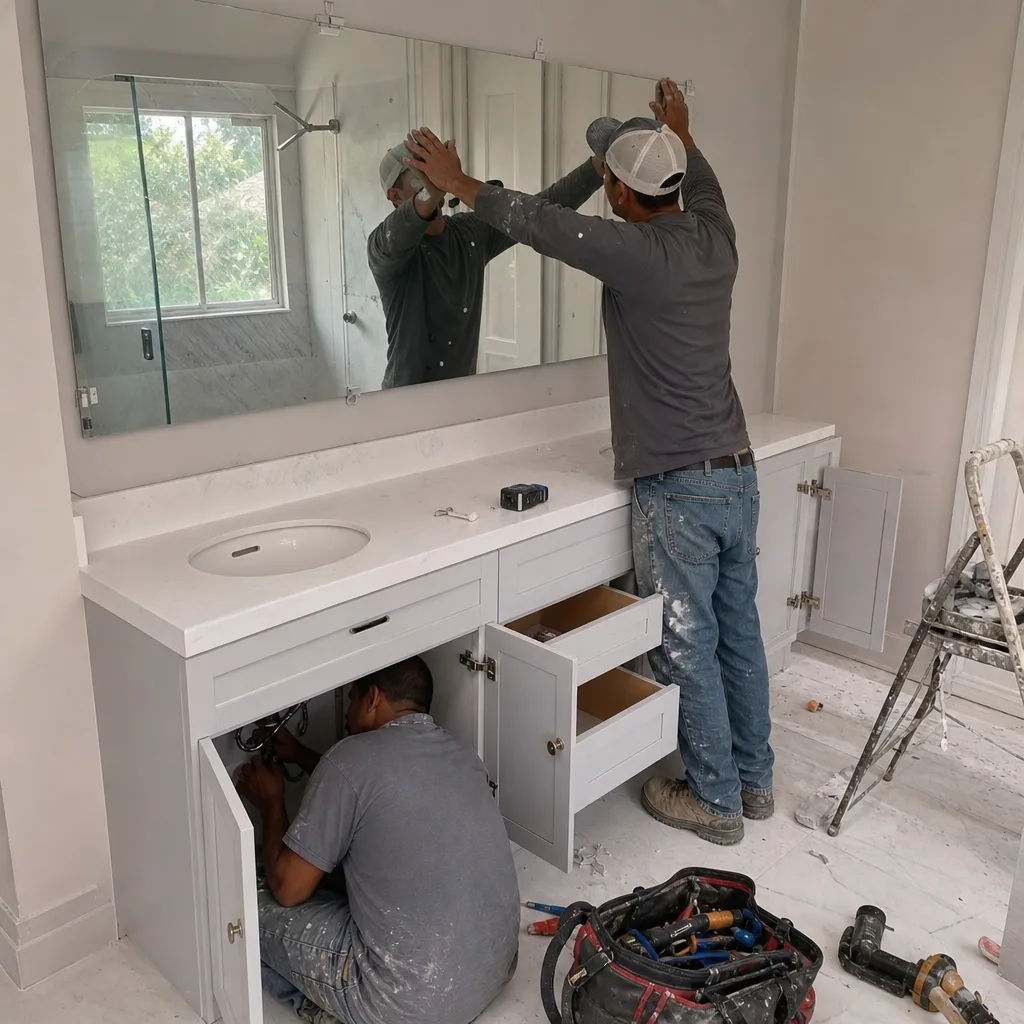
Contingency is not free money. It is a signal about the quality of the pre-construction documentation. Here’s how to read it.
A 5% contingency on a documented scope covers discovered conditions: a rotted subfloor beneath tile, a galvanized pipe hidden in a wall, an ungrounded circuit that must be brought to code. These are real, and they are why we photograph every site visit. With 4,000 projects of documented history, we can predict most conditions before demolition. A 5% contingency on a complete set of plans, a written scope, and a photo record is appropriate and honest.
A 15% contingency often masks incomplete design. The contractor has not specified the cabinet brand, the tile pattern, the grout color, or the exact light fixture model. When the homeowner chooses mid-grade instead of economy, the “contingency” covers the upgrade. This is not contingency. It is a pricing strategy that shifts design risk to the homeowner after the contract is signed.
Three questions reveal which you’re looking at:
- Does the quote name the manufacturer and model for every material? KraftMaid vs. “cabinets to be selected” is the difference between a fixed price and a placeholder.
- Does the scope specify the exact square footage, linear footage, and count of every component? “Approximately 40 linear feet of countertop” invites revision. “38 linear feet of Cambria Brittanicca, including one undermount cutout for Kohler K-20000” does not.
- Is the contingency held by the contractor or the homeowner, and who authorizes its release? Under the Haven Standard, contingency is line-itemed in the quote, requires a signed change order to deploy, and any unused portion credits to the final invoice. No handshake agreements. No verbal approvals.
We’ve finished 94% of our projects within 3% of the original written price since 2007. The 6% that exceeded contingency involved discovered conditions we documented with photos, explained with signed change orders, and resolved without dispute because the process was transparent from the first visit.
How to Read a Boca Raton Construction Bid Line by Line
A construction bid is a contract before it is a contract. Every line item is a promise, and every omission is a risk transferred to the homeowner. Here’s how we structure our quotes and what to look for in any competitor’s bid you bring us for a Rowan Construction Group Boca Raton home Free Second Opinion.
Section 1: Site preparation and protection. Should include dust containment, floor protection, temporary power if needed, and dumpster or debris removal. In Boca Raton’s seasonal rain pattern, this must also specify moisture protection for open walls. A bid that skips this section will add it later as a change order.
Section 2: Demolition and disposal. Should specify what is removed, how it is disposed (Boca Raton requires construction debris to be hauled to approved facilities, not left curbside), and whether asbestos or lead testing is included for pre-1978 homes. Many homes in Boca Raton’s historic districts require this.
Section 3: Structural work. Should name the lumber grade, the concrete psi rating, the fastener schedule, and the engineer’s stamp if required. For impact windows, should specify the design pressure rating (DP-50 minimum in most Boca Raton zones) and the manufacturer’s NOA (Notice of Acceptance) from the Florida Building Commission.
Section 4: Mechanical, electrical, plumbing. Should name the fixture and equipment brands, the pipe and wire specifications, and the permit and inspection responsibility. A bid that says “plumber to provide fixtures” is not a fixed price. It is an invitation to surprise.
Section 5: Finishes. Should specify the exact product, the color or pattern number, the grout or caulk color, and the installation standard (TCNA for tile, NWFA for hardwood). “Tile backsplash” is not a specification. “3×6 subway tile, Daltile Rittenhouse Square in Arctic White, #0100, with Laticrete 1500 sanded grout in #77, installed to TCNA Handbook Method EJ171” is.
Section 6: Warranty and documentation. Should specify the workmanship warranty period, the manufacturer’s warranty registration responsibility, and the documentation delivered at completion. Under the Haven Standard, this includes the photo record, the signed change order file (even if zero), the permit and inspection sign-offs, and the 365-Day Done Right Promise printed on every page.
If a bid lacks any of these sections, ask why. The answer will tell you whether you’re comparing prices or comparing levels of certainty.
Common Mistakes to Avoid
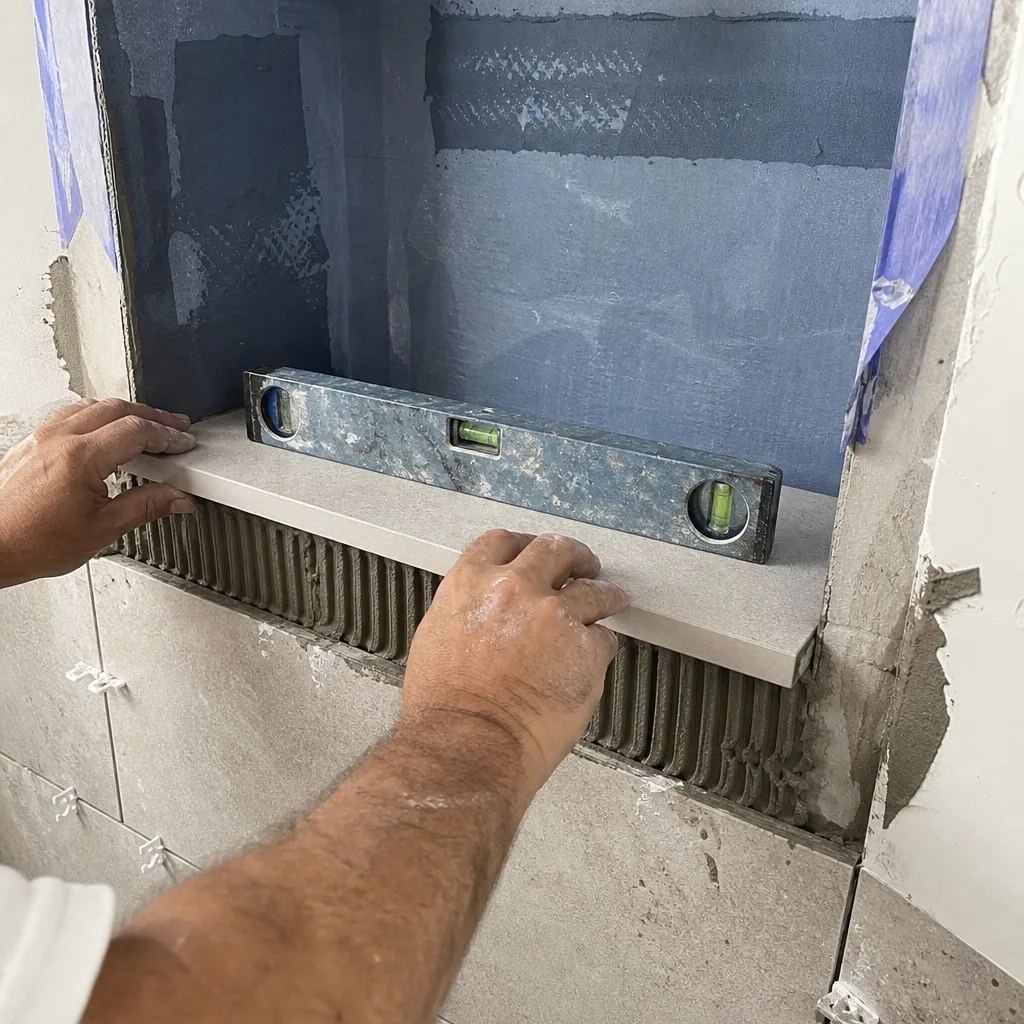
- Comparing Boca Raton bids to national cost websites. The databases don’t capture wind-code requirements, impact-rated products, or percentage-based permit fees. A “national average” kitchen remodel at $45,000 is not the same project as a code-compliant kitchen in Boca Raton at $67,000.
- Accepting a ” allowances” bid without maximums. An open allowance for cabinets or tile invites cost escalation. We specify the allowance with a maximum and a named brand range, so the homeowner knows the ceiling before selection begins.
- Ignoring the permit fee structure. A contractor who underestimates project value to reduce permit fees is setting up a stop-work order. We calculate fees from the actual scope and include them as a line item, not a surprise.
- Choosing economy roofing to save on a home addition. A $14,500 roof with 3-tab shingles in Boca Raton’s wind zone is a future insurance claim. GAF Timberline HDZ or Owens Corning Duration, properly fastened to FBC strapping requirements, cost more and last through the first named storm.
- Skipping the photo record. Any contractor who won’t document conditions before, during, and after work is avoiding accountability. Our photo record is included standard, not optional, and the homeowner receives it at completion.
- Treating contingency as optional. Even with perfect documentation, 5% contingency is prudent for any project involving demolition. The question is who controls it and how it is released, not whether it exists.
- Not verifying the license and insurance. Florida requires a certified general contractor (CGC) or building contractor (CBC) license for residential construction over $1,000. Ask for the license number, verify it at myfloridalicense.com, and confirm active general liability and workers compensation coverage. Our license number appears on every quote, and we provide certificates on request.
When to Call a Professional
Call a licensed contractor when your project involves structural modification, electrical or plumbing relocation, or any work requiring a building permit in Boca Raton - our DIY vs Professional Construction: The Boca Raton Homeowner’s Decision Guide can help you decide. The City requires permits for roofing replacement, window replacement (unless like-for-like non-impact in existing openings), electrical service upgrades, and any addition or alteration affecting egress or structural load path. Unpermitted work must be disclosed on sale, can void insurance coverage, and often costs more to legalize than to permit correctly from the start.
Rowan Construction Group Boca Raton offers free estimates in Boca Raton - call (754) 254-8065. Every estimate includes a written line-item price, a photo record of existing conditions, and a review of permit requirements specific to your property. We also offer a Free Second Opinion on any written estimate from another contractor, reviewed line by line with no obligation.
Frequently Asked Questions
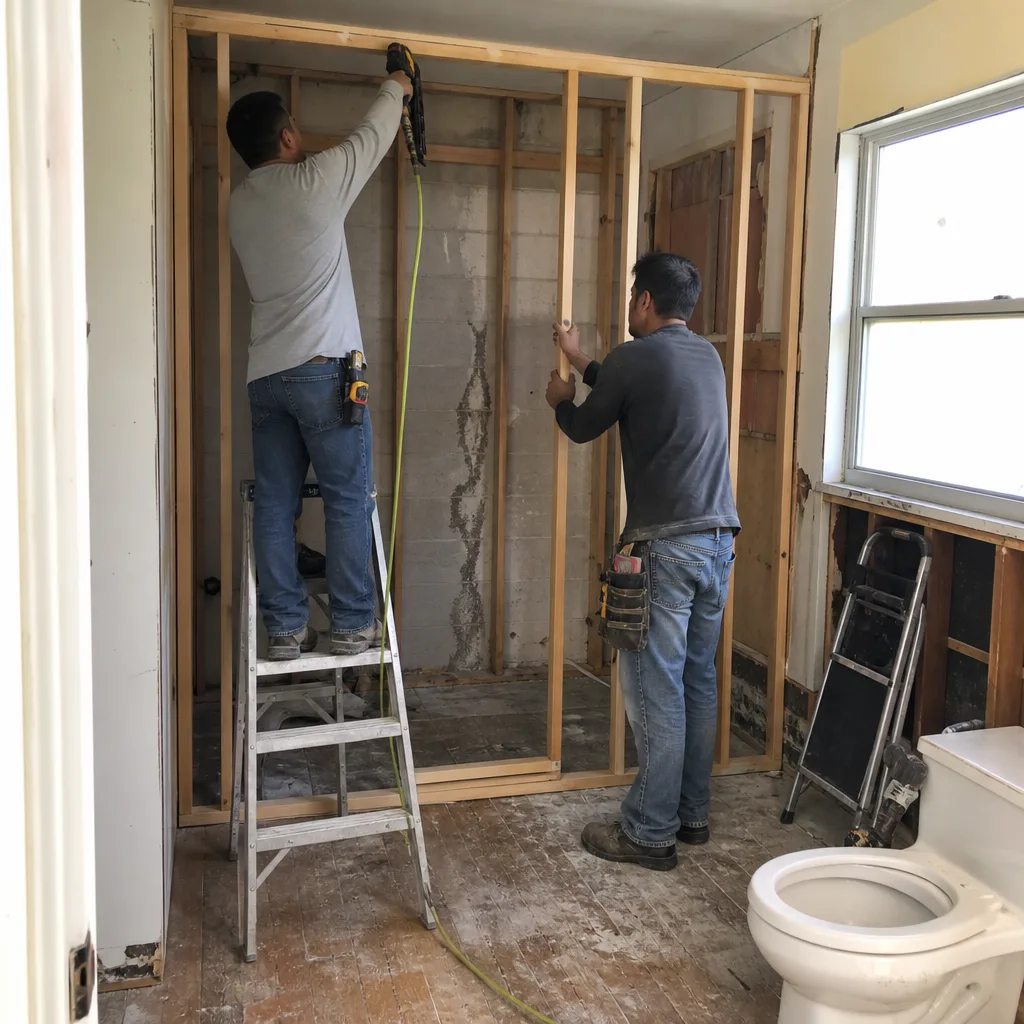
A kitchen remodel in Boca Raton in 2026 typically costs $67,000-$145,000 depending on size and specification, with the mid-range at $85,000-$110,000 for a 150-square-foot space with semi-custom cabinets, quartz countertops, and impact-rated windows if required by opening modification. The premium over national averages reflects Florida Building Code wind requirements, higher labor rates in Palm Beach County, and permit fees calculated as a percentage of project value. Call (754) 254-8065 for an exact quote - estimates are free.
Boca Raton sits in Palm Beach County’s 170-mph wind zone, the highest classification in the Florida Building Code, which requires impact-rated windows or shutters, enhanced roof strapping, and specific concrete specifications that don’t apply inland. Labor rates are 15-25% higher than in North Florida due to South Florida market compression, and the City’s percentage-based permit fee structure adds cost proportionally to project value. These are structural premiums, not contractor margins.
Under a fixed-price contract with complete documentation, the price changes only if the scope changes, and only with a signed change order before the additional work proceeds. Under Clause 1 of the Haven Standard, Rowan Construction Group delivers a written price before work starts every time, and no change proceeds without a signed change order. This discipline has kept our projects within a few percent of the agreed price across 4,000-plus jobs since 2007. Call (754) 254-8065 for a written quote - estimates are free.
Rowan Construction Group pulls all permits as part of our standard process, with the permit cost line-itemed in the written quote. We manage plan submission, revision, inspection scheduling, and final certificate of occupancy. The homeowner’s role is providing access and signing the permit application; we handle the rest, including any re-inspections caused by our work.
A 1,200-square-foot home addition in Boca Raton typically takes 14-18 weeks from permit issuance to certificate of occupancy, with 4-6 weeks for permitting and 10-12 weeks for construction. The timeline extends if the project requires variances, historic district review, or well/septic modifications in areas without city water. We provide a written schedule with the quote and update it weekly with photo documentation.
The 365-Day Done Right Promise means that if any aspect of our work is not done right, we make it right within one year of completion, backed by The Haven Standard terms page, not a handshake. The guarantee is printed on every page of our documentation and covers workmanship defects in materials and installation. Manufacturer warranties run longer for products like roofing (GAF and Owens Corning offer limited lifetime coverage) and windows (typically 20 years on glass, 10 years on hardware), but our workmanship promise is independent and in writing.
Demand a fixed-price contract with named material brands purchased at contract signing or locked under supplier agreement. Under the Haven Standard, we name the brand and model for every material in the quote, purchase long-lead items at contract execution, and absorb normal market fluctuation. Ask any contractor: “Which brands are named, and what happens if tariffs increase before delivery?” The specificity of the answer reveals whether you have a fixed price or a forecast.
The Bottom Line
Construction costs in Boca Raton in 2026 are higher than national averages for specific, documentable reasons: wind-code construction requirements, South Florida labor markets, material tariffs, and a percentage-based permit fee structure. Understanding these four variables lets you evaluate bids as specifications rather than guesses, distinguish a 5% contingency for discovered conditions from a 15% contingency for incomplete design, and hold every contractor to the standard of naming brands, citing codes, and putting the price in writing before work starts. The cheapest bid is rarely the least expensive project. The documented bid is.
Call (754) 254-8065 to schedule your free estimate. Every quote includes a written line-item price, a documented photo record of existing conditions, and a line-by-line review of how Florida Building Code requirements apply to your specific property. Bring a competitor’s written estimate and we’ll review it at no charge - that’s the Free Second Opinion, standing since 2007.
Written by Grant Rowan, Owner at Rowan Construction Group Boca Raton, serving Boca Raton since 2007.