
Last updated September 25, 2026
Free written scope consultation - allowances, timeline, and change-order rules on paper before a single trade is scheduled
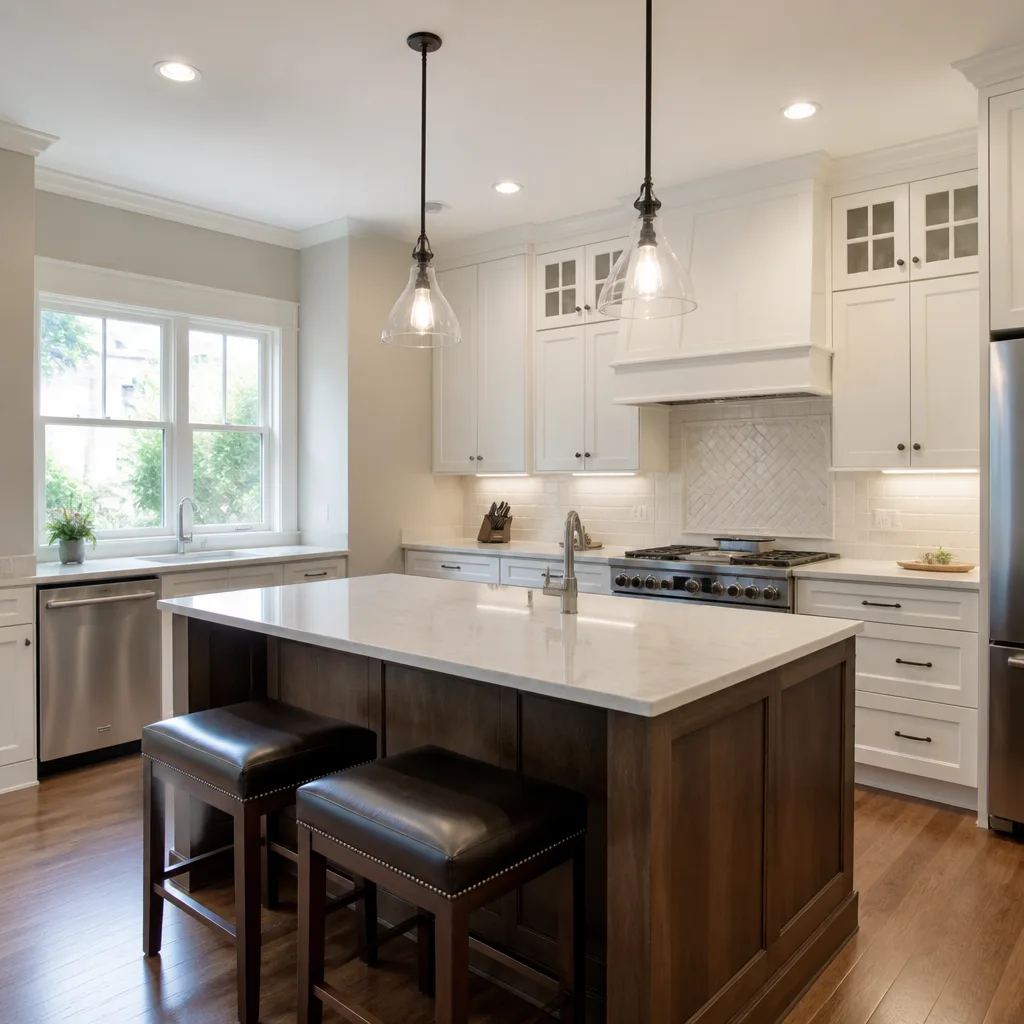
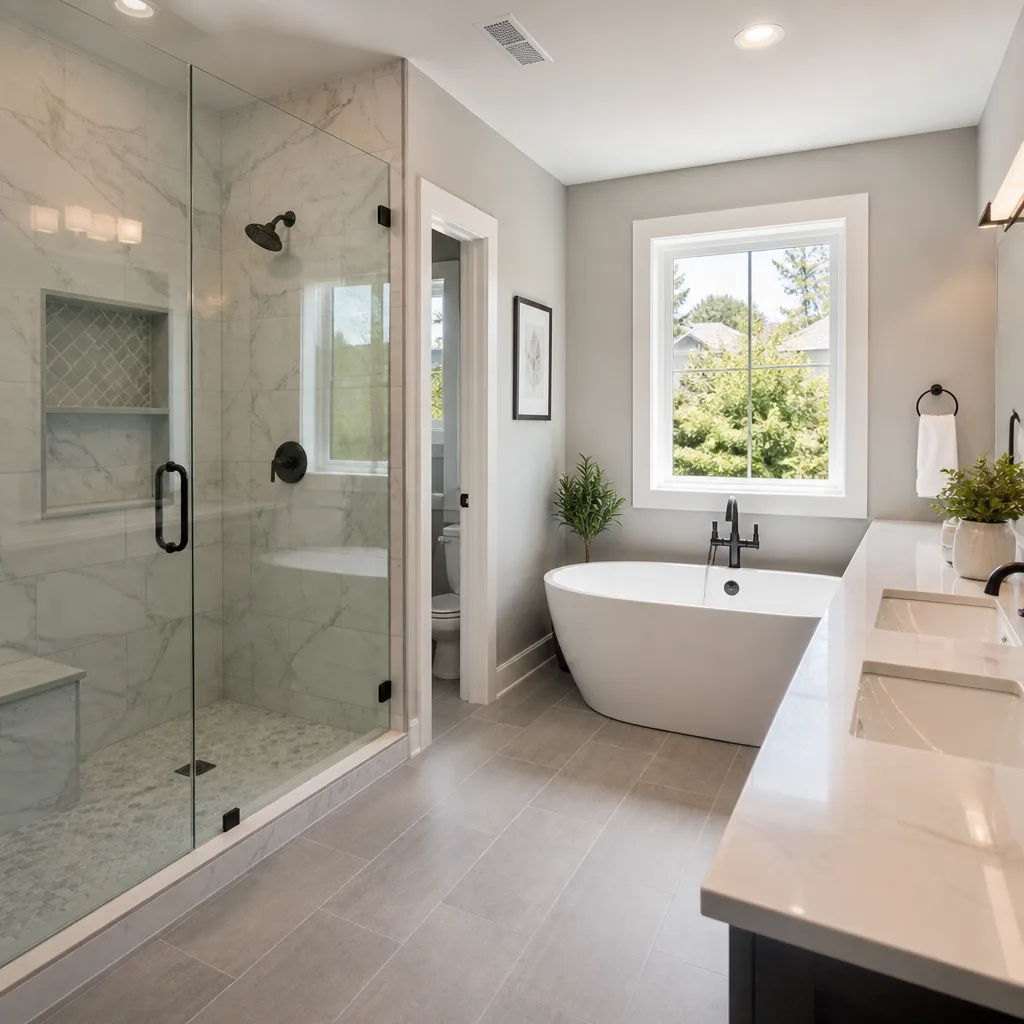
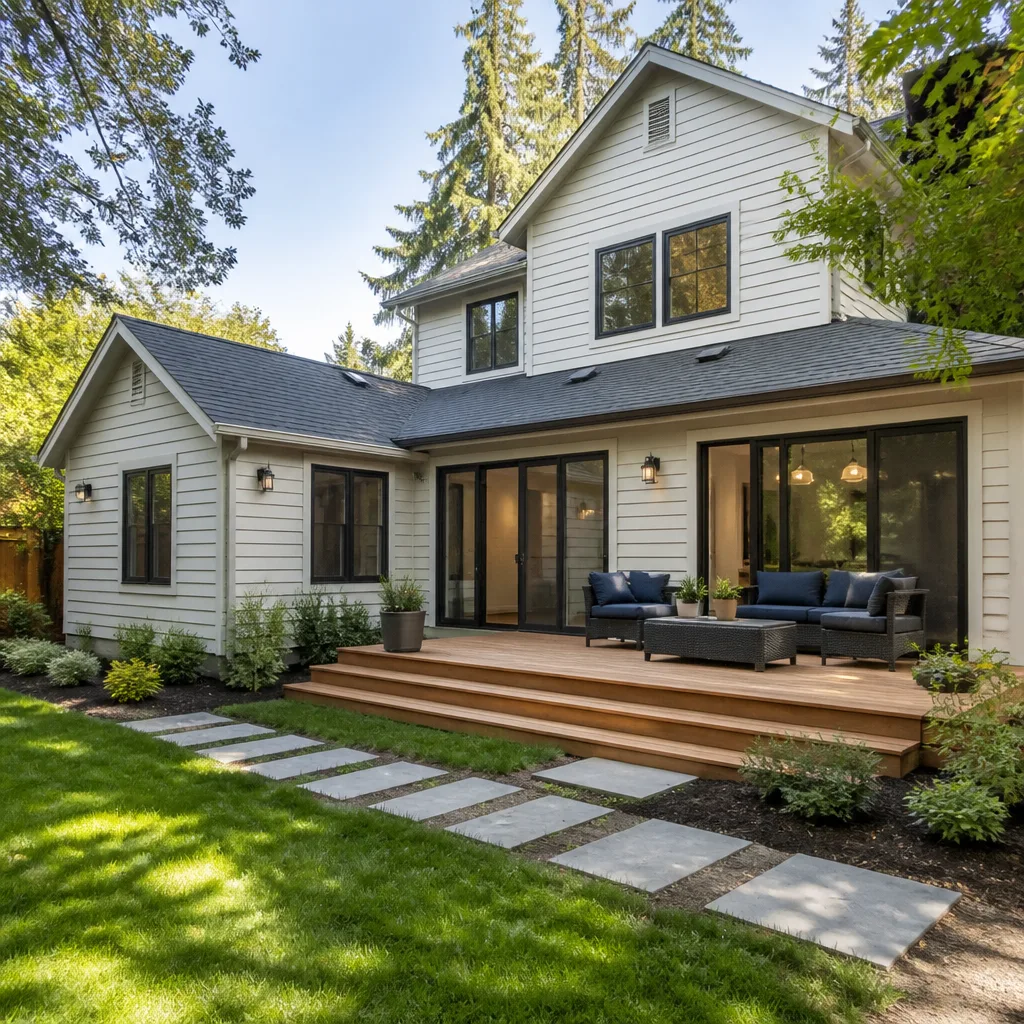
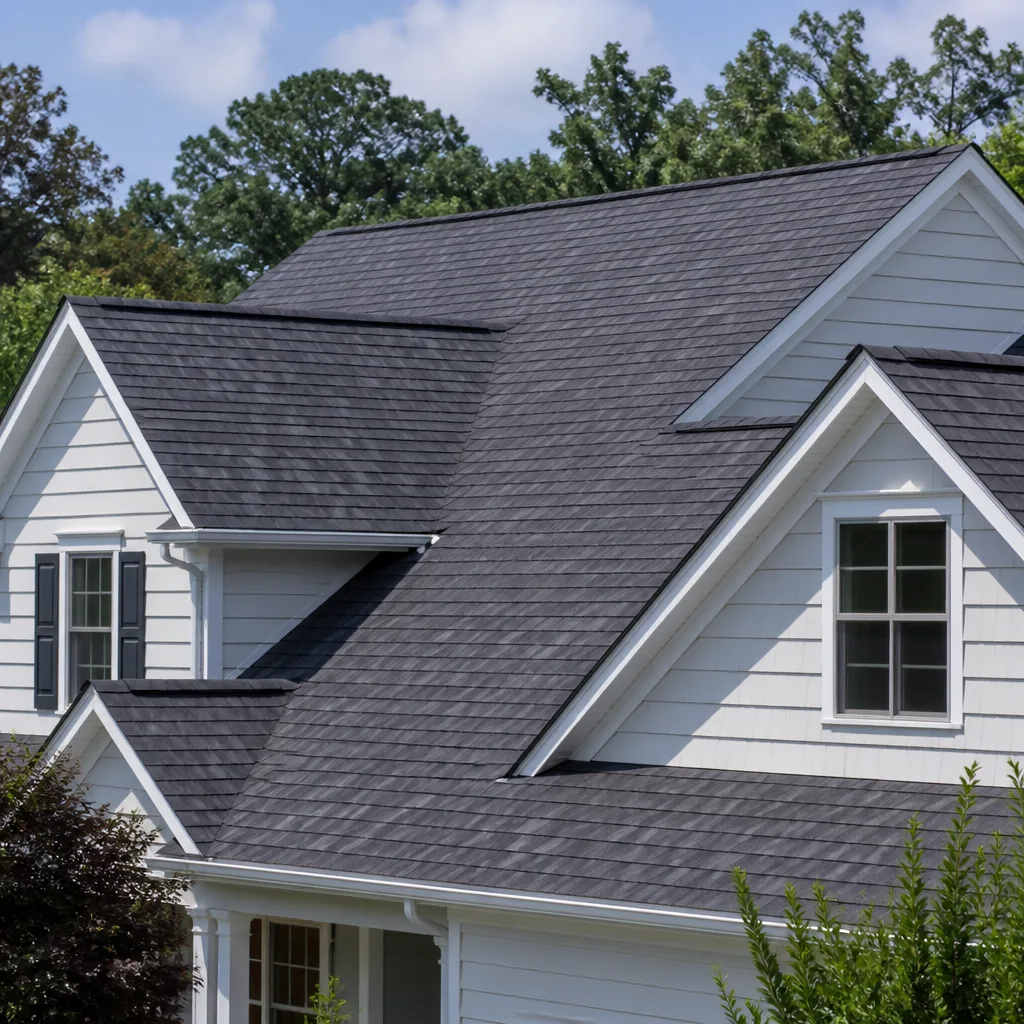
 Before
 After
After Before
 After
After Before
 After
AfterThe Complete Guide to Construction in Boca Raton
Most construction projects in Boca Raton that run over budget don’t fail at the job site. They fail at the permit counter, where a missing wind-load calculation or an incorrect setback measurement can stall a project for six to twelve weeks before a single tool is lifted. We’ve reviewed competitor estimates for homeowners in Royal Palm Yacht & Country Club, Boca West, and the downtown mixed-use corridor, and the pattern repeats: the contractor who skips the zoning verification step is the contractor who delivers change orders later. This guide maps the full sequence from zoning check to certificate of occupancy, with the actual agencies, timelines, and dollar ranges that govern construction in Boca Raton.
Quick Answer
Construction in Boca Raton requires navigating Palm Beach County’s wind-zone requirements under Florida Building Code 7th Edition, city-specific zoning districts that limit height and setback, and a Development Services permitting workflow where master permits cover some trades but electrical, plumbing, and roofing often need separate approvals. A typical kitchen remodel takes 8-14 weeks including permits; a home addition runs 4-7 months; new construction averages 10-16 months from site plan to certificate of occupancy.
Table of Contents
- Understanding Boca Raton’s Zoning Districts Before You Hire a Contractor
- The City of Boca Raton Permitting Workflow: What Needs a Separate Permit
- Florida Building Code 7th Edition: Wind-Zone Requirements in Palm Beach County
- Realistic Project Timelines by Construction Type in Boca Raton
- How to Read a Florida Construction Contract: Minimum Law vs. Real Protection
- What Construction Costs in Boca Raton: 2024-2025 Ranges by Project Type
- Material Selection for Boca Raton’s Climate and Code Environment
- Common Mistakes to Avoid
- When to Call a Professional
- Frequently Asked Questions
- The Bottom Line
 Before
 After
AfterUnderstanding Boca Raton’s Zoning Districts Before You Hire a Contractor
Boca Raton’s zoning map is not a suggestion. It is a hard limit on what can be built, and it varies block by block. The city operates under a Land Development Regulations (LDR) framework last comprehensively updated in 2019, with amendments through 2024. Before any contractor quotes a project, the property’s zoning district determines maximum height, floor area ratio (FAR), setback from property lines, and whether accessory dwelling units (ADUs) are permitted at all.
The residential districts that matter most for homeowners are R1-A, R1-B, R1-C, and R1-D, each with progressively larger minimum lot sizes and maximum building coverage percentages. R1-A, found in older neighborhoods like Boca Raton’s historic Pearl City area, requires 10,000 square foot minimum lots and limits structures to 35 feet or two stories. R1-D, common in newer western developments, allows 45-foot heights on 20,000 square foot lots with 40% maximum lot coverage. The difference between R1-A and R1-D can mean the difference between a permitted second-story addition and a denied variance application.
Mixed-use corridors along Federal Highway, Glades Road, and Palmetto Park Road operate under Commercial General (CG) or Planned Unit Development (PUD) overlays with their own setback calculators. In the downtown area, the Community Redevelopment Agency (CRA) maintains additional design guidelines that affect facade materials, parking ratios, and ground-floor activation requirements. We’ve seen homeowners in the Royal Palm Place area assume standard residential rules applied, only to learn their property sat within a CRA boundary with additional architectural review requirements.
The practical step: verify your zoning before requesting quotes. The City of Boca Raton offers a GIS interactive map where property owners can confirm district classification, but the definitive document is a zoning verification letter from Development Services, which costs $75 and takes 5-7 business days. Any contractor quoting a project without this step is quoting in the dark. Under Clause 1 of the Haven Standard, Rowan Construction Group delivers a written price only after confirming the property’s zoning status, because a price without a zoning check is not a price, it’s a guess.
For homeowners considering ADUs, the situation is particularly constrained. Boca Raton permits detached ADUs only in R1-C and R1-D districts, and only where the primary structure was built before 2000. The ADU cannot exceed 800 square feet or 50% of the primary structure’s floor area, whichever is smaller. Attached ADUs face similar limits but are allowed in R1-B through R1-D. These rules eliminate ADU options for significant portions of the city, and a contractor who doesn’t flag this early is wasting everyone’s time.
The City of Boca Raton Permitting Workflow: What Needs a Separate Permit
Development Services at 200 NW Boca Raton Boulevard handles all construction permitting, and their workflow has shifted substantially since 2022 with the implementation of the Accela Civic Platform for online submissions. Understanding which trades roll under a master permit and which require standalone applications can save weeks of processing time.
A building permit (the “master” permit) covers structural work, framing, drywall, and general construction. Electrical, plumbing, mechanical (HVAC), and roofing permits are typically separate, though they can be submitted concurrently and linked to the master permit number. Fence permits are standalone. Driveway and paver work affecting the right-of-way requires a separate ROW permit from the Transportation Division.
The sequence matters. For a kitchen remodeling in Boca Raton, the typical permit stack is:
- Building permit for structural changes, wall removal, or window relocation
- Electrical permit for panel upgrades, new circuits, or appliance connections
- Plumbing permit for sink relocation, gas line extension, or water heater replacement
- Mechanical permit if HVAC ductwork is modified
Each permit requires separate plan review, though Development Services offers a “combined review” option for residential projects under $75,000 that can reduce total review time from 4-6 weeks to 2-3 weeks. The catch: all trades must submit complete, code-compliant plans simultaneously. A missing electrical load calculation or an incomplete plumbing riser diagram breaks the combined review and resets the clock.
For roofing in Boca Raton, the situation is simpler in structure but exacting in detail. A roofing permit is always standalone, requires a wind-load calculation signed by a Florida-licensed engineer or architect, and must specify fastener patterns that meet the HVHZ (High Velocity Hurricane Zone) requirements for Palm Beach County. The permit application includes a roof permit affidavit attesting that the contractor holds a current Florida roofing license and carries workers’ compensation coverage. Development Services inspects roofing projects at three stages: pre-roofing (deck condition), dry-in (underlayment), and final. Missing any inspection requires re-inspection fees of $75 per visit.
Home additions trigger the most complex permitting. They require:
- Zoning verification and site plan approval
- Architectural plans sealed by a Florida-licensed design professional
- Structural calculations for foundations and framing
- Florida Energy Code compliance documentation (Form R405-2021)
- Wind-load analysis per ASCE 7-22, Chapter 26
- Tree survey if any protected species are within the critical root zone
The tree survey requirement surprises many homeowners. Boca Raton’s Land Development Regulations protect native species including live oaks, gumbo limbos, and sabal palms above certain caliper sizes. Removal or encroachment within the critical root zone (typically 1 foot per inch DBH, diameter at breast height, 4.5 feet above ground) requires arborist approval and potential replacement planting at a ratio of 2:1 or 3:1 depending on species.
Permit fees in Boca Raton are calculated per valuation. For residential construction, the formula is: Permit Fee = (Valuation × 0.0045) + $100 base fee + plan review fee (50% of permit fee). A $150,000 home addition generates approximately $1,112 in permit and plan review fees. Electrical, plumbing, and mechanical permits carry their own fee schedules, typically $150-$400 each depending on scope.
Florida Building Code 7th Edition: Wind-Zone Requirements in Palm Beach County
Palm Beach County sits in Wind-Borne Debris Region as defined by Florida Building Code 7th Edition (2020), with wind speeds mapped at 170 mph for Risk Category II buildings (typical residential). This is not a marginal difference from inland Florida. It changes every material specification, every fastening pattern, and every project cost.
Impact-resistant glazing is mandatory for all exterior openings within one mile of the coast, which encompasses most of eastern Boca Raton from the Intracoastal Waterway to approximately Military Trail. West of Military Trail, the requirement relaxes slightly but most jurisdictions still enforce it. For window and door replacements, this means products must carry either Miami-Dade County NOA (Notice of Acceptance) or Florida Product Approval, with specific pressure ratings for the installation zone. A window rated for 140 mph is not legal in Boca Raton, regardless of what the manufacturer’s national catalog suggests.
Roofing materials face equally specific requirements. Asphalt shingles must meet ASTM D7158 Class H or ASTM D3161 Class F wind resistance, installed with six nails per shingle in the HVHZ pattern, not the standard four-nail pattern used in most of the country. Tile roofs require foam adhesive or mechanical fastening at 24-inch centers in the field, with closer spacing at hips, ridges, and eaves. Metal roofing must use concealed-fastener systems with clip spacing calculated for the specific wind zone; exposed-fastener systems common in agricultural construction are not permitted for residential use in Palm Beach County.
The cost impact is concrete. Impact-rated windows cost 40-60% more than non-rated equivalents. HVHZ roofing installation adds $1.50-$3.00 per square foot in additional fasteners, adhesives, and labor. These are not upgrade options; they are code minimums, and any quote that omits them is either uninformed or deliberately misleading.
We’ve reviewed estimates from contractors who specified standard-grade materials with the assumption that “Boca Raton is basically Fort Lauderdale.” It is not. The Palm Beach County amendments to the Florida Building Code include additional requirements for soffit ventilation in coastal environments, specific corrosion protection for fasteners within 1,000 feet of salt water, and enhanced floodplain provisions that interact with FEMA’s AE and VE zone mappings. A project in Boca Raton’s Beachside neighborhood faces different structural requirements than an identical project in Boca Del Mar, three miles inland.
The documentation requirement is equally specific. Every permit application for structural work must include a wind-load calculation signed by a Florida-licensed engineer or architect. The calculation must reference ASCE 7-22, show the mapped wind speed for the specific address, and account for exposure category (typically Exposure C for most of Boca Raton, Exposure D for beachfront properties). This document is not a formality. Development Services reviews it line by line, and errors in basic parameters like mean roof height or internal pressure coefficients generate rejection notices that add 2-3 weeks to the timeline.
Realistic Project Timelines by Construction Type in Boca Raton
Timeline estimates from contractors often describe construction duration only, omitting the permitting and pre-construction phases that consume 30-50% of the total schedule. Here are the realistic ranges we use for planning, with permit review windows included.
| Project Type | Design & Permitting | Construction | Total Timeline |
|---|---|---|---|
| Kitchen remodel (no structural changes) | 3-5 weeks | 4-6 weeks | 8-14 weeks |
| Kitchen remodel (wall removal, layout change) | 5-8 weeks | 6-10 weeks | 12-20 weeks |
| Bathroom remodeling in Boca Raton | 3-5 weeks | 3-5 weeks | 7-12 weeks |
| Master suite addition (500-800 sq ft) | 8-12 weeks | 12-16 weeks | 5-7 months |
| Two-story addition (1,000-1,500 sq ft) | 10-14 weeks | 16-24 weeks | 6-9 months |
| Detached ADU (permitted) | 10-16 weeks | 12-20 weeks | 6-9 months |
| New single-family construction | 16-24 weeks | 28-40 weeks | 10-16 months |
These timelines assume no major surprises: no buried utility conflicts, no soil conditions requiring engineered fill, no HOA architectural review delays. In practice, surprises are common. We’ve encountered unpermitted prior work in homes throughout the Hidden Lakes and Woodfield Country Club areas, where previous owners finished basements or enclosed patios without permits. Discovering this during a current project triggers a retroactive permitting process that can add 4-8 weeks.
The HOA factor deserves specific attention in Boca Raton. Communities including Boca West, St. Andrews Country Club, and Woodfield Country Club maintain architectural review boards with their own submission requirements, meeting schedules, and approval timelines. These run parallel to city permitting, not in sequence, but a contractor who ignores the HOA process until after city permits are issued risks a stop-work order from the association. The typical HOA review takes 30-45 days, with re-submission cycles if the initial application is incomplete.
Weather introduces additional variability. Palm Beach County’s rainy season runs June through October, with September averaging 8-9 inches of precipitation. Exterior work including roofing, stucco, and concrete pours faces practical constraints during this period. We schedule critical exterior phases for November through May when possible, and build weather delays into timelines for projects that must proceed during summer months.
How to Read a Florida Construction Contract: Minimum Law vs. Real Protection
Florida Statute Chapter 489 governs construction contracting, and it mandates specific provisions that every residential contract must contain. But the statutory minimum is exactly that: a floor, not a ceiling. The contracts that protect homeowners go substantially further.
Required by Florida law:
- Contractor’s name, license number, and certificate of insurance
- Property owner’s name and project address
- Detailed description of work to be performed
- Total contract price or a statement that price will be determined by time and materials with an estimated maximum
- Payment schedule tied to completion milestones, not calendar dates
- Notice of the owner’s three-day right to cancel (for contracts solicited at the owner’s residence)
- Start date and substantial completion date, or a statement of how these will be determined
What the law does not require, but what protects you:
- Line-item material specifications with manufacturer and model numbers, not generic descriptions like “granite countertops” or “premium shingles”
- Written change order procedure with pricing methodology defined in advance
- Permit responsibility clearly assigned (who pulls, who pays, who schedules inspections)
- Warranty terms beyond the statutory one-year implied warranty, with specific coverage periods for workmanship versus materials
- Dispute resolution mechanism, whether mediation, arbitration, or litigation
- Lien release procedures and timing
- Documentation deliverables: photo records, as-built drawings, equipment manuals
The change order provision is where most projects derail. Florida law requires written change orders for any price increase exceeding $500, but it does not specify how change order pricing is calculated. A contract that states “change orders priced at cost plus 15%” protects the homeowner from arbitrary markups. A contract with no pricing methodology leaves the door open for disputes that stall projects and generate liens.
Under the Haven Standard, Rowan Construction Group’s contracts include all of the above, plus a specific clause: no work proceeds on a change until the change order is signed. This is the administrative discipline Haven acquired Rowan for in 2007, and it is the reason our projects finish within a few percent of the agreed price across 4,000-plus jobs. The signed change order requirement eliminates the “we talked about it” disputes that generate half of construction litigation.
Payment schedules deserve scrutiny. Florida law prohibits contractors from requiring more than 10% down or $1,000, whichever is less, for residential projects, with exceptions for specially ordered materials. Progress payments must be tied to verifiable completion milestones, not arbitrary percentages. A schedule that demands 50% at “rough-in” is legal only if rough-in is defined with inspection-pass criteria. We define milestones by inspection completion: foundation inspection passed, framing inspection passed, final inspection passed. The homeowner pays when the city confirms the work is correct, not when the contractor says it is.
The 365-Day Done Right Promise, printed on every contract page, extends beyond Florida’s minimum. If it is not done right, Rowan makes it right. The guarantee is backed by a terms page, not an asterisk, and it covers workmanship defects that appear within the first year of occupancy.
What Construction Costs in Boca Raton: 2024-2025 Ranges by Project Type
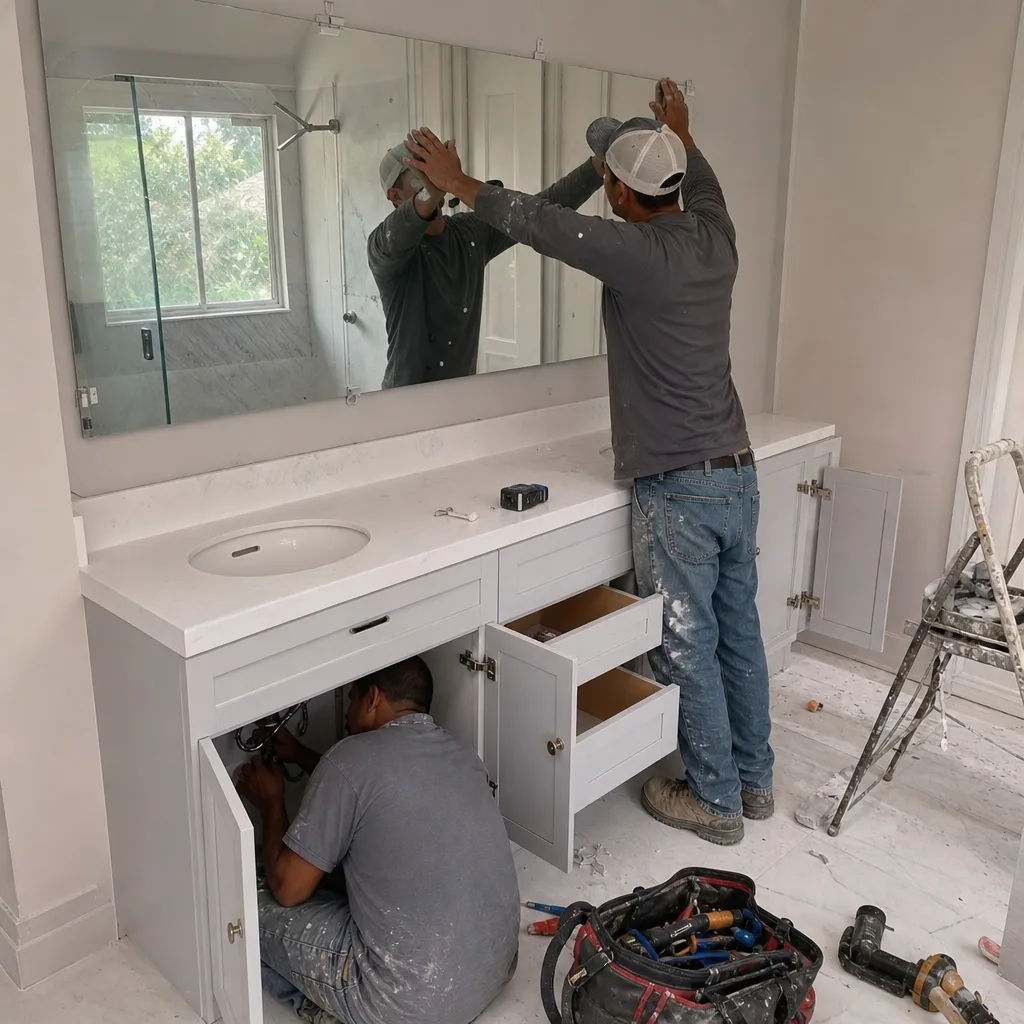
Construction costs in Boca Raton run 15-25% above national averages, driven by labor rates in the South Florida market, HVHZ material requirements, and the logistical costs of working in established neighborhoods with limited staging space. The ranges below reflect our actual written quotes delivered to homeowners in Boca Raton from 2023 through early 2025, with the understanding that every project is scoped individually.
| Project Type | Low Range | Mid Range | High Range |
|---|---|---|---|
| Kitchen remodel (150-250 sq ft, no structural) | $45,000 | $65,000-$85,000 | $120,000+ |
| Kitchen remodel (with wall removal, layout change) | $65,000 | $95,000-$130,000 | $180,000+ |
| Primary bathroom remodel (80-120 sq ft) | $28,000 | $42,000-$58,000 | $85,000+ |
| Full bathroom addition (new construction) | $55,000 | $75,000-$110,000 | $150,000+ |
| Master suite addition (500-800 sq ft) | $180,000 | $250,000-$350,000 | $500,000+ |
| Two-story addition (1,000-1,500 sq ft) | $320,000 | $450,000-$650,000 | $900,000+ |
| Detached ADU (600-800 sq ft) | $180,000 | $250,000-$350,000 | $450,000+ |
| Roof replacement (2,500 sq ft, asphalt shingle) | $18,000 | $24,000-$32,000 | $45,000+ |
| Roof replacement (2,500 sq ft, tile or metal) | $35,000 | $48,000-$65,000 | $95,000+ |
| Window replacement (whole house, 15-20 units, impact-rated) | $22,000 | $32,000-$48,000 | $70,000+ |
| Driveway/paver installation (800-1,200 sq ft) | $12,000 | $18,000-$28,000 | $45,000+ |
These ranges include permits, inspections, and standard finishes. They do not include design fees (typically 8-12% of construction cost for architect-involved projects), furniture, or appliances. The high end of each range reflects premium material selections, complex site conditions, or extensive customization.
Material brand selection moves the needle substantially. In kitchen remodeling, KraftMaid semi-custom cabinets run 30-40% less than Wellborn’s full-custom line, with comparable lead times. Cambria quartz countertops carry a 15-20% premium over Caesarstone for equivalent patterns, driven by domestic manufacturing and shorter supply chain. For roofing, GAF Timberline HDZ shingles and Owens Corning Duration series both meet Palm Beach County requirements, with installed costs within 5% of each other; the difference is warranty structure and contractor certification level, not fundamental performance.
Prefabricated and modular options deserve consideration for specific project types. Dvele and Plant Prefab manufacture panelized systems that can reduce on-site construction time by 30-50% for new construction or large additions, though their cost savings are partially offset by transportation logistics to the South Florida market. Mighty Buildings and Boxabl focus on smaller modules, with Boxabl’s Casita unit (361 square feet) permitted as an ADU in some Boca Raton zoning districts but not others. These systems still require foundation work, utility connections, and local permitting, so the “total cost” marketing figures rarely match delivered project costs.
Our practice is to name the price range on the page, in dollars, so the customer can screenshot and compare. Then we deliver a written flat price with a written scope and a written warranty after site verification. “Call for a quote” is not an option at Rowan Construction Group.
Material Selection for Boca Raton’s Climate and Code Environment
Boca Raton’s climate is not kind to building materials. Salt air within two miles of the Intracoastal accelerates corrosion of unprotected metals. Summer humidity sustained above 80% promotes mold growth in improperly ventilated assemblies. The combination of intense UV exposure and driving rain during tropical weather events tests every exterior finish. Material selection here is not aesthetic preference alone; it is durability engineering.
For exterior finishes, stucco dominates Boca Raton construction, but not all stucco assemblies are equal. The Florida Building Code requires two-layer stucco systems over water-resistive barriers on wood-framed construction, with weep screed (a perforated metal flashing) at the base to drain incidental moisture. Three-coat traditional stucco (scratch coat, brown coat, finish coat) outperforms one-coat synthetic systems in our experience, particularly where hairline cracking from thermal cycling is concerned. In the Royal Palm Yacht & Country Club area, we’ve observed synthetic stucco (EIFS) failures at 8-12 years where traditional systems at similar ages show only cosmetic weathering.
Roofing material selection balances wind resistance, thermal performance, and longevity. Concrete tile, common in Mediterranean-influenced Boca Raton architecture, carries a 50-year material warranty but requires underlayment replacement at 20-25 years in our climate. The underlayment is the functional waterproofing layer; the tile is weathering surface and ballast. Homeowners who learn this at year 22, when the underlayment fails, face a $15,000-$25,000 re-roof that the tile warranty does not cover. Metal roofing, specifically standing seam in 24-gauge Kynar 500-finished steel or 0.032-inch aluminum, avoids this issue with exposed-fastener systems prohibited in HVHZ. Installed costs run 60-80% above asphalt shingle, but service life in Boca Raton’s climate extends to 40-60 years with minimal maintenance.
Window and door specifications must address both impact resistance and thermal performance. The Florida Energy Code requires U-factor of 0.40 or lower and SHGC (Solar Heat Gain Coefficient) of 0.25 or lower for residential fenestration in Palm Beach County. Impact-rated vinyl frames with warm-edge spacers meet these criteria at moderate cost; aluminum frames require thermal breaks and typically run 20-30% more for equivalent performance. In our experience, homeowners in west Boca Raton (Boca Del Mar, Mission Bay) prioritize thermal performance given afternoon sun exposure, while eastern properties emphasize corrosion resistance for hardware and fasteners.
Interior materials face humidity challenges less dramatic but still consequential. Solid hardwood flooring below grade or in slab-on-grade construction risks moisture-related expansion; engineered wood or luxury vinyl plank (LVP) with WPC or SPC cores performs more predictably. In bathrooms, cementitious backer board (CBU) under tile is code-required and functionally necessary; moisture-resistant drywall (“green board”) is permitted by code in non-wet areas but we specify CBU for all tile substrates in Boca Raton projects given actual humidity conditions.
Plumbing fixture selection carries water-quality considerations. Boca Raton’s municipal water supply, sourced from the Biscayne Aquifer, runs moderately hard (120-180 ppm calcium carbonate) with occasional sulfur odor in older distribution mains. Kohler and Toto fixtures with ceramic disc cartridges resist mineral buildup better than compression or washer designs; Toto’s Washlet line includes integrated water filtration that addresses odor concerns for sensitive users. These are not luxury indulgences in this market; they are functional selections that reduce maintenance callbacks.
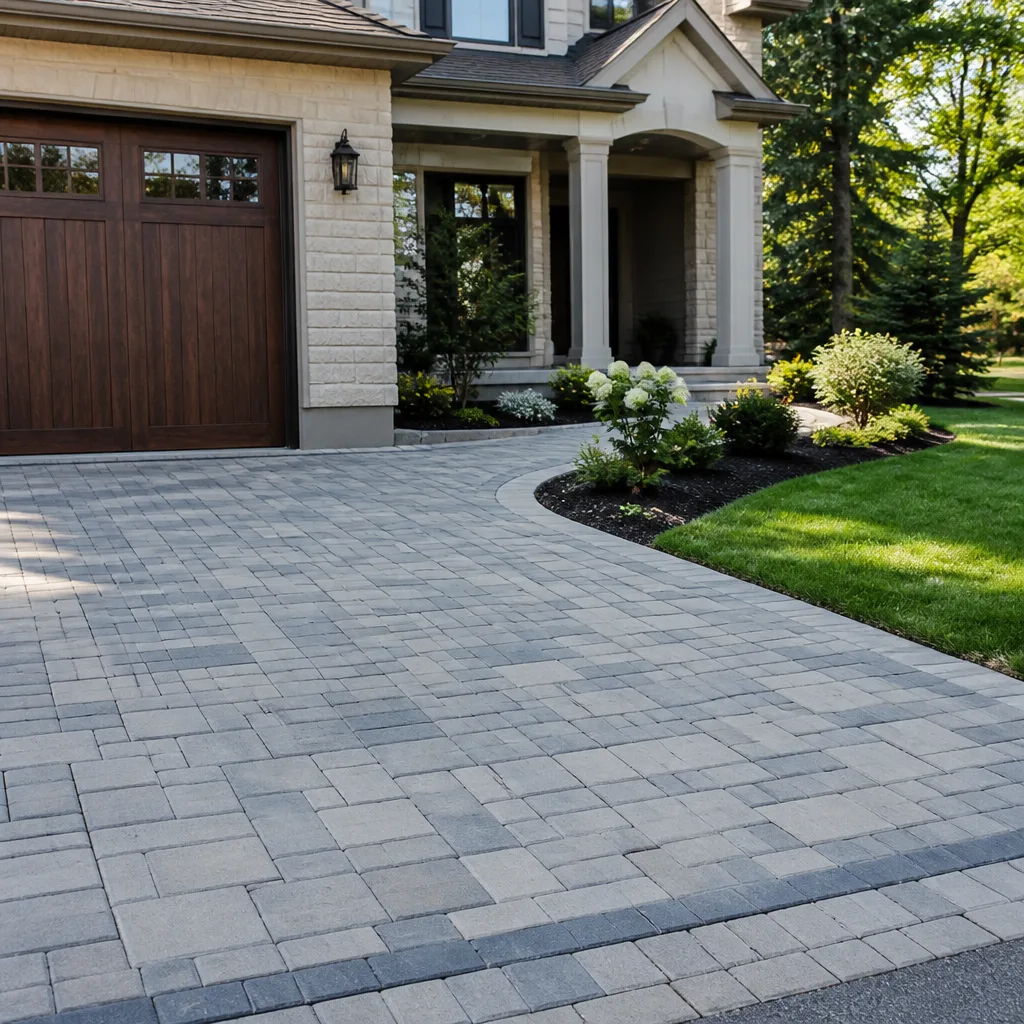
For outdoor hardscaping, Belgard and Techo-Bloc pavers both offer products rated for vehicular loads with permeable joint options that meet South Florida Water Management District requirements for reduced impervious surface. In the Lake Rogers Isle and Boca Harbour areas, where lot coverage limits are stringent, permeable pavers can preserve square footage that solid concrete or traditional pavers would consume. The installed cost premium is 15-25%, but the alternative is often a smaller patio or a variance application with uncertain outcome.
Common Mistakes to Avoid
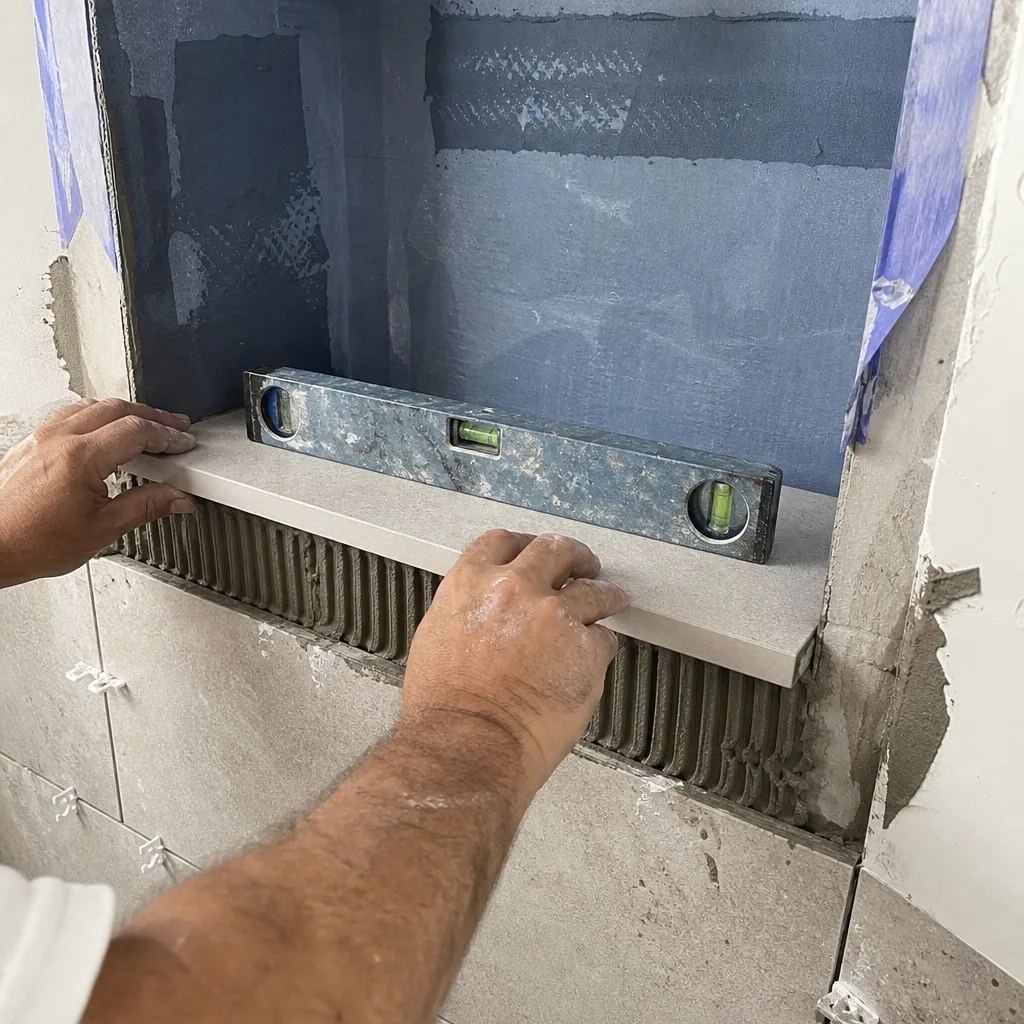
- Starting design before confirming zoning. We’ve met with homeowners in Boca Raton’s R1-A districts who spent $8,000-$12,000 on architectural plans for second-story additions that zoning height limits prohibited. The zoning check costs $75 and takes a week; the design rework costs thousands and takes months.
- Accepting a quote without permit costs included. Some contractors quote “permit-ready” prices that exclude actual permit fees, or worse, quote with the assumption that permits won’t be pulled. Unpermitted work in Boca Raton triggers penalties of double the permit fee plus required corrective work, and it destroys resale value when the disclosure requirement surfaces.
- Ignoring the HVHZ material premium. A quote that uses national-average material costs for impact-rated windows or HVHZ roofing fasteners will generate change orders. The premium is real, it is code-required, and it is not negotiable.
- Signing a contract without a written change order procedure. Florida law requires written change orders for increases over $500, but the procedure for pricing and approving them is where projects succeed or fail. A contract that says “changes will be priced fairly” is a contract that invites disputes.
- Neglecting HOA architectural review. In Boca West, St. Andrews, and Woodfield Country Club, we’ve seen city-permitted projects halted by HOA stop-work orders because the architectural review was still pending. The HOA process runs parallel to permitting, not after it.
- Assuming prefabricated equals cheaper. Dvele, Plant Prefab, and similar systems reduce on-site labor but add transportation, crane rental, and specialized foundation costs. For small ADUs in Boca Raton, site-built construction often delivers lower total project cost when all factors are included.
- Overlooking flood zone implications. FEMA maps classify portions of eastern Boca Raton as AE zones with base flood elevations of 7-10 feet. Any new construction or substantial improvement in these zones requires elevation compliance, flood-resistant materials below BFE, and elevation certificates that add $800-$1,500 to project costs.
When to Call a Professional
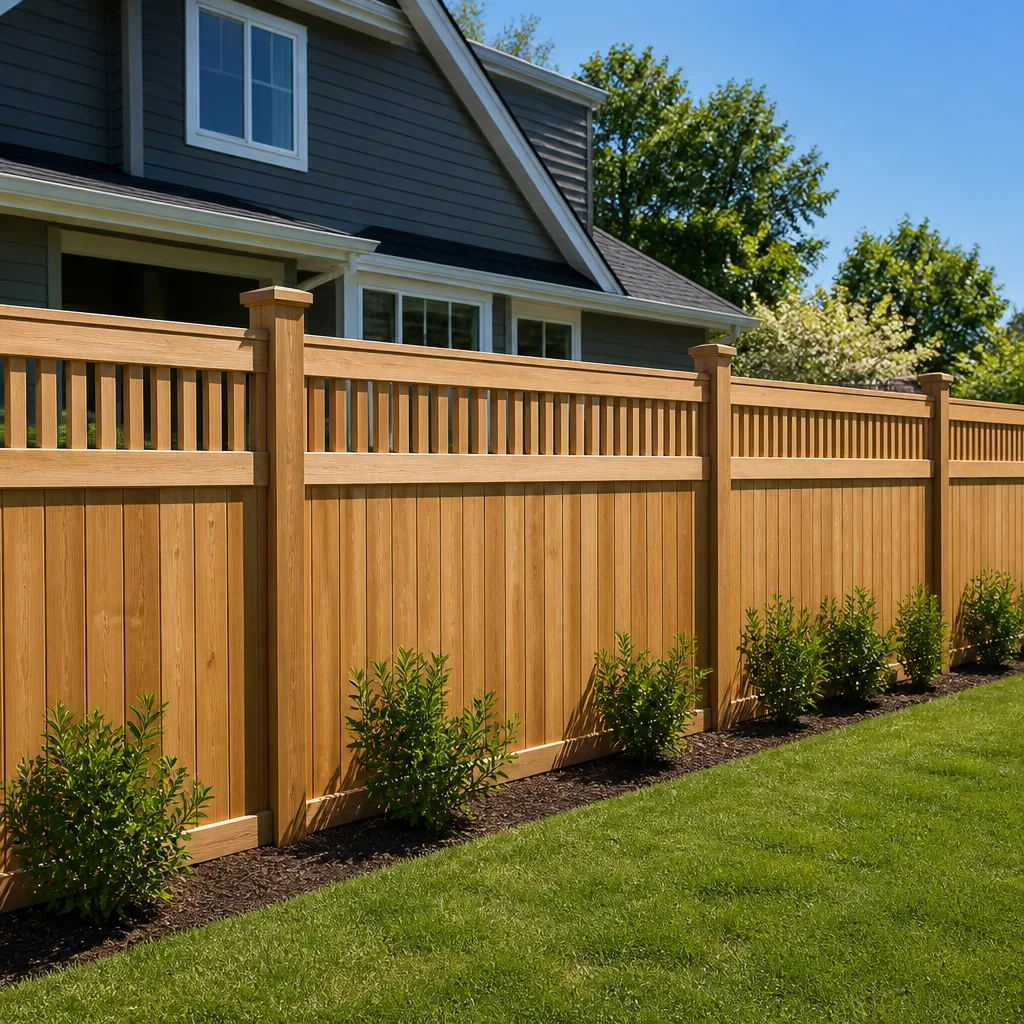
Call a licensed contractor when the project involves structural modification, electrical or plumbing work, roofing, or any work requiring a permit. In Boca Raton, this encompasses most projects beyond cosmetic painting and flooring replacement. The City of Boca Raton requires permits for fence installation over 6 feet, driveway expansion affecting the right-of-way, and even some categories of interior renovation when load-bearing walls are affected.
Specific scenarios that demand professional involvement: foundation settlement or cracking visible in slab edges; roof leaks following tropical weather events; electrical panel upgrades from 100-amp to 200-amp service; bathroom renovations involving shower pan replacement (a moisture-critical assembly with code-specific waterproofing requirements); and any project in a FEMA flood zone where elevation compliance may apply.
Rowan Construction Group Boca Raton offers free estimates in Boca Raton. Our process begins with a site visit to verify conditions, confirm zoning status, and identify any regulatory constraints before a written price is developed. Call (754) 254-8065 to schedule. We also provide free second opinions on any written estimate from another contractor, reviewed line by line at no charge.
Frequently Asked Questions
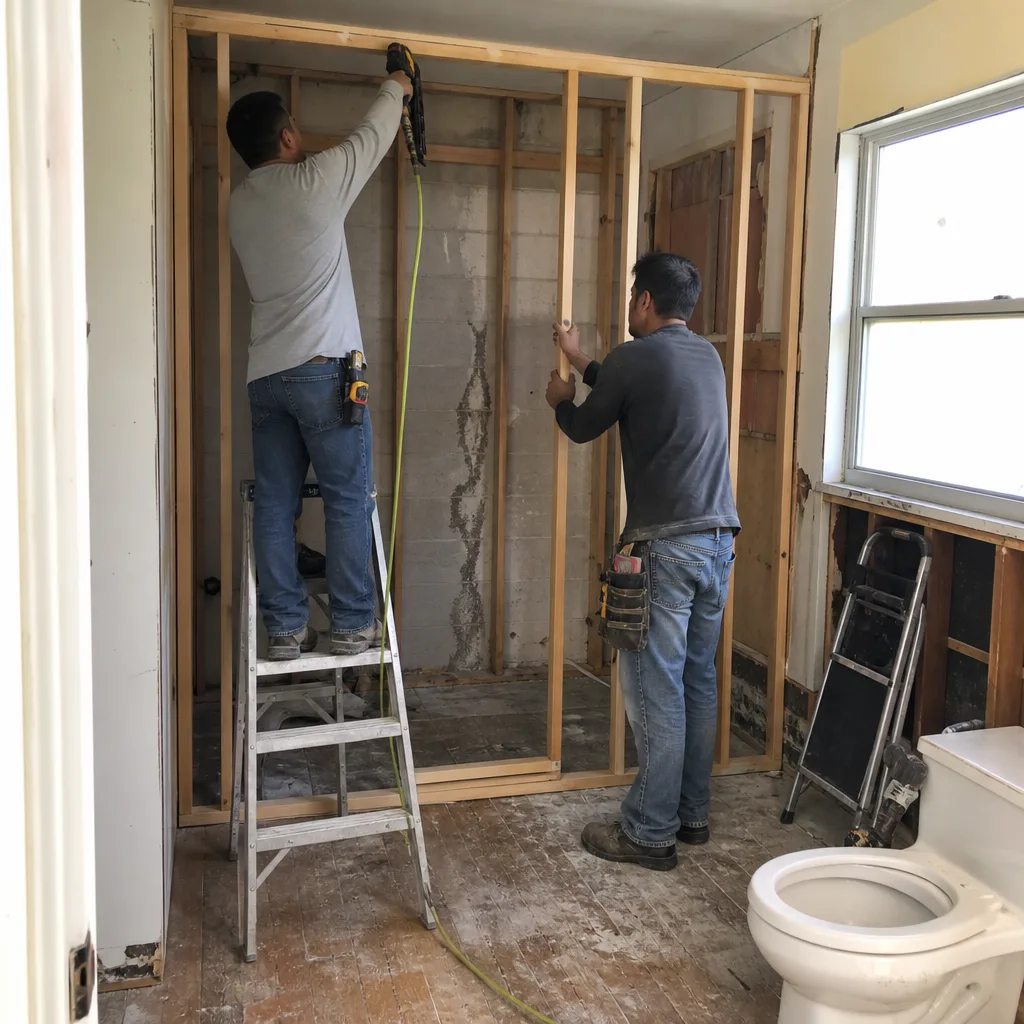
A typical kitchen remodel in Boca Raton ranges from $45,000 for a basic update of a 150-250 square foot space to $120,000 or more for extensive reconfiguration with premium finishes. Projects involving wall removal, structural beam installation, or layout changes generally start at $65,000 and can reach $180,000 depending on material selections and mechanical system modifications. Call (754) 254-8065 for an exact quote based on your specific space and goals - estimates are free.
Yes, bathroom remodeling in Boca Raton requires permits when the work involves plumbing relocation, electrical modification, or structural changes. Even replacement of a shower pan or tub typically triggers a plumbing permit because the waterproofing assembly is code-critical. Cosmetic work such as vanity replacement, mirror installation, or tile overlay on existing walls may proceed without permits if no plumbing or electrical is modified. The safe approach is to verify permit requirements with Development Services before starting work. Call (754) 254-8065 and we will confirm the permit scope for your specific project at no charge.
Permit review in Boca Raton typically takes 2-3 weeks for residential projects under $75,000 using the combined review option, or 4-6 weeks for larger projects requiring separate trade plan reviews. Complex projects involving variances, tree surveys, or HOA architectural review add 4-12 weeks before city submission. The Development Services online portal provides status updates, but direct follow-up with plan reviewers often accelerates resolution of minor issues. We track permit status weekly and intervene when reviews stall.
The Haven Standard is the operating framework Rowan Construction Group has used since 2007, built on documented processes rather than verbal assurances. Clause 1 requires a written price before any work starts. The change order discipline requires signed authorization before any price or scope modification. The 365-Day Done Right Promise guarantees correction of any workmanship defect within the first year. These are not marketing claims; they are printed on every contract page with reference to a binding terms document.
Detached ADUs are permitted only in R1-C and R1-D zoning districts with primary structures built before 2000, limited to 800 square feet or 50% of primary structure floor area, whichever is smaller. Attached ADUs are allowed in R1-B through R1-D with similar size constraints. Properties in R1-A, most condo associations, and many HOA-governed communities are excluded. A zoning verification letter from Development Services ($75, 5-7 business days) is the definitive answer for any specific property. Call (754) 254-8065 and we will coordinate this verification as part of our initial assessment.
Under the Haven Standard, no. The written flat price with written scope is binding. The only mechanism for price change is a signed change order, which requires your explicit authorization with the new price and scope documented in writing. This discipline has kept Rowan Construction Group’s projects within a few percent of the agreed price across 4,000-plus jobs since 2007. If a contractor cannot commit to this structure, the price they quote is not the price you will pay.
The Bottom Line
Construction in Boca Raton succeeds or fails in the preparation phase, not the build phase. Zoning verification, accurate wind-load documentation, proper permit sequencing, and a contract with real protective provisions determine whether a project finishes on budget and on schedule. The material premiums for Palm Beach County’s HVHZ requirements are not optional costs to negotiate away; they are the cost of building legally and safely in this environment. Homeowners who verify these elements before hiring a contractor, and who select a contractor with documented processes for pricing discipline and change order control, avoid the six-to-twelve-week permit delays and mid-project price shocks that derail too many projects.
Rowan Construction Group has delivered 4,000-plus projects since 2007, every one with a written price before work started and a documented photo record when the crew left. We serve homeowners throughout Boca Raton, from the historic neighborhoods near Pearl City to the country club communities of the west, with the same process discipline on every trade from kitchen remodeling to roofing to home additions and ADUs.
Call (754) 254-8065 to schedule your free estimate. Bring a competitor’s written quote and we will review it line by line at no charge. Under Clause 1 of the Haven Standard, you will receive a written flat price with a written scope and a written warranty before any work begins.
Written by Grant Rowan, Owner at Rowan Construction Group Boca Raton, serving Boca Raton since 2007.