
Last updated September 25, 2026
Free written scope consultation - allowances, timeline, and change-order rules on paper before a single trade is scheduled
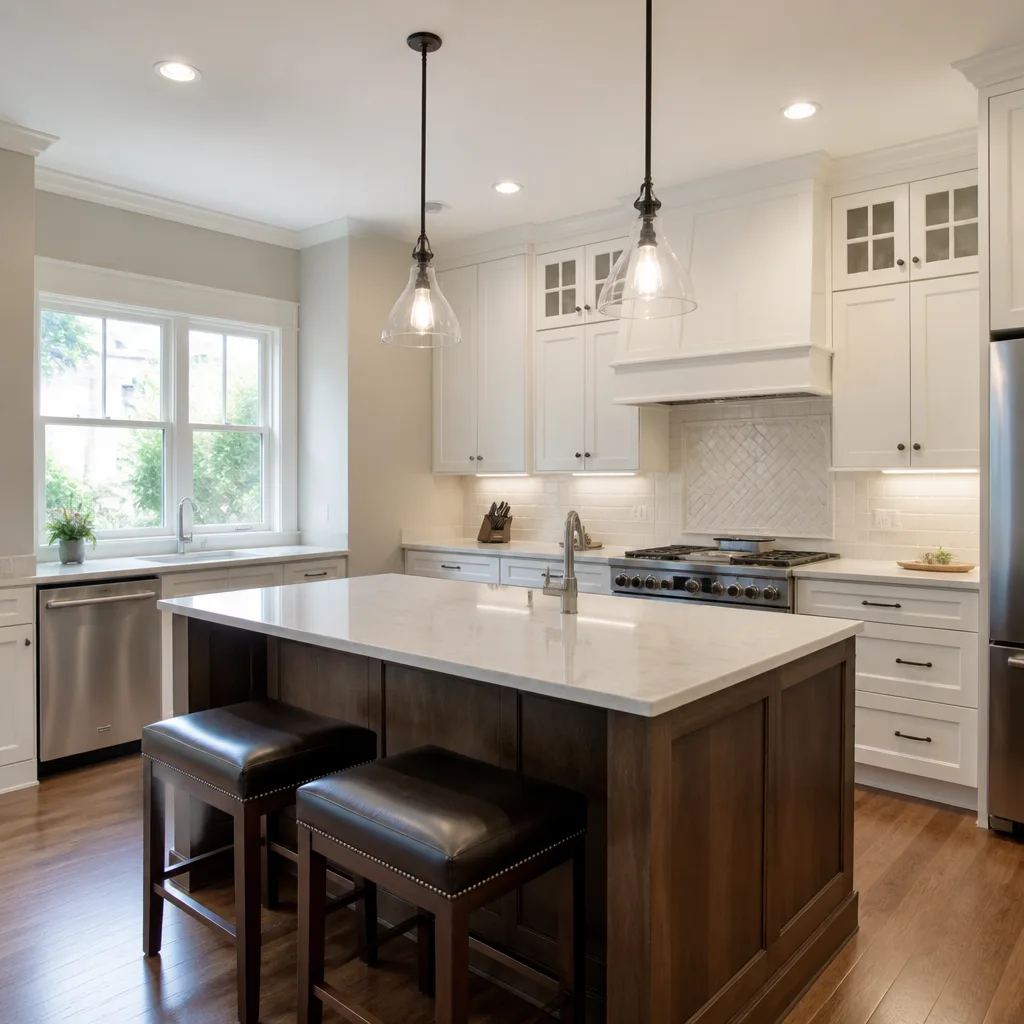
 Before
 After
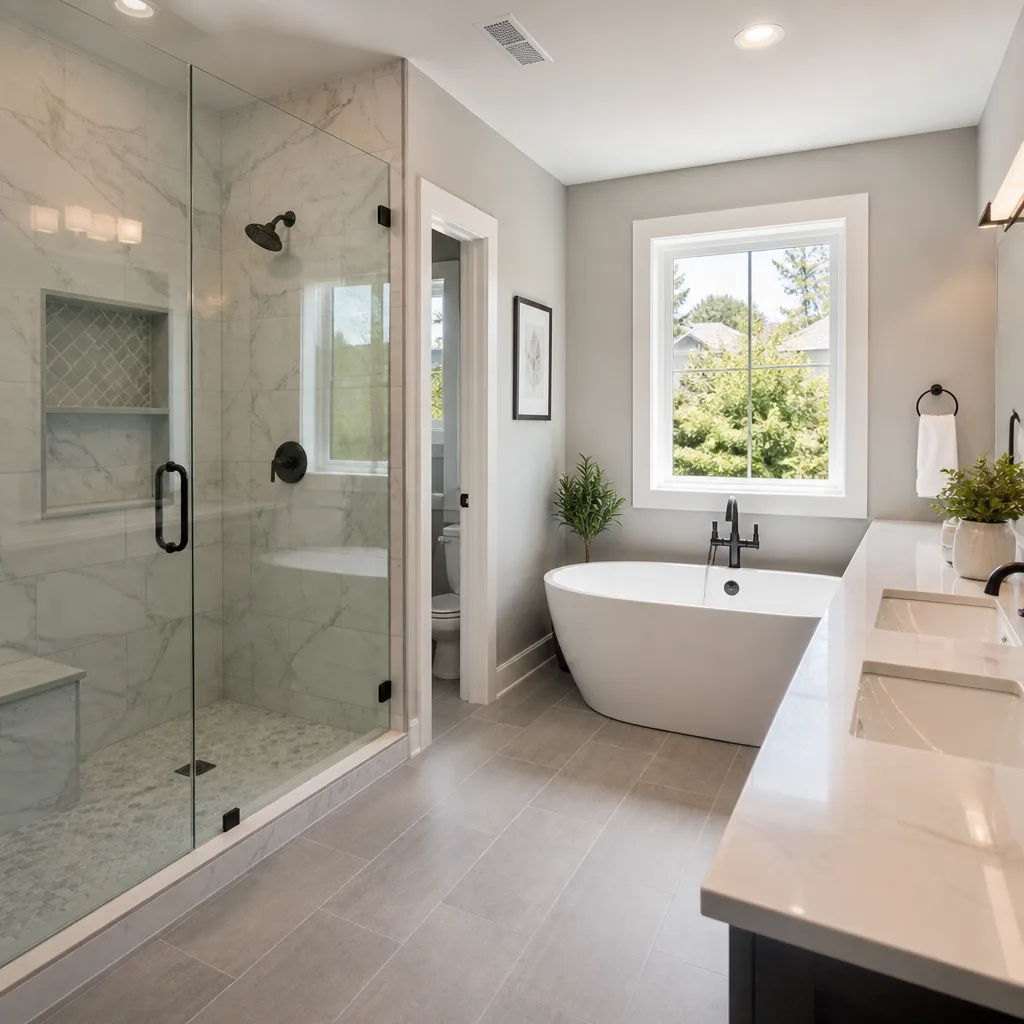
After Before
 After
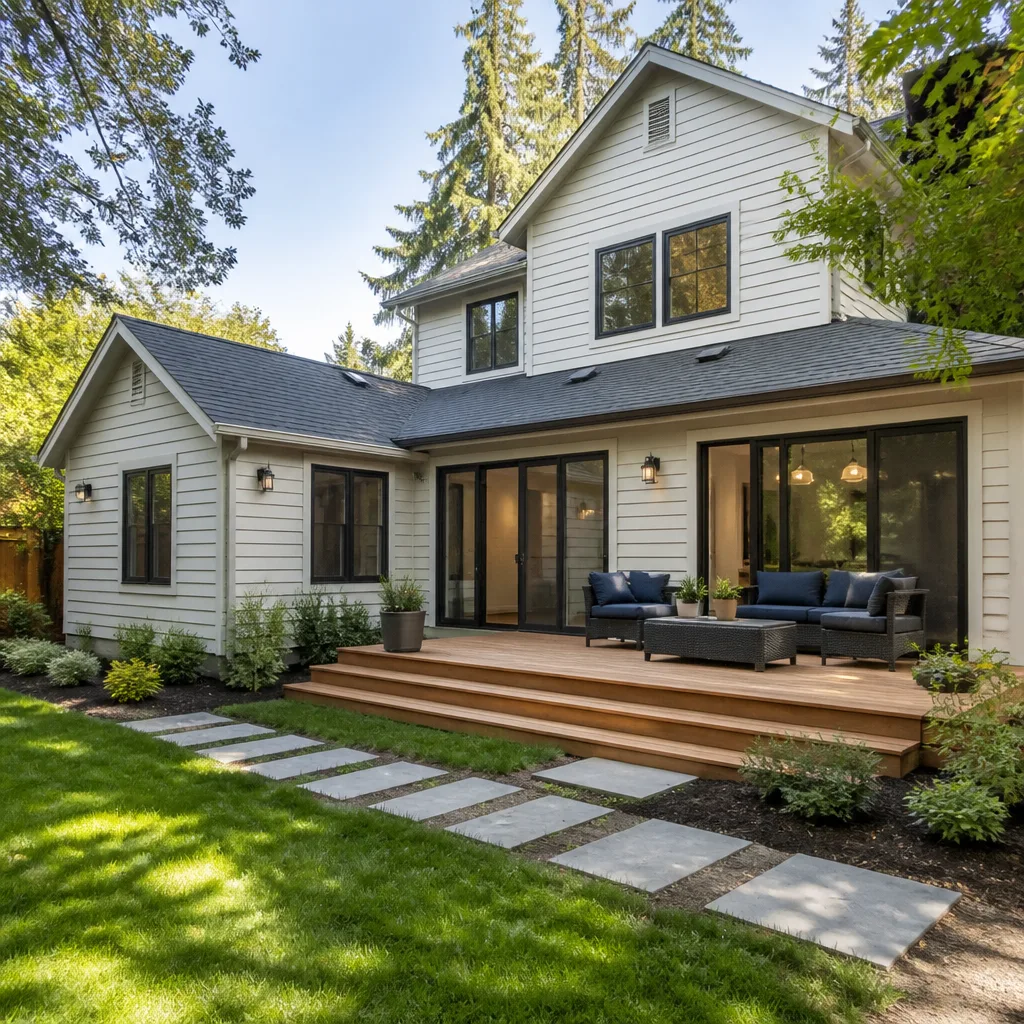
After Before
 After
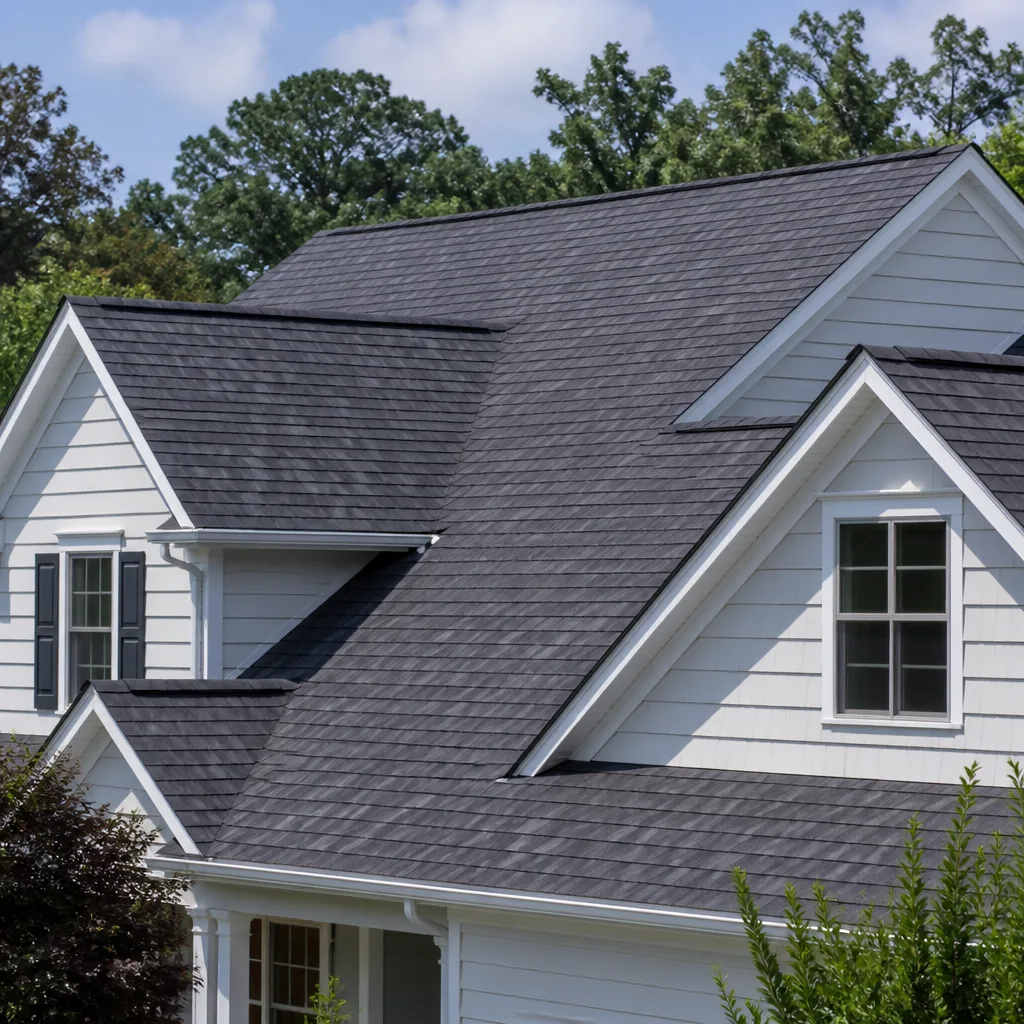
AfterHow to Hire a Construction Contractor in Boca Raton: A Step-by-Step Guide
Florida’s Department of Business and Professional Regulation logged over 4,000 contractor complaints statewide in a recent 12-month period. The most common pattern: a signed contract that lacked a payment schedule tied to verified milestones, giving the contractor leverage and the homeowner none. In Boca Raton, where a kitchen remodel on Royal Palm Way or a roof replacement in Hidden Lake can run well into six figures, the paperwork you sign matters more than the handshake you get. This guide teaches you to read the documents, not just the reviews. You’ll learn how to verify a license, what a protective contract actually contains, how to compare bids line by line, and the specific questions that expose a contractor’s real track record on budget and timeline. For more guides & resources, see our blog.
Quick Answer
To hire a construction contractor in Boca Raton, verify their Florida DBPR license classification matches your project type, request a written flat-price quote with scope and payment milestones before any work starts, and require signed change orders for any scope change. The contractors who finish within a few percent of their original price are the ones who treat these three documents as non-negotiable.
Table of Contents
- How to Verify a Florida Contractor License in Under Three Minutes
- What License Classifications Mean for Your Boca Raton Project
- What a Compliant Florida Contract Must Include (And What It Should Add)
- The Signed Change-Order Rule: Your Best Protection Against Budget Creep
- How to Evaluate a Bid Line by Line
- Reference Check Questions That Reveal the Real Track Record
- Boca Raton-Specific Considerations: Climate, Codes, and Market Conditions
- Common Mistakes to Avoid
- When to Call a Professional
- Frequently Asked Questions
- The Bottom Line
 Before
 After
AfterHow to Verify a Florida Contractor License in Under Three Minutes
Every legitimate construction contractor in Boca Raton must hold a license from Florida’s Department of Business and Professional Regulation (DBPR). The lookup takes less than three minutes and is free. Here’s the exact process:
- Go to myfloridalicense.com and click “Verify a License.”
- Enter the contractor’s name or license number. If they only give you a business name, search that too - but insist on the individual qualifier’s license, which is the one that actually matters.
- Check three things on the results page: License Status (must show “Current/Active”), License Type (must match your project - more on this below), and Complaint History (click “Complaints/Discipline” to see any enforcement actions).
- Cross-check the business name on the license against the name on the quote, the insurance certificate, and any advertising. Mismatches are common in Boca Raton, where a single qualifier license sometimes gets used across multiple unlicensed entities.
What you’re looking for beyond “active” is whether the license covers the actual work. A Certified General Contractor (CGC) can build a home addition in Boca Raton. A Certified Building Contractor (CBC) can too, but with some structural limitations. A Residential Contractor (RC) cannot legally build a commercial structure or, in some interpretations, certain types of detached accessory dwelling units. If your project involves roofing, the qualifier must hold a Roofing Contractor (CCC) license or subcontract to one who does - and that subcontractor’s name should appear in your contract.
We’ve reviewed competitor quotes in Boca Raton where the salesperson presented a CGC license but the actual permit was pulled under a different, inactive license number. The DBPR lookup exposes this in under three minutes. Do it every time, even for “referred” contractors.
What License Classifications Mean for Your Boca Raton Project
Florida’s contractor license types determine what a contractor can legally build, and the distinctions matter in Boca Raton’s mixed housing stock - from 1970s ranch homes in Boca Woods to new construction in Royal Palm Yacht & Country Club. Here’s what each classification actually covers:
- Certified General Contractor (CGC): Unlimited in scope. Can build, renovate, or repair any structure, commercial or residential. For a major home addition or ADU in Boca Raton, this is the broadest protection.
- Certified Building Contractor (CBC): Can build and repair commercial and residential structures up to three stories. Most single-family and low-rise multifamily work in Boca Raton falls here. Cannot do structural work on buildings over three stories.
- Residential Contractor (RC): Limited to residential construction of one, two, or three-family dwellings not exceeding two habitable stories. Fine for a kitchen remodel or bathroom renovation in a Boca Raton single-family home. Cannot build a commercial structure or, depending on local interpretation, some detached ADUs.
- Roofing Contractor (CCC): Required for any roof covering, repair, or replacement over $500. In Boca Raton’s hurricane-exposure zone, this is critical - and it’s a separate license that a general contractor cannot legally perform under their own license without a roofing subcontractor.
The license type should match or exceed your project scope. A kitchen remodel in a Boca Raton condo might only need an RC. A second-story addition in Palmetto Park requires a CGC or CBC. If you’re adding a detached ADU for rental income - increasingly common near Florida Atlantic University - verify whether your contractor’s license classification permits detached accessory structures, and whether Boca Raton’s zoning code even allows it on your lot.
Ask the contractor directly: “What license classification will the permit be pulled under, and can I see the current DBPR verification?” A contractor who hesitates or deflects to “we’ve got it covered” is telling you something.
What a Compliant Florida Contract Must Include (And What It Should Add)
Florida Statute 489.126 sets the legal minimum for construction contracts. Most Boca Raton homeowners assume a signed agreement means they’re protected. It doesn’t. The statute requires specific elements; missing any one gives the contractor an escape route you don’t want to discover mid-project.
Legally required under F.S. 489.126:
- The contractor’s name, address, and license number
- A detailed description of the work to be performed and materials to be used
- The total contract price or a statement of how the price will be calculated
- The date the work will begin and the estimated completion date
- A notice of the customer’s three-day right to cancel (for residential contracts solicited at the customer’s home)
- A statement that the contractor will pull all required permits
That’s the floor. A protective contract in Boca Raton’s high-value construction market should add several elements we’ve made standard under Rowan Construction Group Boca Raton home operations:
Payment schedule tied to verified milestones, not calendar dates. The dangerous contract says “50% deposit, 50% upon completion.” The protective contract says: “25% upon permit approval and material order confirmation, 25% upon rough inspection passage, 40% upon final inspection passage, 10% upon punch list completion.” This keeps leverage with the homeowner until verifiable quality gates are passed.
Written scope with material specifications by brand and model. “Granite countertops” is not a specification. “Cambria quartz countertop, Brittanica pattern, 3cm thickness, eased edge, with undermount Kohler K-20000 sink” is. In our experience across 4,000-plus projects, ambiguity in material specs generates more disputes than labor issues.
Lien release language. Florida’s construction lien laws are among the most aggressive in the country. Your contract should require the contractor to provide partial lien releases from all subcontractors and material suppliers with each payment, and a final release before the last payment clears. Without this, you could pay the contractor in full and still face a lien from an unpaid roofer or paver supplier.
Change-order procedure in writing. We’ll cover this in depth in the next section, but the contract itself must state that no work proceeds on any change until a written change order is signed by both parties. Verbal approvals are not valid under this agreement. Period.
Written warranty terms. Not “we stand behind our work.” Specific duration, specific coverage, specific remedy. Our 365-Day Done Right Promise is printed on every page and backed by a terms page, not an asterisk - because a warranty you can’t produce on request is not a warranty.
The Signed Change-Order Rule: Your Best Protection Against Budget Creep
The single largest source of cost overruns in Boca Raton construction projects is not material price spikes or hidden structural damage. It’s scope changes approved verbally, implemented immediately, and priced after the fact. The homeowner says “while you’re opening that wall, can we move the island two feet?” The contractor says “sure, no problem.” Three weeks later, a $4,200 charge appears on the invoice with no prior documentation.
This pattern is so consistent that we’ve made it impossible in our operation. Under Clause 1 of the Haven Standard, no work proceeds on a change until the change order is signed. The administrative discipline Haven acquired Rowan for in 2007, and the reason our projects finish within a few percent of the agreed cost across 4,000-plus jobs.
Here’s what a proper change order contains, and what you should demand from any Boca Raton contractor:
- Description of the change. Specific, not summary. “Relocate kitchen island 24 inches east, extend electrical rough-in by 8 feet, modify Cambria countertop template” - not “island move.”
- Net price change. The additional cost (or credit, if scope is reduced), with line-item breakdown of labor, materials, and any permit or inspection impacts.
- Impact on timeline. Days added or subtracted from the completion date, with reason.
- Revised total contract price. Running total, not just the delta. You should see the new bottom line every time.
- Signatures of both parties, dated. Both. Not the contractor’s signature alone. Not an email saying “approved.” A signed document.
In Boca Raton’s active remodeling market, where material lead times for cabinets and countertops can stretch 8-12 weeks, a change order signed today might not be implementable for months. The signed document protects both parties: the homeowner from surprise charges, the contractor from doing uncompensated work. Any contractor who resists this process is telling you how they make their margin.
We’ve reviewed competitor projects in Boca Raton where the final invoice exceeded the original contract by 40% or more, with every overrun traced to verbal approvals the homeowner didn’t remember giving. The signed change-order requirement eliminates this entirely. Demand it in writing before the first wall comes down.
How to Evaluate a Bid Line by Line
Two bids for the same Boca Raton kitchen remodel, both at $78,000, can represent radically different risk profiles. The difference is in the line items, the allowances, and the exclusions. Here’s how to read them like a contractor does.
Start with what’s included, not the total. A lower bid often achieves its number by excluding necessary work. We’ve seen roof replacement quotes in Boca Raton that included shingles and labor but excluded permit fees, dumpster rental, and plywood deck replacement - items that can add $4,000-$8,000 to the actual cost. Line-item comparison reveals this.
Understand allowances. An allowance is a placeholder, not a price. “Tile allowance: $3,500” means the contractor has budgeted $3,500 for tile at a specific price per square foot, usually based on a builder-grade selection. If you choose a $12/sf porcelain instead of the $4/sf ceramic the allowance assumes, you pay the difference - plus the contractor’s markup on the difference. In Boca Raton, where many homeowners select premium materials from showrooms on Federal Highway or in Delray Beach, allowance overruns are common.
A protective bid specifies allowances by brand tier or price point: “Cabinet allowance: KraftMaid Vantage series or equivalent, $8,200.” This lets you shop accurately. A vague bid says “cabinets: $8,000” and leaves you exposed.
Compare material specifications, not just quantities. Two bids for Roofing in Boca Raton might both say “30 squares of shingles.” One specifies GAF Timberline HDZ with System Plus warranty, synthetic underlayment, and drip edge on all eaves and rakes. The other specifies three-tab shingles, felt underlayment, and drip edge on eaves only. The first bid is buying 25 years of performance; the second is buying a permit-passing minimum.
Check the exclusion clause. Every bid should list what’s not included. Common exclusions in Boca Raton: tree removal for access, asbestos abatement in pre-1980 homes, soil correction for paver installation, and hurricane shutter removal/replacement during window projects. The bid with the longer exclusion list isn’t necessarily worse - it’s more honest. The dangerous bid has no exclusions, implying everything is covered, then invoices for “unforeseen conditions” later.
Verify the permit and inspection line item. In Boca Raton, permit costs vary by project type and valuation. A legitimate bid either includes permit fees explicitly or states “permit fees excluded, actual cost plus 10% administrative fee.” A bid with no mention of permits is a red flag - either the contractor plans to work without them (illegal for projects over $1,000 in Florida) or intends to surprise you with the cost later.
Our Free Second Opinion on Any Written Estimate: Bring a competitor’s quote and we’ll review it line by line at no charge. We’ve found $12,000 in hidden exclusions on a $45,000 bathroom remodel quote in Mizner Park, and $8,500 in allowance shortfalls on a kitchen bid in Boca Pointe. The review takes 30 minutes. The savings are real.
Reference Check Questions That Reveal the Real Track Record
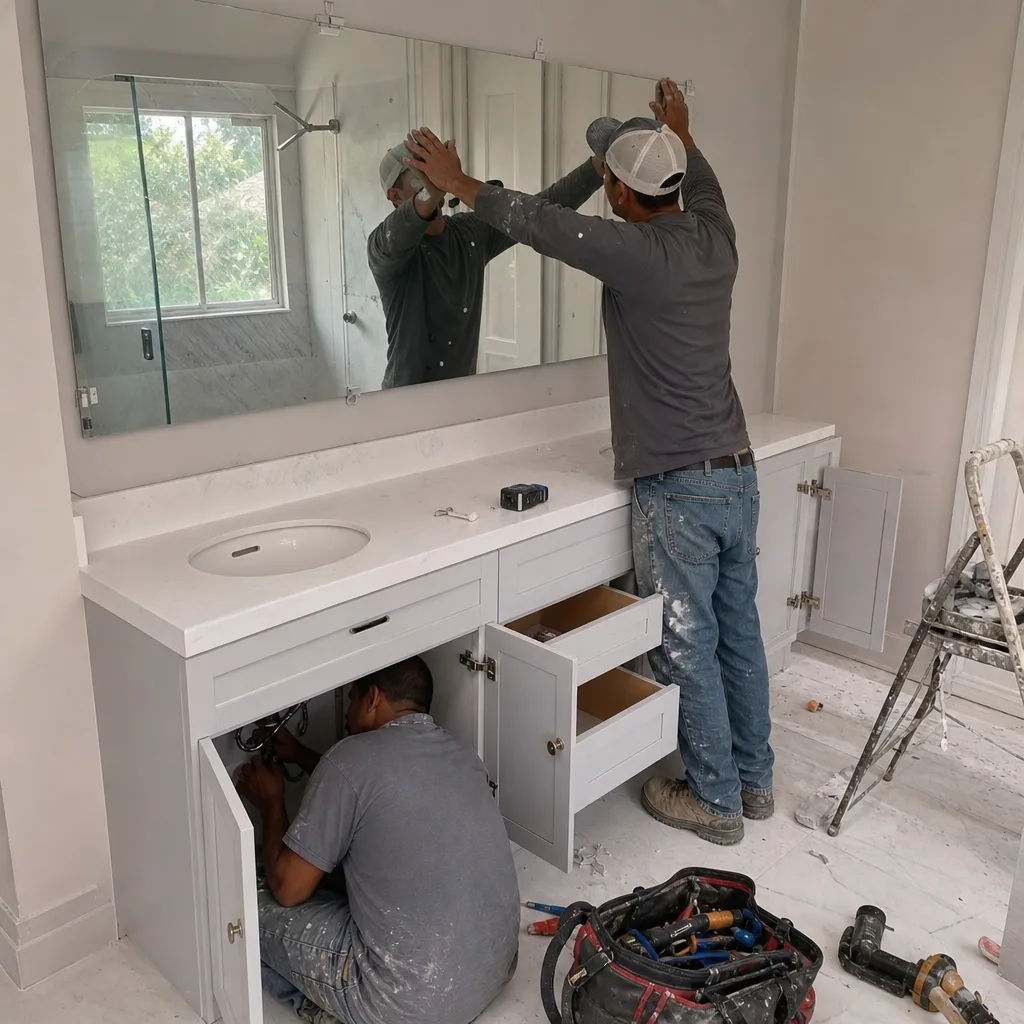
“Were you happy with the work?” is the reference check question that tells you almost nothing. Every contractor has three customers who will say yes. The questions that matter expose patterns the contractor can’t control for:
- “What was your original contract price, and what was your final invoice amount - including all change orders?” You’re looking for percentage variance, not absolute dollars. Under 5% variance indicates strong project control. Over 15% suggests either poor estimating or aggressive change-order selling. Ask for the specific numbers.
- “How many days did the project take versus the original completion date?” In Boca Raton, where afternoon thunderstorms can interrupt exterior work and material deliveries from Miami-Dade suppliers can delay interior phases, some slippage is normal. 10-15% over schedule is acceptable for weather-dependent trades. 50% over suggests either poor planning or the contractor juggling too many jobs.
- “Did the permits pass inspection on the first try, or were there re-inspections?” Failed inspections cost time and sometimes money. A pattern of re-inspections suggests either sloppy work or a contractor who pulls permits before plans are complete. In Boca Raton, where the Building Department enforces Florida Building Code plus local amendments, first-time passage is a meaningful quality signal.
- “Who actually supervised the crew on site day to day?” The salesperson who signed the contract is rarely the person managing subs. You want to know whether an employee or the owner visited regularly, whether photos were documented, and whether you had a single point of contact for questions. Our standard includes a documented photo record on every visit, included, not optional - so the customer leaves with evidence of what was found and what was done.
- “Would you hire them again for a different project?” This separates satisfaction from enthusiasm. A customer who says “yes, and here’s what I’d do differently” is giving you actionable intelligence. A customer who hesitates or qualifies their answer is telling you something the star rating won’t.
Ask for references from projects completed 12-24 months ago, not last month. The immediate post-completion glow fades, and long-term performance - whether caulking held, whether cabinets settled properly, whether the roof leaked in the first hurricane season - is what matters in Boca Raton’s climate.
Boca Raton-Specific Considerations: Climate, Codes, and Market Conditions
Boca Raton’s construction environment has specific characteristics that affect contractor selection and project planning. Understanding them helps you evaluate bids and timelines accurately. For year-round guidance, see Seasonal Construction Care for Boca Raton: Year-Round Homeowner’s Guide.
Hurricane exposure and wind-borne debris requirements. Palm Beach County, including Boca Raton, is in a High-Velocity Hurricane Zone (HVHZ) for the Florida Building Code. Windows and doors must meet specific impact ratings or be protected by approved shutters. Roofing must achieve enhanced uplift resistance. A contractor who submits a standard product quote without HVHZ verification is either uninformed or hoping the inspector doesn’t catch it. We specify GAF and Owens Corning roofing systems with HVHZ-approved installation methods, and source impact-rated windows from manufacturers with Miami-Dade Notice of Acceptance.
Soil and drainage conditions. Much of Boca Raton sits on sandy coastal soils with high water tables, particularly east of Federal Highway. For Kitchen Remodeling in Boca Raton or additions, this rarely matters. For paver installations, pool decks, and foundation work, it matters significantly. Belgard and Techo-Bloc pavers require proper base preparation - typically 6-8 inches of compacted limerock in our market - to prevent settling and pooling. A bid that doesn’t specify base depth and compaction method is incomplete.
Seasonal timing. South Florida’s wet season runs June through October. Exterior projects - roofing, window replacement, paver installation - face more weather delays in these months. Interior projects face less impact. If you’re planning a roof replacement in Boca Raton, November through May offers more predictable scheduling. That said, a contractor with proper crew sizing and material staging can work year-round; the question is whether they’ve planned for it in their timeline.
Material supply chains. Boca Raton’s proximity to Miami-Dade’s distribution hub is an advantage for many products, but specialty items - custom cabinets, certain quartz patterns, impact-rated door systems - still carry 8-16 week lead times. A contractor who promises a 6-week kitchen remodel without confirming cabinet delivery dates is selling a timeline, not a plan. Our written quotes include material lead times by line item, with schedule contingent on confirmed delivery.
Neighborhood-specific considerations. Homes in Old Floresta (1920s-30s) may contain asbestos siding or lead paint requiring abatement. Country Club Village and Royal Palm Yacht & Country Club properties often have homeowners association architectural review requirements that add 2-4 weeks to project start. The Shores and Boca Harbour homes may require barge access for material delivery, affecting cost. A Boca Raton contractor who doesn’t ask about your specific neighborhood is not planning specifically enough.
Common Mistakes to Avoid
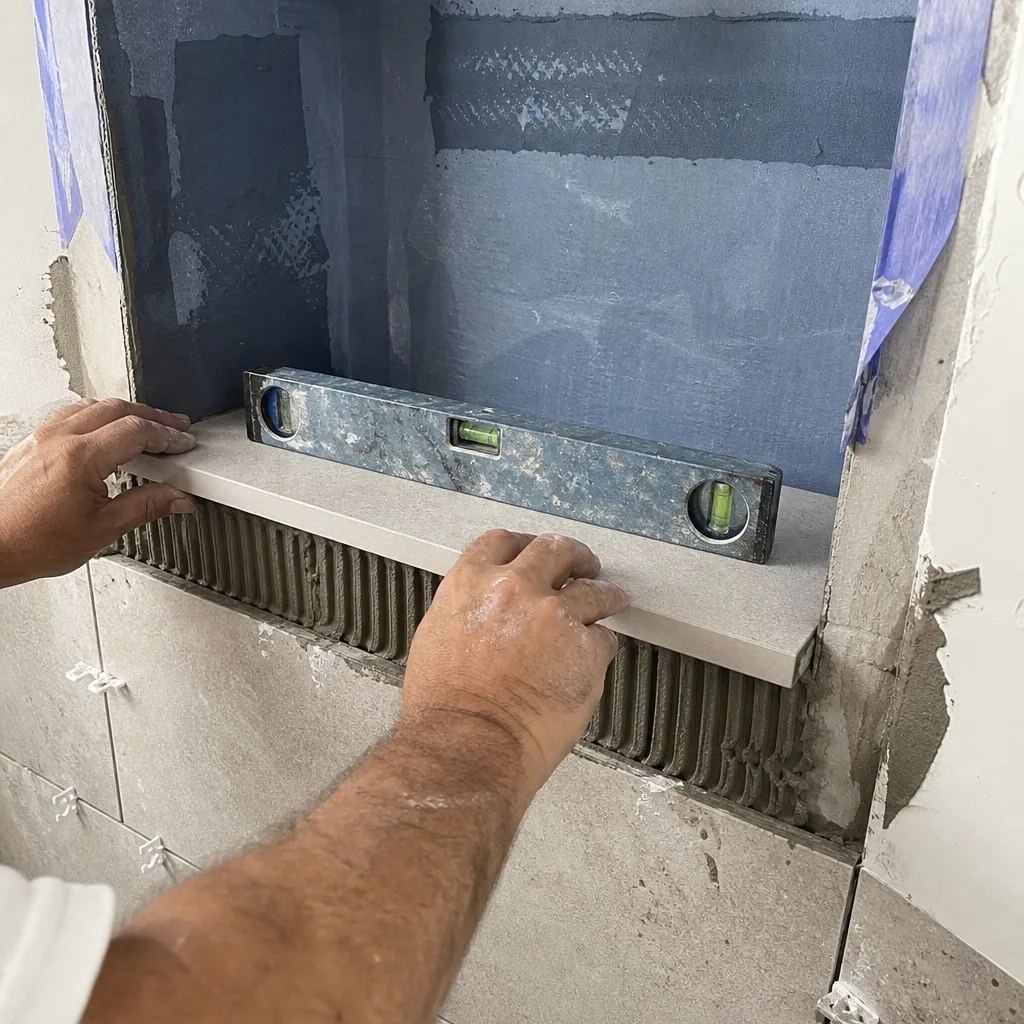
- Paying more than 10% deposit or $1,000 before work begins, whichever is less. Florida law limits residential construction deposits to this amount. Contractors who demand 25% or 50% upfront are either undercapitalized or planning to use your funds to finish someone else’s job.
- Accepting a “verbal ballpark” instead of a written flat price. In Boca Raton’s competitive market, some contractors lowball verbally to win the meeting, then inflate in writing. Under Clause 1 of the Haven Standard, a written price is delivered before any work starts, every time - because “call for a quote” is not an option here.
- Not verifying the permit was actually pulled. Ask for the permit application number and confirm it on the City of Boca Raton’s online permit portal. Unpermitted work must be disclosed on sale and can trigger insurance issues.
- Ignoring the exclusion list. The lowest bid often wins by excluding necessary work. Read what’s not included as carefully as what is.
- Signing a contract with no completion date or a “weather permitting” escape clause. South Florida’s afternoon storms are predictable. A contractor who uses weather as an open-ended delay excuse has not planned realistically.
- Not requiring lien releases with each payment. Florida’s lien laws allow unpaid subcontractors to file against your property even if you paid the general contractor in full. Partial releases protect you; final release is mandatory before last payment.
- Choosing based on the lowest bid without line-item comparison. Two bids with the same total can represent $15,000 in material quality difference. Compare specifications, not just numbers.
When to Call a Professional
Some projects in Boca Raton require a licensed contractor by law - any structural work, electrical, plumbing, roofing over $500, and any project requiring a permit. Others are technically DIY-legal but practically unwise: tile setting in a steam shower (membrane failure means mold behind walls), window installation in an HVHZ zone (improper fastening voids insurance coverage), and any work involving load-bearing walls or engineered trusses.
Rowan Construction Group Boca Raton offers free estimates in Boca Raton. Call (754) 254-8065 to schedule yours. We’ll review your project scope, confirm the correct license classification, and deliver a written flat-price quote with line-item specifications before any work starts. For a broader overview, read The Complete Guide to Construction in Boca Raton. For projects already quoted elsewhere, our Free Second Opinion reviews competitor estimates line by line at no charge.
Frequently Asked Questions
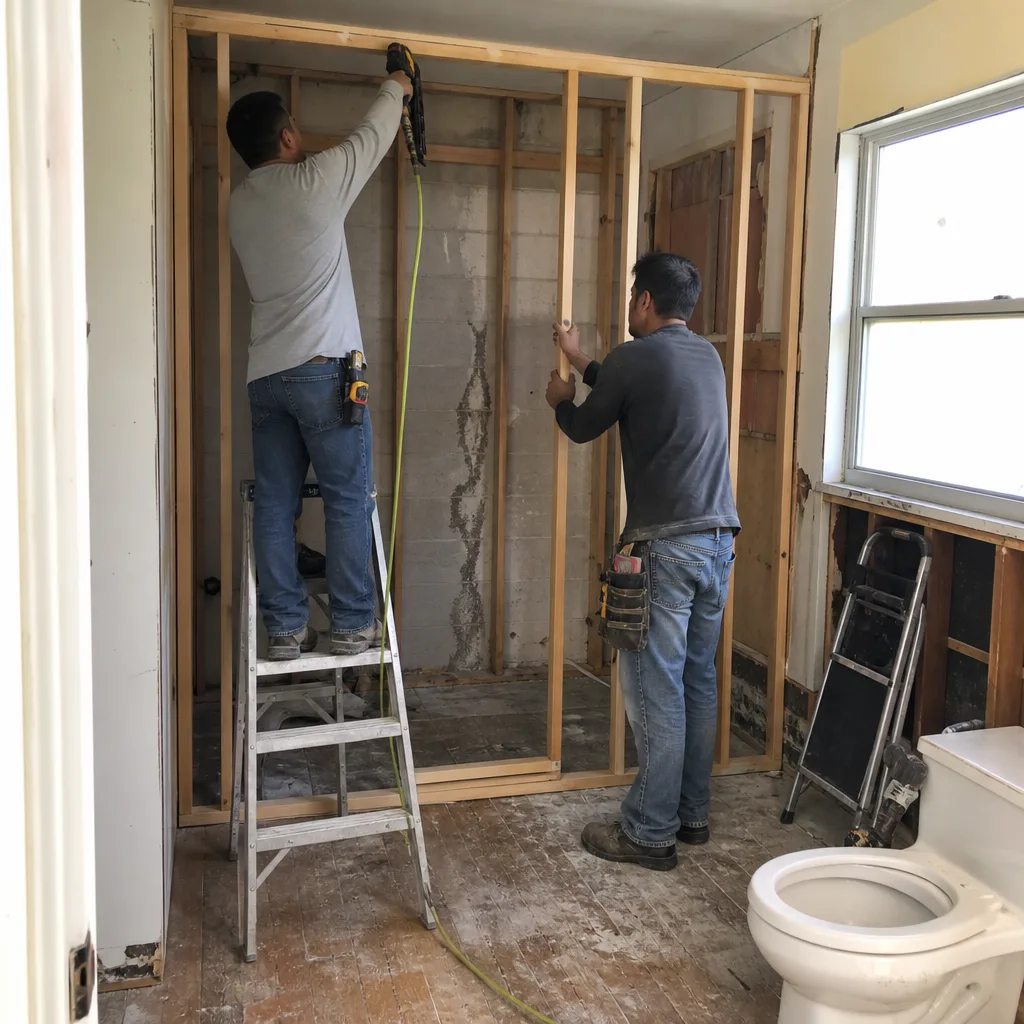
Project costs in Boca Raton typically range from $25,000-$45,000 for a bathroom remodel, $55,000-$120,000 for a kitchen remodel, $18,000-$35,000 for a roof replacement on a 2,500 square foot home, and $150,000-$400,000 for a home addition or ADU depending on square footage and finish level. These ranges reflect 2024-2025 material and labor costs in Palm Beach County; your specific project may vary based on existing conditions, material selections, and permit requirements. Call (754) 254-8065 for an exact quote - estimates are free.
It shouldn’t, if the contract is written properly. Under our Haven Standard, no work proceeds on a change until the change order is signed - the administrative discipline that has kept our projects within a few percent of the agreed cost across 4,000-plus jobs. The only legitimate price changes are for concealed conditions (termite damage behind walls, for example) that couldn’t be discovered during initial inspection, and even these should be documented with photos and a signed amendment before remediation work proceeds.
Yes. Every project requiring a permit is permitted in the contractor’s name, not the homeowner’s. This is legally required in Florida and protects you from liability. We include permit fees and inspection scheduling in our written quotes, with all inspections passed before final payment is due. You can verify any active permit on the City of Boca Raton’s online portal using the address or permit number we provide.
Timeline depends on project type, material lead times, and inspection scheduling. A typical Bathroom Remodeling in Boca Raton takes 3-5 weeks of construction after material delivery. A kitchen remodel takes 6-10 weeks. Roofing on a standard single-family home takes 2-4 days of installation, plus permit and inspection time. Home additions and ADUs range from 4-8 months depending on complexity and zoning approval requirements. Our written quotes include a milestone schedule with material delivery dates, construction phases, and inspection points - not just a completion date.
An estimate is an approximation, often based on assumptions that shift during the project. A quote is a fixed price for a defined scope. We deliver written flat-price quotes, not estimates, because a number the customer can screenshot and compare is the starting point for trust. The quote includes line-item material specifications, labor, permits, and a payment schedule tied to verified milestones. If the scope doesn’t change, the price doesn’t change.
Verify through the Florida DBPR online license lookup at myfloridalicense.com. Check that the license status is “Current/Active,” the license type matches your project (CGC for major construction, RC for residential remodeling, CCC for roofing), and the business name matches your contract and insurance certificate. The lookup takes under three minutes and is free. Never accept a license “number” verbally without verifying it online - we’ve seen inactive numbers presented as current in Boca Raton.
The Bottom Line
The contractor who delivers on budget in Boca Raton is distinguishable from the one who doesn’t before any wall comes down. The difference is visible in three documents: a verified DBPR license matching your project type, a written contract with payment milestones tied to inspections, and a signed change-order requirement that eliminates verbal scope creep. Read these documents carefully. Compare bids line by line, not total to total. Ask reference questions about budget variance and permit timelines, not just satisfaction. And never pay more than the legal deposit limit before work begins.
At Rowan Construction Group, we’ve operated under these disciplines since 2007 - written price before any work starts, signed change orders for every scope change, documented photo records on every visit, and the 365-Day Done Right Promise printed on every page. The proof is in the paperwork. Ask to see it.
Written by Grant Rowan, Owner at Rowan Construction Group Boca Raton, serving Boca Raton since 2007.