
Last updated September 25, 2026
Free written scope consultation - allowances, timeline, and change-order rules on paper before a single trade is scheduled



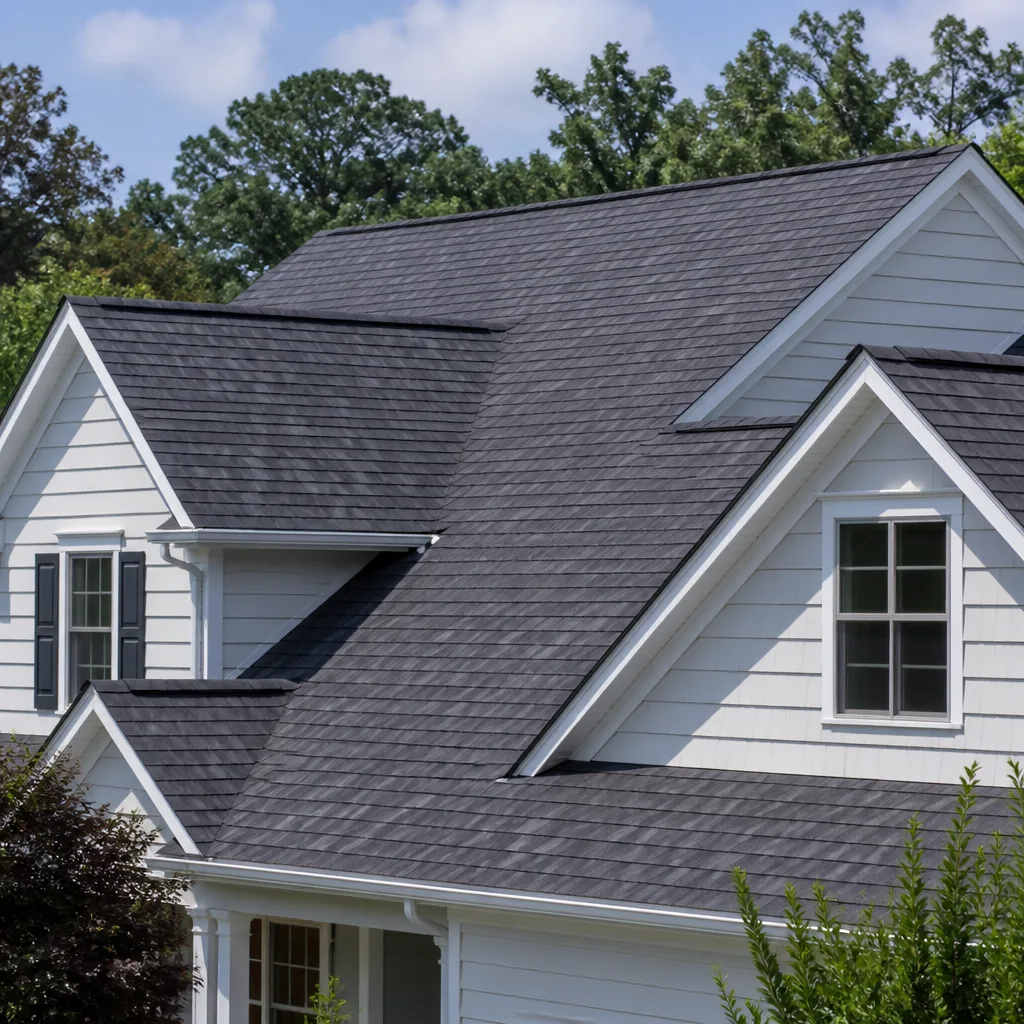
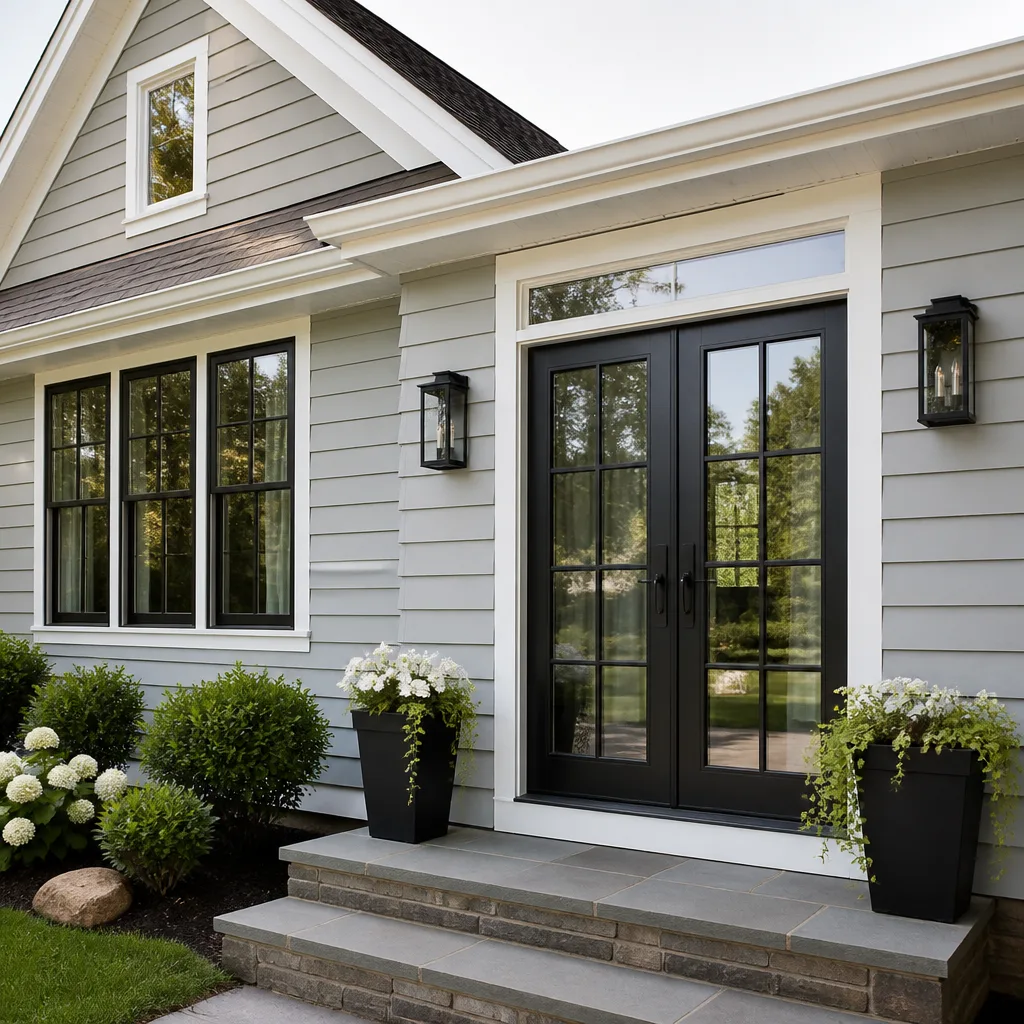
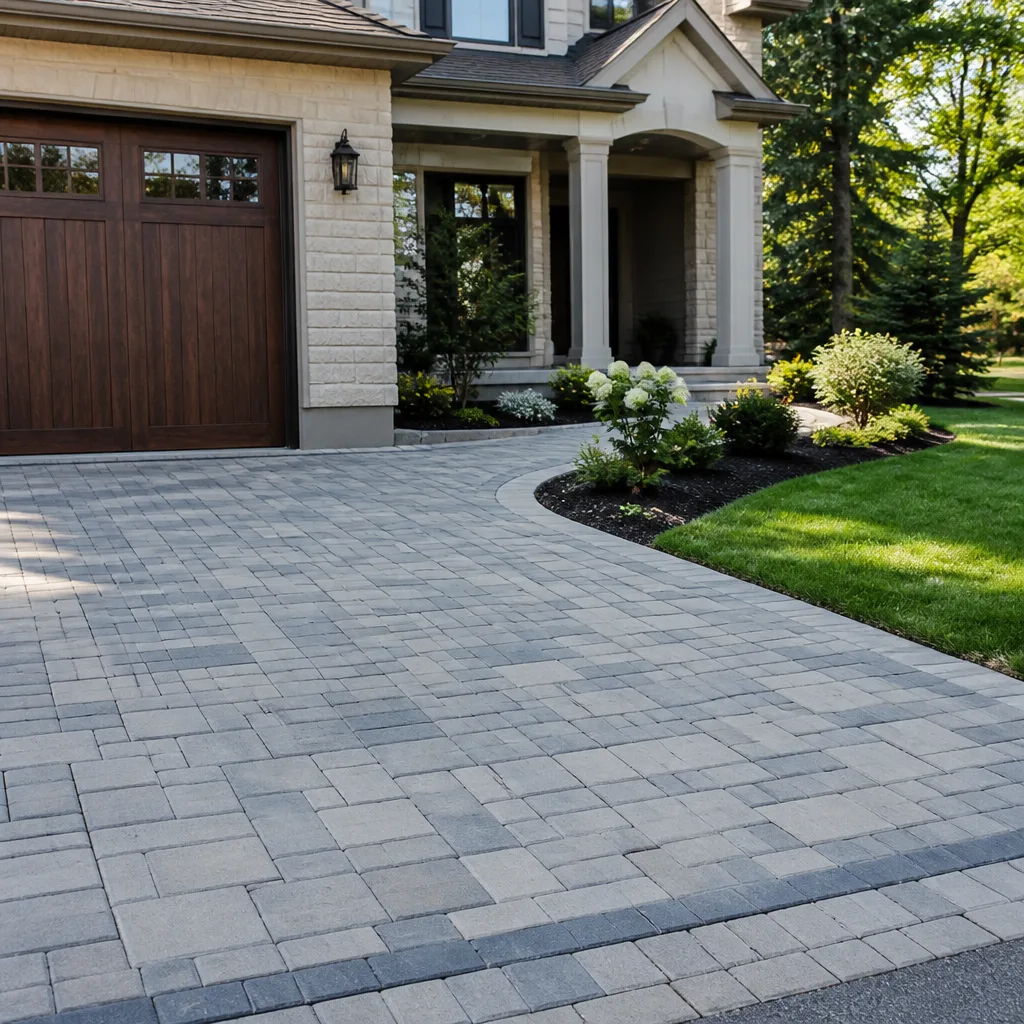
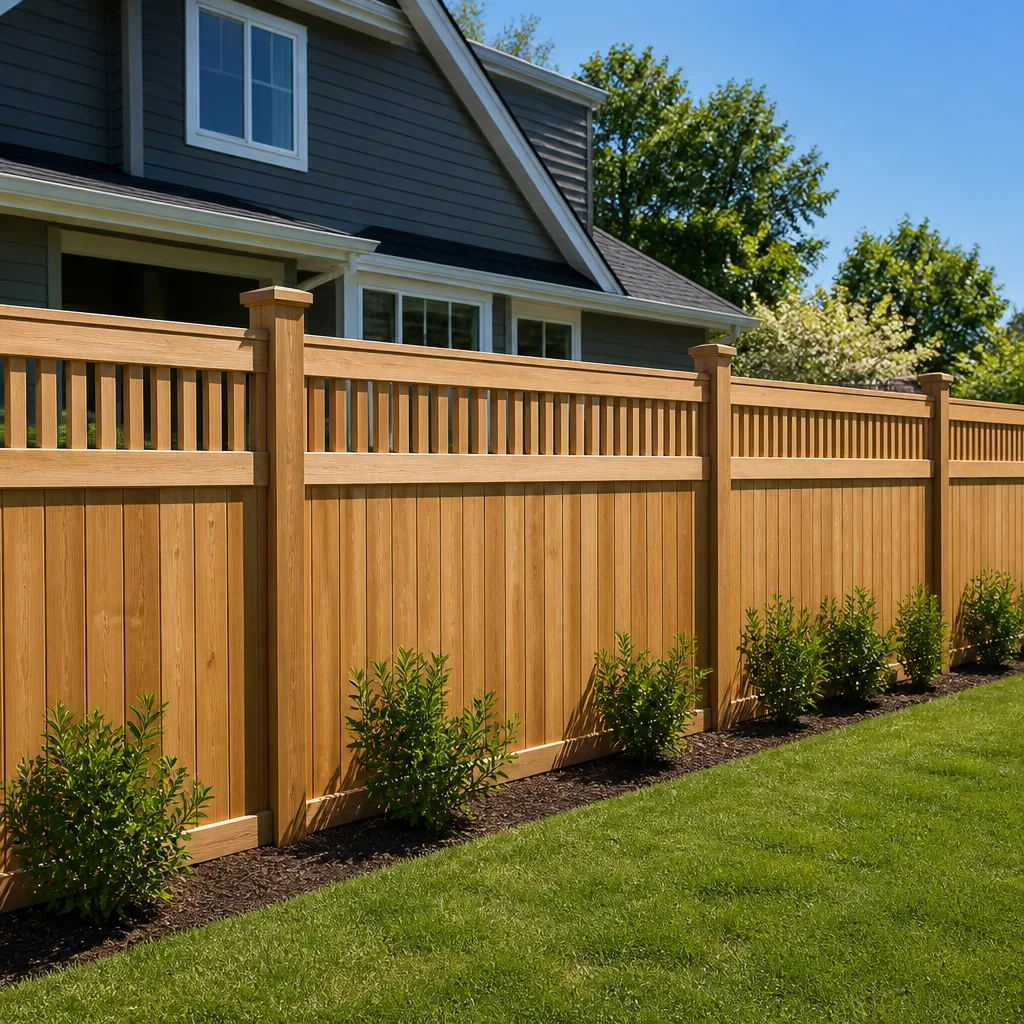
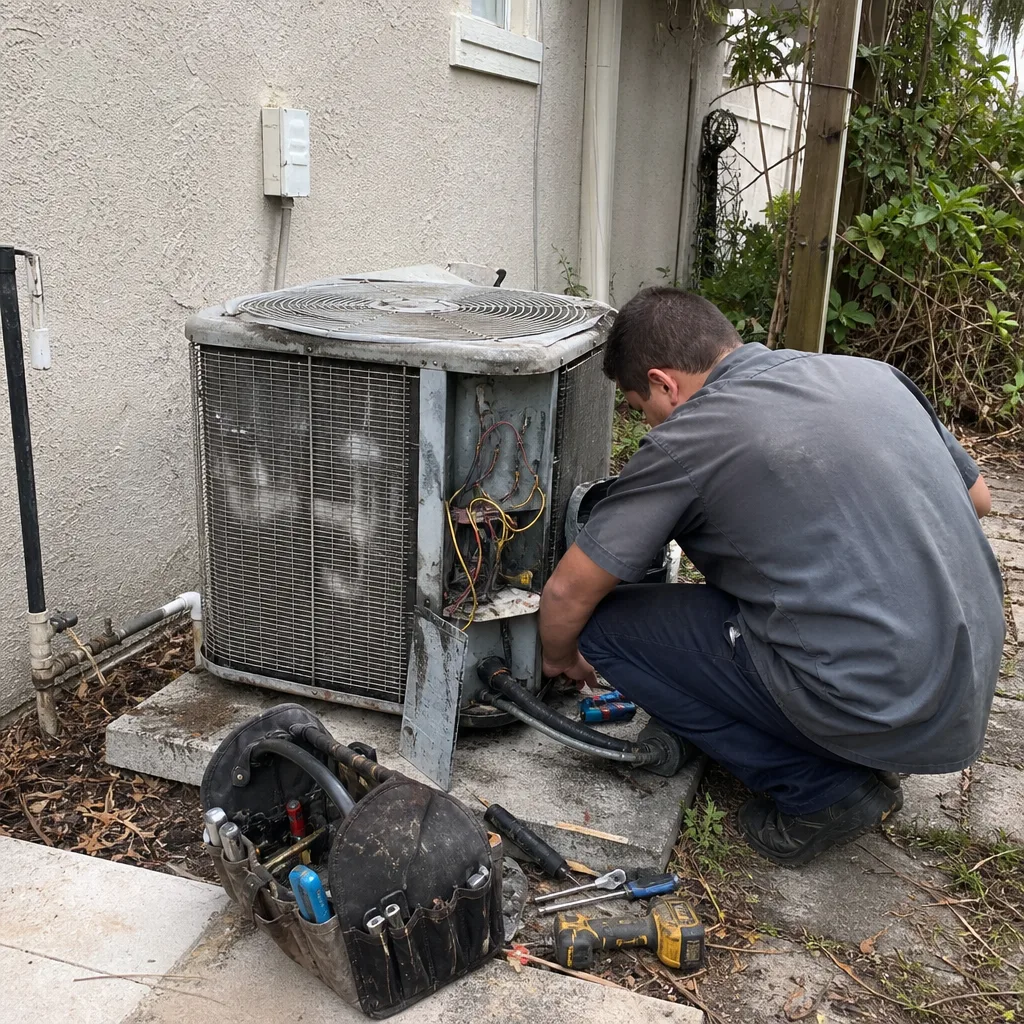 Before
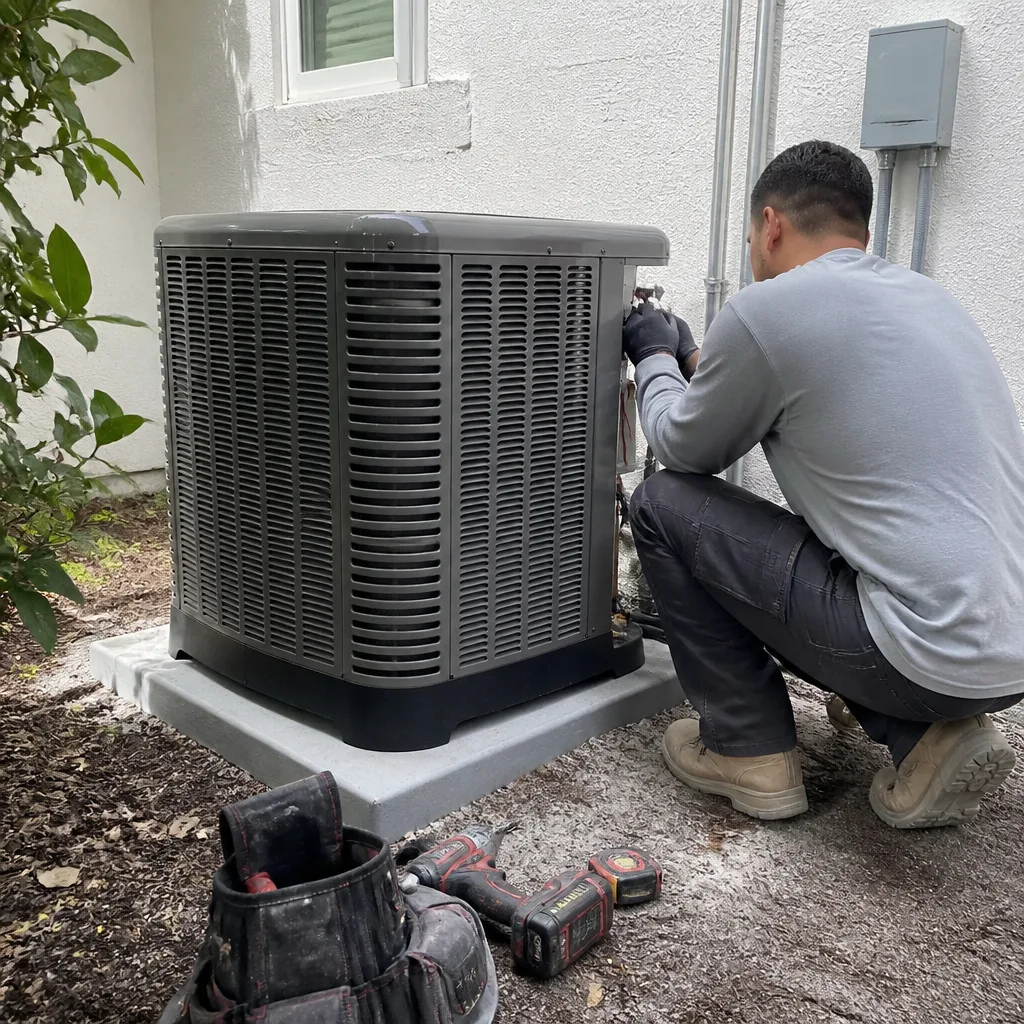 After
After Before
 After
After Before
 After
AfterSeasonal Construction Care for Boca Raton: Year-Round Homeowner’s Guide
June through October in Boca Raton delivers an average of 33 inches of rain - more than Seattle gets in a full year - concentrated into a six-month window that stress-tests roofing, drainage, window seals, and exterior finishes simultaneously. Most maintenance guides written for national audiences treat this as summer; it isn’t. This guide organizes construction care around Boca Raton’s actual climate calendar: a wet season and a dry season, each with distinct demands on your home’s systems. You’ll learn what to inspect before the rains arrive, what to monitor while they’re falling, what damage they leave behind, and why November through April is the only window for certain exterior projects.
Quick Answer
Seasonal construction care in Boca Raton means preparing your home’s exterior systems for a six-month wet season (June-October) that delivers 33+ inches of rain, then using the dry season (November-April) for exterior projects that need low humidity to cure properly. The work breaks into three phases: pre-wet-season inspection and sealing in April-May, weekly monitoring for water intrusion during the rains, and post-season assessment plus scheduled construction during the dry months.
Table of Contents
- Pre-Wet-Season Checklist: April-May
- During Wet Season: What to Monitor Weekly vs. Monthly
- Post-Wet-Season Assessment: November
- Dry Season Construction Window: November-April
- Salt-Air Maintenance for Coastal Boca Properties
- Common Mistakes to Avoid
- When to Call a Professional
- Frequently Asked Questions
 Before
 After
AfterPre-Wet-Season Checklist: April-May
The six weeks before the rains arrive are the most consequential maintenance window in Boca Raton. We’ve inspected thousands of homes in Palm Beach County since 2007, and the pattern is consistent: the damage that shows up in July started as a small gap in April.
Here’s what we check, with pass/fail criteria you can apply yourself or verify against any contractor’s report:
Roof Flashing and Penetrations
Flashing is the metal (typically aluminum or galvanized steel) that seals where the roof meets a vertical surface - chimneys, vent stacks, skylights, and wall intersections. In Boca Raton’s wind-driven rain environment, flashing is the single most common leak source we document.
Pass criteria: flashing lies flat against the roof plane with no lifted corners, no gaps wider than 1/8 inch at the sealant bead, and no rust-through on metal surfaces. Fail criteria: lifted edges, cracked or missing sealant, visible daylight through gaps, or any rust perforation. We photograph every penetration from two angles; under Clause 1 of the Haven Standard, the customer receives these images before any work is proposed.
Soffit and Fascia Condition
Soffits are the horizontal boards under your eaves; fascia is the vertical board where gutters mount. Together they manage attic ventilation and prevent wind-driven rain from entering the roof edge.
Pass criteria: soffit vents are unblocked by paint or debris, no soft spots or fungal staining on wood surfaces, fascia boards are firmly attached with no separation from rafter tails. Fail criteria: blocked vents (attic temperature will spike 20-40°F), punky or stained wood, loose boards that move when pressed. In Boca Raton’s humidity, we see more soffit decay from blocked ventilation than from direct water exposure.
French Drain and Swale Clearance
Boca Raton’s flat terrain and high water table make surface drainage dependent on engineered systems. French drains (perforated pipe in gravel trenches) and swales (shallow graded depressions) move water away from foundations.
Pass criteria: swales carry water 10+ feet from foundation without pooling, drain inlets are visible and unburied, no standing water 24 hours after a rain. Fail criteria: water pooling within 6 feet of foundation, buried or clogged drain grates, sediment accumulation in swale channels. In neighborhoods like Boca Del Mar and Woodfield Country Club, we’ve found mature landscaping roots completely blocking 4-inch drain lines - a failure that only shows during the first major storm.
Window and Door Seal Testing
Modern impact-rated windows and doors in Boca Raton still rely on continuous sealant beads and weatherstripping to manage water. The test is simple and should be done before June.
- Close and lock each operable window. Run a strip of paper between sash and frame; it should resist pulling with moderate tension.
- Inspect exterior sealant beads at frame-to-wall junctions. Pass: continuous bead, no cracks wider than 1/16 inch, no separation from substrate. Fail: discontinuous coverage, cracking, or adhesion loss.
- Check door thresholds for level and seal compression. Pass: door compresses weatherstrip evenly across full width. Fail: visible gaps under door corners or threshold rot.
We document seal conditions with dated photos. In our experience, window leaks in Boca Raton’s summer storms almost always start at the upper corners where sealant was thin or missing during original installation.
During Wet Season: What to Monitor Weekly vs. Monthly
Once the pattern shifts in June, your role changes from prevention to detection. The goal is catching intrusion before it becomes interior damage.
Weekly Monitoring (5 Minutes After Heavy Rain)
- Window corners: Check the interior drywall at upper corners of windows for discoloration or bubbling. In Boca Raton’s wind-driven rain, water enters at the exterior seal and travels along the top of the window frame before dropping at the corner. Early signs are subtle - a slight color shift in paint, not yet soft to touch.
- Stucco cracking patterns: New hairline cracks are normal; directional cracking is not. Horizontal cracks at mid-wall height or stair-step cracks at corners indicate moisture movement behind the stucco. Photograph monthly to compare progression.
- HVAC condensate line flow: The white PVC pipe exiting your air handler should drip steadily during cooling cycles. No flow means a clog; backup will trigger the float switch and shut the system, or overflow into the pan and ceiling below. In Boca Raton’s 90°F+ days with 80% relative humidity, condensate volume is substantial - a 3-ton system generates 2-3 gallons daily.
Monthly Monitoring (30 Minutes)
- Attic access inspection: Look for dampness on insulation, rust on nail points, or daylight through roof penetrations. Use a flashlight; moisture on insulation shimmers. In our Boca Raton inspections, we find that ridge vent installations from the 2000s often leak at the peak during wind-driven rain - the water runs down the underside of sheathing and may not reach insulation for months.
- Gutter and downspout function: Even “maintenance-free” gutters accumulate helicopter seeds and palm debris. Overflow at corners indicates blockage; water running behind gutters indicates hanger failure or incorrect flashing. Check that downspouts discharge 6+ feet from foundation or into functional drains.
- Exterior door and garage door seal performance: After heavy rain, check the floor just inside each exterior door for dampness. Garage door bottom seals compress over time; replacement is a 15-minute task that prevents significant slab moisture intrusion.
We’ve documented photo records on every wet-season visit since 2007. The pattern in Boca Raton is clear: the homeowners who catch issues in June avoid the drywall repairs of September.
Post-Wet-Season Assessment: November
November is the pivot point. The rains taper, humidity drops from 85% to 70%, and the damage left behind becomes assessable. Some of it isn’t visible without deliberate inspection.
Attic Moisture Levels
We use moisture meters on roof sheathing and rafter surfaces in November. Readings above 20% indicate ongoing wetting that didn’t dry during summer. In Boca Raton’s climate, sheathing moisture above 25% for extended periods supports mold growth and reduces fastener holding capacity. The fix is usually ventilation improvement - adding soffit vents, ridge vents, or powered attic fans - not roof replacement. We measure and photograph every reading; the customer receives the documentation.
Exterior Paint Adhesion
Paint failure from wet-season moisture shows up months later. Test adhesion by pressing tape firmly to painted surfaces and removing quickly - following ASTM D3359 standards. Significant paint removal indicates poor adhesion that will accelerate through winter. In Boca Raton, we see this most on north and east elevations where surfaces stay damp longest, and on stucco that was painted before full curing (28 days minimum for Portland cement stucco).
Driveway and Paver Settlement
Sandy soils in Boca Raton shift with moisture changes. November is when settlement patterns stabilize enough to evaluate. Look for:
- New cracking in concrete driveways, especially diagonal cracks from corners
- Paver areas with visible dips or raised edges where bedding sand has migrated
- Pooling that wasn’t present in April - indicates grade change
Minor settlement is addressable with polymeric sand replenishment or localized lifting. Significant settlement near foundations warrants evaluation. We’ve replaced driveway sections in Boca Raton communities where the original base was shell rock without adequate compaction - the wet season reveals what the dry season concealed.
Dry Season Construction Window: November-April
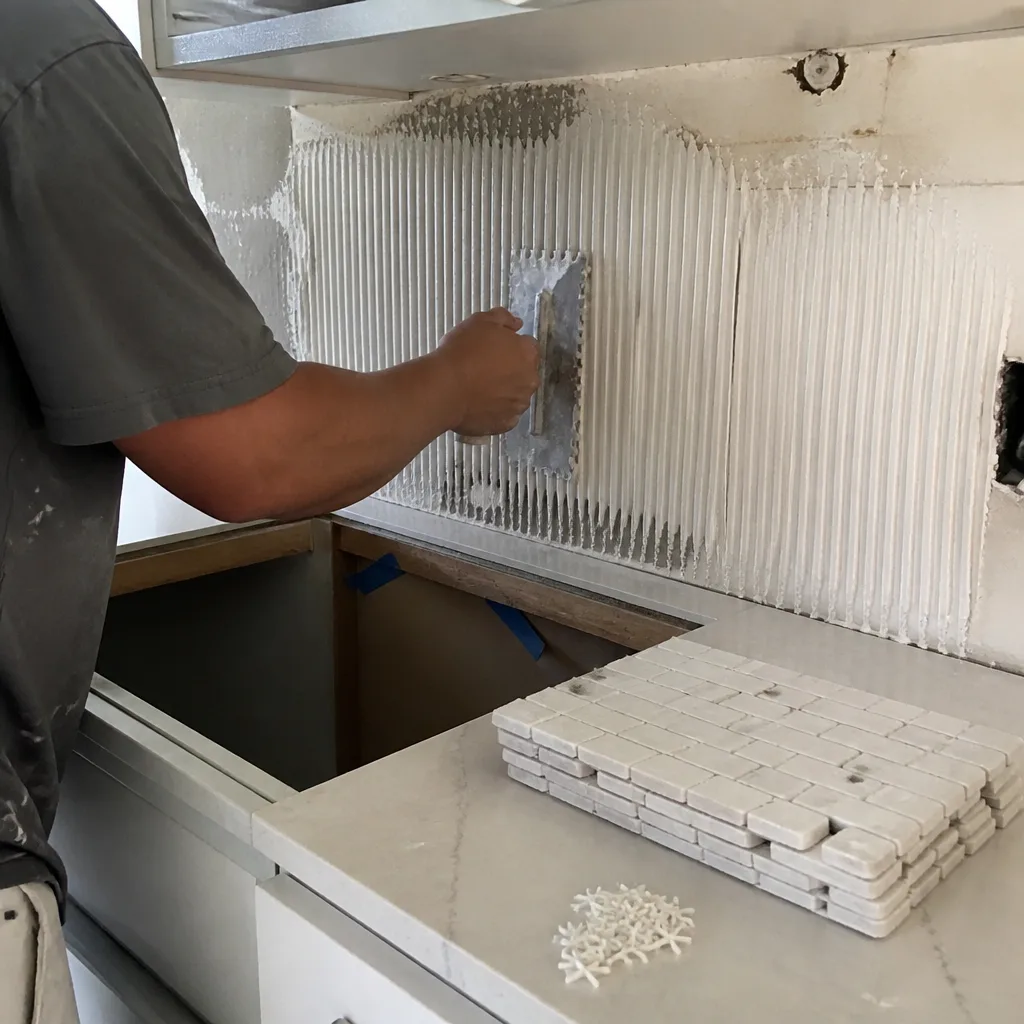
This is when exterior projects should happen. Not because contractors have more availability, but because materials perform better.
Why Humidity Matters
Concrete, stucco, mortar, and many adhesives cure through hydration - chemical reaction with water - not simple drying. But excess humidity slows the process and traps moisture at the surface. In Boca Raton’s wet season, relative humidity above 85% means:
- Concrete reaches design strength days slower, with weaker surface layers
- Stucco develops efflorescence (white salt deposits) as moisture migrates outward
- Paint films skin over before solvents fully evaporate, trapping bubbles
- Roofing adhesives for modified bitumen and single-ply membranes don’t tack properly
November through April typically brings relative humidity of 55-75% in Boca Raton - optimal for all these processes.
Projects to Schedule Now
| Project | Why Dry Season | Typical Duration |
|---|---|---|
| Roof replacement | Shingle sealant strips activate properly; underlayment stays dry during installation | 2-5 days |
| Exterior repaint | Paint cures to full hardness without humidity blushing | 3-7 days |
| Stucco repair/replacement | Base coats cure before finish application; color consistency | 1-2 weeks |
| Concrete/paver work | Subgrade moisture stable; no rain delays during critical curing | 3-10 days |
| Home additions and ADUs | Framing stays dry during construction; inspection scheduling reliable | 8-20 weeks |
We schedule roofing in Boca Raton almost exclusively November through March. The exception is emergency repair; even then, we tarp and schedule permanent work for the dry window. Under the Haven Standard, we won’t install a roof system when conditions compromise the manufacturer’s warranty - which most shingle and membrane warranties explicitly exclude for wet-condition installation.
For kitchen remodeling in Boca Raton and bathroom remodeling in Boca Raton, interior work proceeds year-round. But if your project includes exterior wall modifications, window replacement, or additions, the dry season reduces weather delays and protects open framing.
Permitting and Inspection Timing
Palm Beach County Building Division and Boca Raton’s municipal inspectors operate on consistent schedules year-round, but exterior inspections require dry conditions. A roof dry-in inspection with wet sheathing fails; a concrete footing inspection in standing mud fails. Scheduling exterior work for the dry season avoids the cascading delays we’ve seen when one failed inspection pushes a project into the next rain event.
Salt-Air Maintenance for Coastal Boca Properties
Homes within one mile of the Intracoastal Waterway or Atlantic Ocean face an additional factor: salt aerosol. The southeast trade winds carry chloride-laden moisture inland, accelerating corrosion on metals and reducing HVAC efficiency.
Annual Inspection Points
Aluminum window and door frames: Check for white powdery corrosion (aluminum oxide) at joints and weep holes. Clean with fresh water and soft brush annually - never pressure-wash, which drives salt into crevices. In oceanfront Boca Raton properties, we’ve replaced aluminum frames with extruded versions having 20-micron anodized coatings, or upgraded to clad-wood windows with extruded aluminum exteriors.
Stainless steel fasteners and hardware: Not all stainless is equal. Grade 304 resists most corrosion; grade 316 is required within 1,000 feet of salt water. Check deck fasteners, railing hardware, and gate hinges for red rust staining - it indicates either grade 304 in a 316 zone, or contact with dissimilar metals causing galvanic corrosion. We specify 316 stainless or silicon bronze for coastal Rowan Construction Group Boca Raton home projects.
HVAC condenser coils: Salt accumulation on aluminum fins reduces heat transfer and accelerates pitting. Annual foaming cleaner application followed by gentle fresh-water rinse maintains efficiency. In coastal Boca Raton, we see condensers lose 15-20% capacity in three years without maintenance, and require replacement in 7-10 years versus 15+ inland.
Exterior light fixtures and electrical boxes: Check for corrosion at conduit entries and fixture bases. Dielectric grease on connections, and fixtures rated for marine environments, extend service life significantly.
Common Mistakes to Avoid
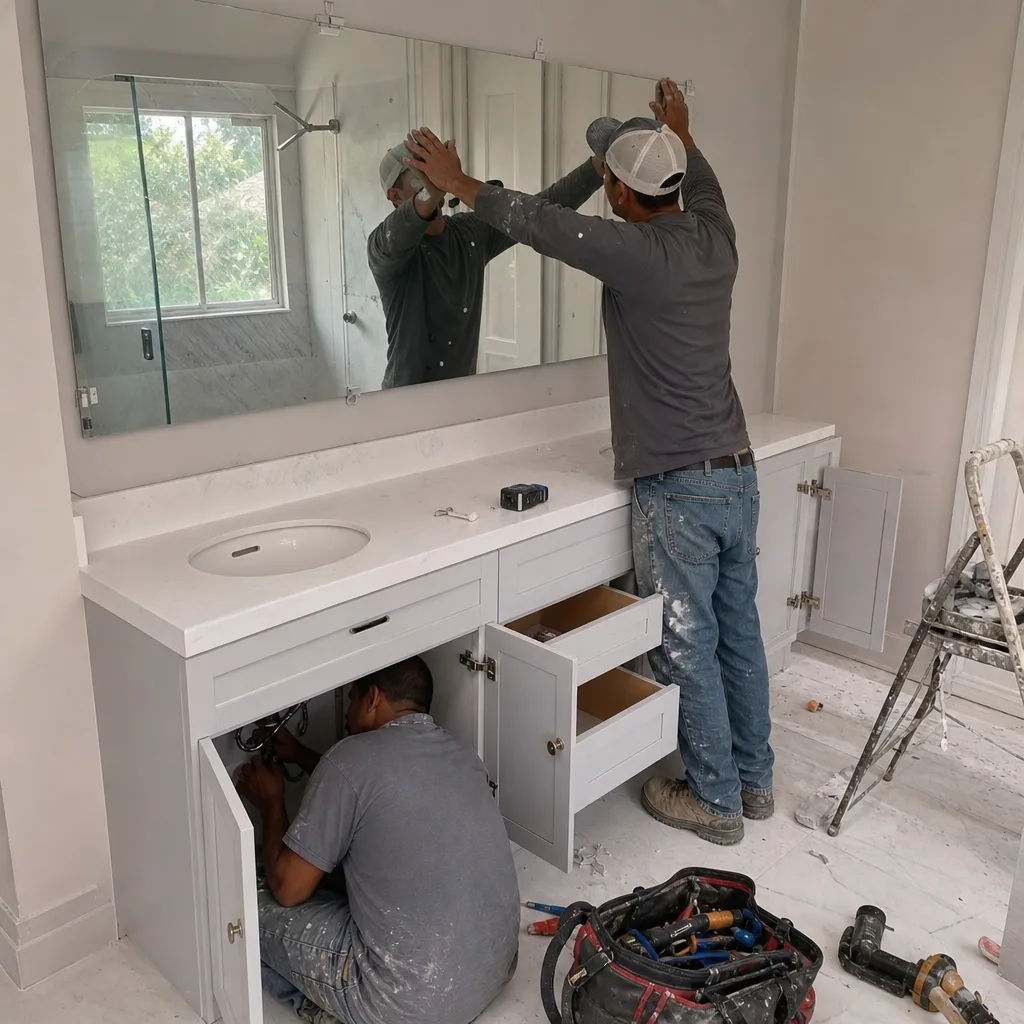
- Waiting for visible interior damage before acting. By the time drywall stains appear in Boca Raton, the water has been entering for weeks or months. The cost difference between April flashing repair and September ceiling replacement is typically 8-12x.
- Pressure-washing stucco or roof shingles. High-pressure water drives moisture into wall cavities and strips granules from asphalt shingles. We use low-pressure chemical cleaning for roofs and soft-wash systems for stucco - documented in the photo record.
- Ignoring swale maintenance because “it looks fine.” In Boca Raton’s flat terrain, a swale with 1 inch of sediment accumulation loses 50% of its flow capacity. Annual scraping and regrading prevents the foundation pooling that leads to slab heave.
- Scheduling exterior paint in May. The humidity spike in late May traps moisture under new paint film. We’ve stripped and repainted numerous Boca Raton homes where May application led to failure by October. November through February only.
- Assuming impact-rated windows don’t need seal maintenance. The impact glass and reinforced frames perform in hurricanes, but the sealant beads at the perimeter are standard materials with 10-15 year service life. They fail from UV and movement, not impact.
- Neglecting attic access after roof work. Any roof penetration - satellite dish, solar panel, new vent - breaks the original seal. Inspect the attic after the first rain following any roof work, even from other contractors.
When to Call a Professional
Some conditions warrant immediate professional evaluation: active water dripping from ceiling or fixtures, sagging drywall or soffits, electrical outlets or switches that feel warm or show discoloration after moisture exposure, or any structural crack that changes width seasonally. These are not maintenance items; they’re safety concerns.
For planned work - roof replacement, window installation, additions, or remodels - the decision point is simpler: call when you’re ready for a written price. Rowan Construction Group Boca Raton offers free estimates in Boca Raton. We’ll inspect, photograph, and deliver a flat written price with scope and warranty before any work starts. Call (754) 254-8065 to schedule.
Frequently Asked Questions
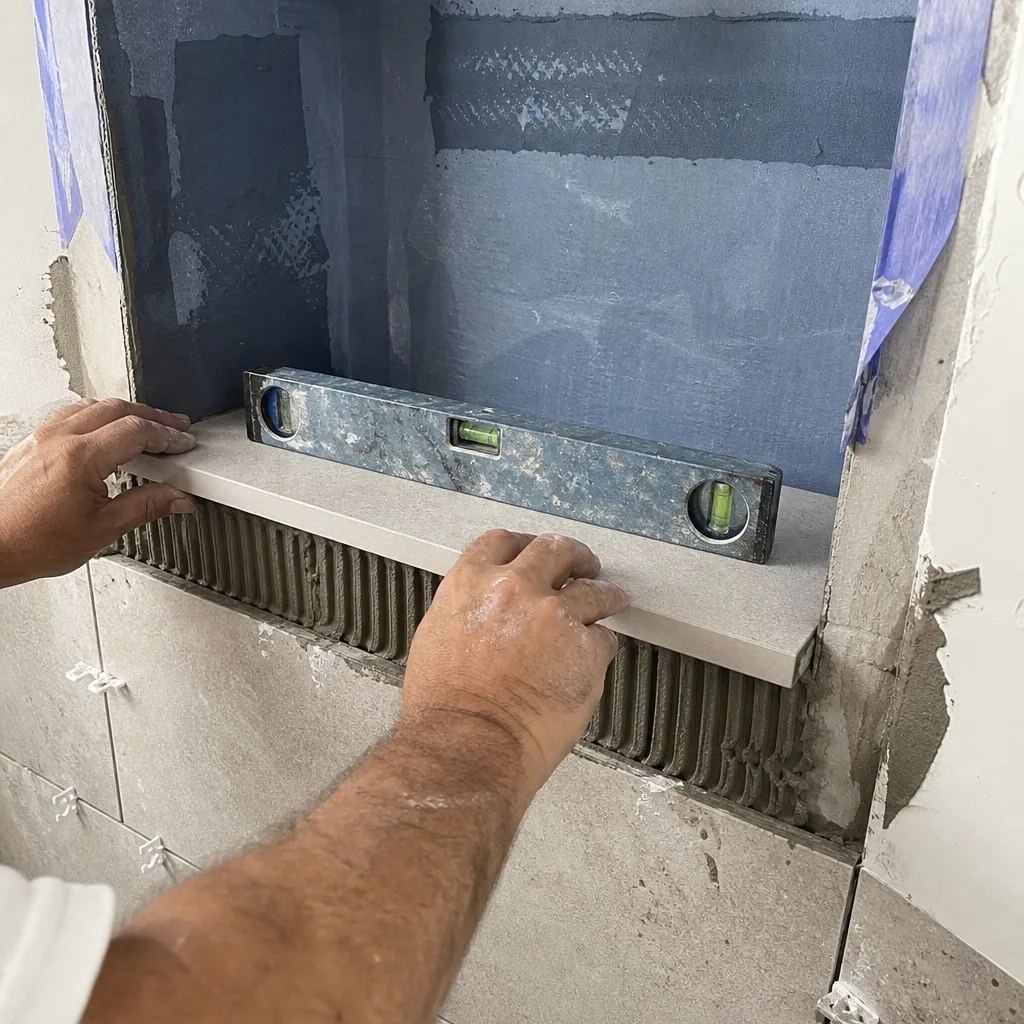
Professional pre-wet-season inspection and basic sealing typically runs $400-$800 for a single-family home, with roof repairs, gutter cleaning, or sealant replacement adding $200-$1,500 depending on scope. We deliver a written line-item quote before any work begins - no estimates that shift once we’re on site. Call (754) 254-8065 for an exact quote; estimates are free.
Yes, for accessible items: gutter condition, window seal continuity, and visible soffit/fascia condition are homeowner-inspectable. Roof flashing, attic moisture, and drainage function require ladders, moisture meters, and experience to interpret. We offer the Free Second Opinion on any written estimate - bring another contractor’s report and we’ll review it line by line at no charge.
No. Under the Haven Standard, no work proceeds on a change until the change order is signed. This is the administrative discipline that has kept our projects within a few percent of the agreed price across 4,000-plus jobs. The price you approve is the price you pay, documented in writing.
Most residential roof replacements take 2-5 working days in dry-season conditions, assuming no decking replacement. Complex rooflines, multiple penetrations, or tile installation extend to 5-10 days. We schedule only in weather windows that protect the work, and we tarp at day’s end until completion. The written scope specifies duration; delays from weather are communicated same-day.
Maintenance - cleaning, sealing, minor repairs - typically does not require permits. Roof replacement, window installation, structural repairs, and additions require permits in Boca Raton and Palm Beach County. We pull all permits and schedule inspections as part of our scope; the permit number and inspection schedule are included in your project documentation.
Interior remodels proceed year-round, but November through April offers advantages: crews aren’t competing with emergency weather repairs, material deliveries are more reliable, and any exterior wall work (window relocation, addition of exhaust vents) happens in optimal conditions. For kitchen remodeling in Boca Raton or bathroom remodeling in Boca Raton, we recommend booking design and permitting 6-8 weeks before your preferred start date.
The Bottom Line
Boca Raton’s two-season climate demands a two-season maintenance strategy. April through May is for prevention: inspect, seal, clear drainage. June through October is for detection: monitor weekly, document monthly, act on changes. November through April is for construction: exterior projects that need dry conditions to cure and perform. Salt-air properties add a corrosion layer that annual inspection manages. The homeowners who follow this calendar avoid the emergency repairs and cost overruns that come from treating a subtropical climate like a temperate one.
Written by Grant Rowan, Owner at Rowan Construction Group Boca Raton, serving Boca Raton since 2007.